
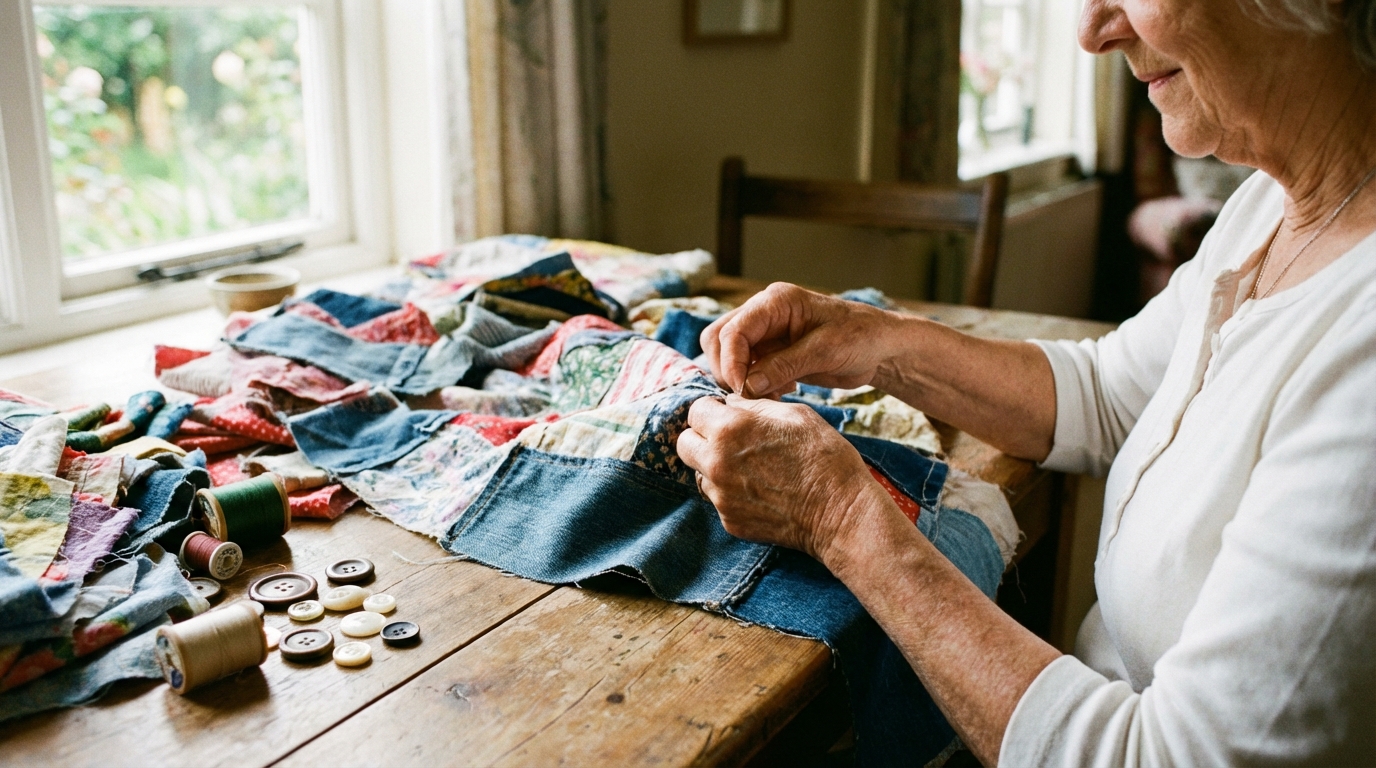
In many homes, useful things quietly move from one purpose to another. A sturdy paper bag becomes a book cover. A chipped bowl holds buttons. A worn shirt turns into cleaning cloths and then into stuffing for a draft stopper. These changes often happen without much thought, guided by habit and a sense that materials still have something to offer. Reusing what is already on hand does more than reduce waste. It invites careful observation, patience, and a kind of creativity rooted in daily life.
Creativity in the home is not always loud or dramatic. It shows up in small decisions made at the kitchen table or workbench, often while tending to ordinary tasks. When materials are reused, creativity becomes practical. It responds to real needs, limited supplies, and the rhythms of the household. This kind of making feels steady and reassuring because it grows out of familiarity rather than novelty.
Seeing Materials for What They Can Become
One of the quiet skills developed through reuse is the ability to see materials beyond their original purpose. This is not imagination in the abstract sense. It is observation guided by touch, weight, and experience. A person learns to notice how thick a piece of cardboard is, how flexible a scrap of fabric feels, or how a jar lid fits in the hand.
This way of seeing develops over time. At first, many items look like waste because they no longer serve their intended role. A cracked plate seems useless once it can no longer hold food. But when handled, its smooth surface and weight suggest something else. It might become a paint palette, a base for candles, or a place to mix glue and sawdust. Creativity begins with noticing these qualities.
Understanding why this works helps make it easier. When materials are familiar, the mind does not have to start from nothing. Instead of asking, “What should be made?” the question becomes, “What does this material do well?” Cardboard folds easily but weakens when wet. Glass is heavy and stable but must be handled carefully. Fabric absorbs and softens. Each quality points toward certain uses and away from others.
Daily Routines That Support Reuse
Creative reuse is most successful when it fits into daily routines rather than interrupting them. Setting aside a regular place for materials allows ideas to develop slowly. A shelf in a closet, a drawer in the kitchen, or a box near a work area can hold items that are likely to be useful later.
The habit of rinsing and drying containers before setting them aside makes a difference. Clean materials invite handling and experimentation. Sticky or dusty items tend to be ignored, even if they have potential. Taking a moment to prepare materials for reuse is a quiet act of care that keeps them from becoming clutter.
Sorting also helps, but it does not need to be elaborate. Grouping by material is usually enough. Paper with paper, fabric with fabric, and small hardware together. Over-sorting can become a burden and discourage use. The goal is to make materials easy to find and pleasant to work with.
Knowing When to Let Go
Not everything needs to be saved. Learning when to let go is part of the same skill set. Materials that are moldy, brittle beyond use, or unsafe should be released without regret. Holding onto items that cannot realistically be used can drain energy and space.
A simple test helps. If an item cannot be imagined in at least one clear use within a few moments of thought, it may not be worth keeping. This does not mean every saved item must have a planned purpose, but there should be a sense of possibility grounded in experience.
How Limits Encourage Thoughtful Making
Reusing materials naturally introduces limits. Sizes are fixed. Colors may not match. Quantities are uneven. These limits are often seen as obstacles, but they are what guide creativity into practical channels.
When materials are limited, choices become more deliberate. A small piece of wood invites careful measuring. A short length of yarn encourages a simple design. This slows the process and encourages planning before action. Mistakes become teachers because materials are not easily replaced.
Understanding why limits help can shift perspective. Without limits, it is easy to overcomplicate a project or abandon it midway. With limits, the focus stays on function and finish. The question becomes how to make something sturdy, useful, and pleasing with what is already there.
Paper and Cardboard: Quietly Versatile
Paper and cardboard are often the first materials reused in the home. Their value lies in how easily they can be cut, folded, layered, and repaired. Old envelopes can become labels or small notepads. Cereal boxes can be turned into drawer dividers or patterns for sewing.
The thickness of cardboard matters. Thin cardboard bends easily and is good for templates or covers. Thicker pieces can be laminated with glue and pressed under weight to create surprisingly strong panels. This technique works because glue, when evenly spread and dried under pressure, bonds fibers together into a single unit.
Paper also responds well to layering. Several sheets glued together can form a firm surface for writing or crafting. Allowing each layer to dry slightly before adding the next prevents warping. Patience here leads to better results.
Fabric Scraps and Worn Textiles
Fabric carries a sense of warmth and familiarity. Even when worn, it often remains useful. Old clothing, linens, and towels can be cut into pieces that serve many purposes. The key is to respect the fabric’s original weave and wear.
Soft cotton absorbs well and is suited for cleaning cloths or reusable wraps. Denim and canvas hold structure and work well for bags or patches. Stretchy fabrics are best used where flexibility is needed, such as covers or ties.
Cutting fabric along its grain prevents excessive fraying. When edges do fray, that quality can be used rather than fought. Frayed edges can add texture to rugs or decorative items. Understanding how fabric behaves when cut and washed helps guide these choices.
Small Repairs as Creative Acts
Repairing fabric is another form of reuse that encourages creativity. A patch does not have to be hidden. When chosen carefully, it can strengthen a weak area and add interest. Matching the weight of the patch to the fabric being repaired prevents pulling and distortion.
Hand stitching slows the process and allows adjustments along the way. This pace encourages attention to detail and reduces mistakes. The act of repair becomes a thoughtful exchange between hands and material.
Wood Pieces and Natural Offcuts
Wood often enters the home as part of furniture, packaging, or small building projects. Offcuts and broken pieces can still be valuable. Their grain, thickness, and hardness determine how they can be reused.
Short lengths of wood are useful for supports, spacers, or simple toys. Sanding rough edges makes them safe and pleasant to handle. The act of sanding also reveals the grain, which can inspire how the piece is used.
Understanding why certain woods behave differently helps avoid frustration. Softer woods dent easily but are easier to shape. Harder woods hold detail but require sharper tools and more patience. Matching the task to the wood saves effort.
Glass and Metal: Stable and Lasting
Glass jars and metal tins are often reused because they are durable and easy to clean. Their weight and stability make them good for storage and organization. They also respond well to simple adaptations.
A jar can become a holder for tools, pencils, or kitchen utensils. Adding a weight to the bottom, such as stones or sand, increases stability. This works because the center of gravity is lowered, making tipping less likely.
Metal tins can be punched with holes to create lanterns or organizers. Knowing how to work metal safely is important. Using the right tools and taking time prevents sharp edges. This care ensures the finished item is both useful and safe.
Kitchen Scraps in Handcraft
Some materials come from daily cooking rather than stored supplies. Citrus peels, eggshells, and paper packaging can all be used creatively. These materials are often overlooked because they are associated with waste.
Dried citrus peels can be used for simple decorations or infused in cleaning mixtures. Eggshells, when washed and crushed, add texture to craft surfaces. Their calcium content makes them brittle but bright, which is useful for mosaic-like effects.
Understanding the limits of these materials is important. They are best used in dry conditions and sealed if necessary. This knowledge prevents disappointment and encourages thoughtful use.
Learning Through Making and Mistakes
Reusing materials encourages a gentle relationship with mistakes. When materials are familiar and low-cost, there is less fear in trying something new. A project that does not work can often be taken apart and tried again.
Each mistake teaches something specific. Glue that did not hold suggests a need for more pressure or drying time. A fabric that stretched out of shape suggests the wrong orientation. These lessons are remembered because they are tied to physical experience.
This kind of learning builds confidence quietly. Over time, hands learn what works without needing constant reference. Creativity becomes steady rather than forced.
Seasonal Rhythms and Reuse
Different times of year bring different materials and needs. Paying attention to these rhythms helps reuse feel natural. In colder months, heavier fabrics and paper crafts often take precedence. In warmer months, lighter materials and outdoor projects become more appealing.
Saving materials with seasons in mind prevents overload. Storing seed packets, twine, and small containers together prepares for planting time. Setting aside fabric and batting supports indoor projects when days are shorter.
This alignment with seasons reduces pressure to create constantly. Creativity ebbs and flows, and reuse fits best when it follows these natural changes.
Safety, Cleanliness, and Care
Reusing materials requires attention to safety and cleanliness. This care is part of the practice, not a separate concern. Washing hands after handling certain materials, smoothing sharp edges, and storing items properly prevent problems later.
Understanding why safety matters helps maintain habits. A small cut or splinter can interrupt work and discourage future projects. Taking time to prepare materials creates a sense of ease that supports creativity.
Clean work surfaces and tools also matter. They allow focus to remain on the task rather than on managing mess. This calm environment supports thoughtful making.
How Reuse Shapes the Home
Over time, a home shaped by reuse develops a particular character. Objects carry stories of their previous lives, even if those stories are simple. A box lined with fabric, a shelf made from reclaimed wood, or a jar repurposed for tools all reflect care and attention.
This environment encourages creativity without pressure. Materials are close at hand. Solutions feel within reach. The home becomes a place where making and mending are part of daily life rather than special events.
In this setting, creativity is not separate from routine. It is woven into ordinary actions, guided by common sense and patience. Reusing materials becomes a quiet conversation between need, habit, and imagination, carried out one small project at a time.