
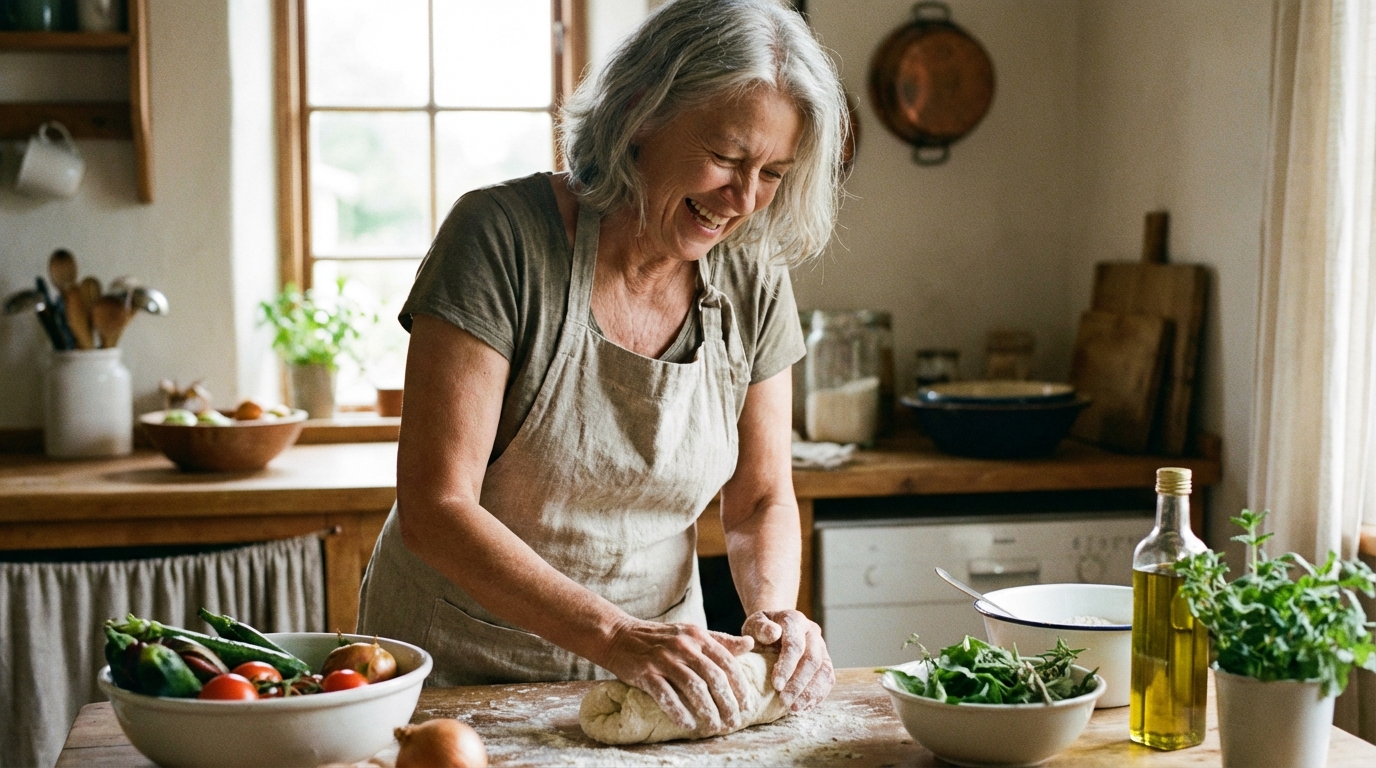
A good meal does not begin with a long list. It begins with a few dependable ingredients and the patience to let them do their work. Many kitchens have always relied on what is close at hand, prepared with care and attention. Richness in food is not about luxury or excess. It is about depth, comfort, and the feeling that the meal was worth the time it took to make.
Simple ingredients have a way of showing their value when treated well. A pot of beans, a loaf of bread, a handful of vegetables, or a piece of meat can become deeply satisfying when the cooking respects how food changes with heat, time, and seasoning. This kind of cooking is steady and calm. It fits easily into daily life and rewards consistency.
Understanding What Makes Food Feel Rich
Richness is often mistaken for heaviness. In a home kitchen, richness usually means fullness of flavor and a sense of care. A dish can be light and still feel rich if it is balanced and thoughtfully prepared. The mouth notices warmth, texture, and seasoning working together.
Several things contribute to this feeling:
- Flavor that builds slowly instead of all at once
- Textures that contrast but do not fight each other
- Seasoning that supports the main ingredient rather than covering it
- Enough time for ingredients to soften, brown, or blend
Simple ingredients respond especially well to these conditions. They do not distract from one another, so small changes in method make a big difference.
The Pantry as a Quiet Foundation
A reliable pantry does not need variety for its own sake. It needs a few items that can be used often and in different ways. Dry beans, rice, flour, oil, vinegar, onions, garlic, and salt form the backbone of countless meals. When these are fresh and stored properly, they offer more than convenience.
Dry beans, for example, are often rushed. When soaked and cooked slowly, they release starch into the cooking liquid. This thickens the broth and gives it a smooth feel without adding anything extra. Salt added at the right time helps the beans soften evenly and absorb flavor.
Flour is more than a baking ingredient. A small spoon stirred into warm fat becomes the base of sauces and gravies. Cooked just long enough, it loses its raw taste and takes on a gentle nutty note. This is how simple drippings turn into something that coats the back of a spoon.
Keeping Ingredients Ready
Ingredients work best when they are ready to use. This does not mean constant preparation, but a steady habit of care.
- Onions stored in a cool, dry place last longer and cook more evenly.
- Oil kept away from heat and light stays clean-tasting.
- Flour sealed tightly avoids stale flavors.
When ingredients are treated well before cooking, they reward the effort later.
The Quiet Power of Heat
Heat changes food in stages. Learning to recognize these stages makes simple ingredients feel generous. Low heat softens and sweetens. Moderate heat cooks through. High heat browns and deepens flavor.
Consider onions. Cooked slowly over low heat, they release moisture and soften. Their sharpness fades. Given more time, their natural sugars begin to brown. This browning adds depth that cannot be rushed. If the heat is too high, the onions burn before they sweeten, leaving bitterness instead of warmth.
This same idea applies to many foods:
- Meat browns best when the pan is hot and not crowded.
- Vegetables soften evenly when heat is steady, not rushed.
- Grains cook through without breaking when simmered gently.
Rich meals often come from respecting these stages instead of pushing past them.
Time as an Ingredient
Time is often left out of ingredient lists, yet it shapes the final result as much as anything else. Some foods need time to absorb liquid. Others need time to release flavor into a pot.
Soups and stews improve as they sit. This is not because they are hotter or fresher, but because the ingredients have had time to share their flavors. Starches thicken the liquid. Fats carry aromas throughout the dish. Seasoning spreads more evenly.
Not every meal needs long cooking, but many benefit from a short rest:
- Roasted vegetables taste fuller after a few minutes out of the oven.
- Cooked grains settle and firm up when allowed to rest before serving.
- Meat stays juicier when sliced after resting.
Allowing this pause makes simple foods feel finished rather than hurried.
Layering Flavor Without Excess
Layering flavor does not mean adding many ingredients. It means adding ingredients at the right times. Salt added early seasons the inside of food. Salt added at the end brightens the surface.
Fat carries flavor. A small amount added at the beginning helps vegetables soften and release aroma. A small amount added at the end gives a smooth finish. This could be a spoon of oil, a bit of butter, or rendered fat saved from earlier cooking.
Acid, used carefully, keeps food from tasting flat. A splash of vinegar or a squeeze of citrus at the end wakes up flavors that are already there. Too much acid overwhelms. Too little leaves food heavy.
The order matters:
- Start with fat to soften and warm ingredients.
- Add salt early to season deeply.
- Finish with a touch of acid for balance.
This quiet layering builds richness without weight.
Water and Broth: Often Overlooked
Water is an ingredient that deserves attention. Cold water draws flavor slowly. Hot water speeds things along. The choice affects the result.
When making soups or cooking grains, starting with cold water allows flavors to move into the liquid gradually. This works well for beans and bones. Starting with hot water keeps flavors brighter, which suits vegetables.
Broth made from simple scraps can feel surprisingly complete. Onion skins, carrot ends, celery leaves, and a bit of salt simmered gently create a base that supports many meals. The key is not to boil hard. Gentle heat keeps the broth clear and clean-tasting.
Broth becomes rich not from strength alone, but from balance. Too much of any one ingredient can overpower. Restraint keeps it useful.
The Role of Starches
Starches give meals their comforting quality. They fill space on the plate and in the stomach, but they also shape texture.
Potatoes, rice, pasta, and bread absorb flavors around them. They soften sharp notes and carry sauces. Cooking them properly makes a noticeable difference.
Potatoes cooked in well-salted water absorb seasoning as they soften. Added to a stew, they release starch that thickens the liquid. Mashed with a bit of warm fat, they become smooth without needing much else.
Rice rinsed before cooking sheds excess starch, resulting in separate grains. Rice cooked without rinsing becomes creamier, which suits certain dishes. Knowing when to rinse and when not to helps match texture to purpose.
Bread, even when stale, has value. Toasted slowly, it develops flavor and crunch. Soaked in broth, it thickens soups and sauces. Nothing is wasted when the role of starch is understood.
Vegetables Treated with Care
Vegetables often suffer from haste. Overcooked, they lose texture and taste. Undercooked, they remain harsh. Simple vegetables reward steady attention.
Root vegetables benefit from even cuts. This ensures they cook at the same rate. Crowding the pan leads to steaming instead of browning. Giving space allows edges to caramelize, adding sweetness.
Greens need heat but not too much time. A hot pan and a small amount of fat wilt them quickly while keeping color and flavor. Salt added early helps them soften evenly.
Vegetables feel richer when their natural qualities are highlighted rather than hidden. A carrot tastes more like itself when roasted with oil and salt than when buried under heavy sauce.
Meat as a Supporting Player
Meat does not need to be the center of the plate to add richness. Used in smaller amounts, it flavors the whole dish.
Bone-in cuts release gelatin as they cook slowly. This gives sauces and broths a silky texture. Even a small piece can change the feel of a pot.
Browning meat before adding liquid creates depth. The browned bits left in the pan dissolve into the cooking liquid, adding flavor that cannot be replaced later.
Lean cuts benefit from gentle cooking. Tough cuts need time. Understanding which is which prevents dryness and waste.
When meat is treated as one part of a larger whole, simple ingredients stretch further and taste fuller.
Using Leftovers with Intention
Leftovers are not an afterthought. They are ingredients already partly prepared. When used thoughtfully, they deepen future meals.
Cooked vegetables can be chopped and added to soups, grains, or eggs. Their softened texture blends easily. Cooked grains can be fried gently to create crisp edges and new flavor.
Meat scraps add body to sauces and fillings. Bones become broth. Even cooking liquids can be reused as a base.
The key is to store leftovers properly and use them within a few days. Flavor fades when food is left too long. Fresh additions help bring life back.
Simple Tools, Well Used
Rich meals do not require many tools. A few dependable items used well make cooking smoother.
- A heavy pot holds heat and cooks evenly.
- A sharp knife makes clean cuts that cook evenly.
- A wooden spoon stirs without scraping away flavor.
Knowing how to use these tools matters more than owning many. A heavy pot prevents scorching during long cooking. A sharp knife respects the ingredient.
Care for tools extends their usefulness. Clean them promptly. Dry them well. Store them where they are easy to reach. Ease encourages regular use.
Common Missteps That Flatten Flavor
Even simple cooking has its pitfalls. Recognizing them helps avoid disappointment.
Overcrowding pans leads to steaming instead of browning. Food releases moisture and cools the pan. Patience and space solve this.
Underseasoning early leaves food bland inside. Seasoning can be adjusted later, but it cannot always reach the center.
Rushing cooking time prevents flavors from developing. Turning up the heat rarely fixes this. It often creates bitterness.
Ignoring texture leads to meals that feel unfinished. A dish that is soft throughout benefits from something crisp or firm.
Building a Habit of Calm Cooking
Rich meals come from steady habits more than special occasions. Cooking at the same pace most days builds confidence.
Setting aside time to chop carefully, to taste as food cooks, and to clean as one goes keeps the process manageable. These small routines reduce strain and make cooking feel like part of daily life rather than a task.
When the kitchen feels calm, simple ingredients shine. The food reflects the care given to it. This kind of cooking sustains both body and home, one steady meal at a time.