
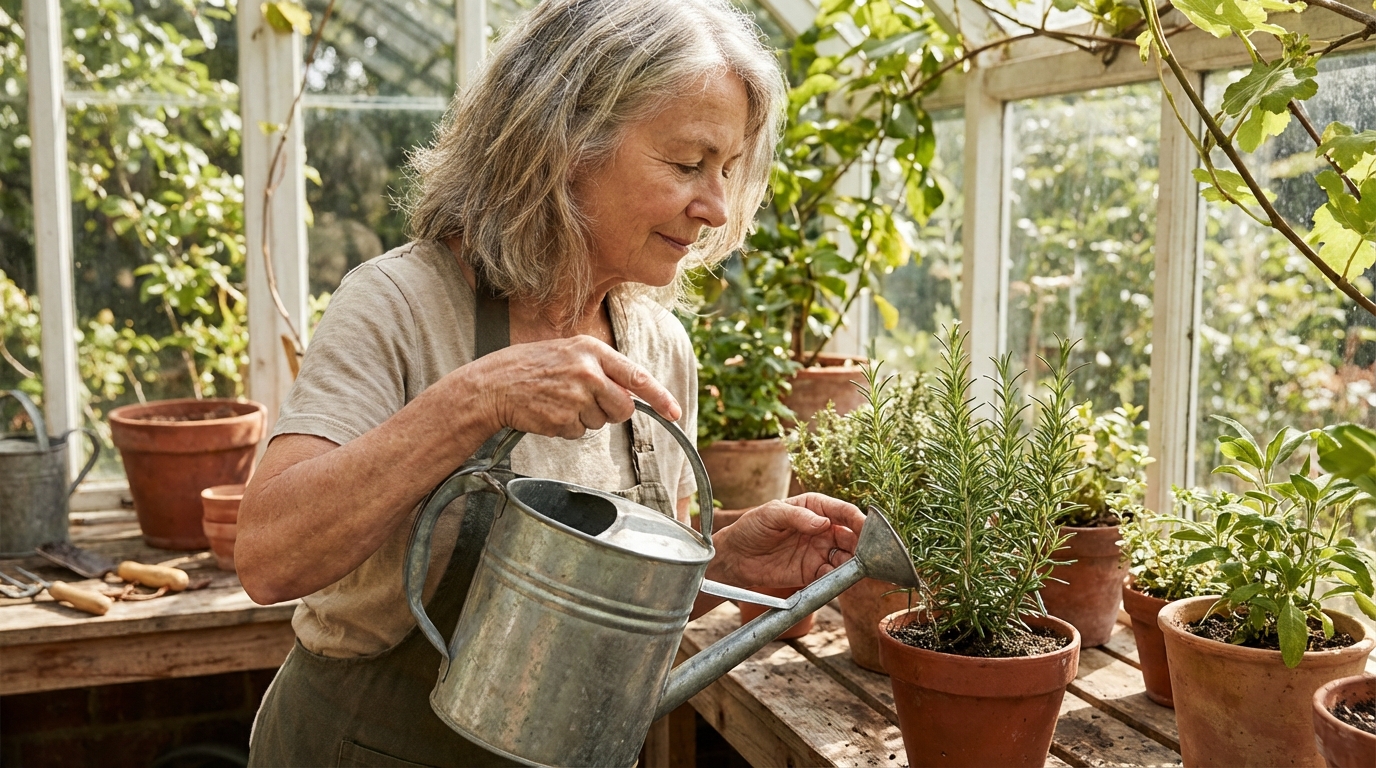
There is something quietly grounding about stepping outside to tend a small patch of earth. It does not need to be large or impressive. It might be a few pots by the door, a narrow strip along a fence, or a single bed that catches the morning light. The meaning comes not from size or show, but from the steady care given over time. Small garden tasks, repeated with patience, have a way of shaping the day and settling the mind.
Outdoor care often fits naturally into daily life. It happens between other responsibilities, during a pause in the afternoon, or at the edge of morning before the house fully wakes. These moments are rarely rushed. They are shaped by observation, touch, and attention. Over time, they become familiar routines that offer calm without demanding it.
The Quiet Structure of Daily Garden Care
Gardens respond best to regular, gentle attention. Unlike larger projects that demand long stretches of effort, small tasks can be done in short windows. This creates a natural structure without pressure. A few minutes spent checking soil moisture or removing a handful of weeds can be enough to keep things healthy.
What makes these tasks meaningful is their rhythm. Plants change slowly, so daily care encourages patience. There is no instant result, but there is steady feedback. Leaves lift after watering. Soil darkens when it has absorbed enough moisture. These signs reward attention rather than speed.
Small tasks also encourage consistency. When care is manageable, it is easier to return day after day. This regular contact builds familiarity. Over time, it becomes easier to notice when something is slightly off, such as a plant leaning differently or soil drying faster than usual. These small observations are the foundation of good garden care.
Why Short, Frequent Attention Works
Plants use water, light, and nutrients in small, steady amounts. Giving them care in similar portions helps prevent stress. For example, light watering more often allows roots to grow evenly through the soil instead of staying near the surface. This leads to stronger plants that handle heat and wind better.
Short visits also reduce the chance of problems going unnoticed. A pest issue caught early can often be managed by removing affected leaves or rinsing plants with water. Waiting too long can allow damage to spread, making the solution more disruptive.
Observing Before Acting
One of the most meaningful habits in outdoor care is learning to pause before doing anything. Observation is a skill that develops over time. It involves looking closely at leaves, stems, soil, and even the space between plants.
Before watering, it helps to touch the soil a few inches below the surface. Soil can look dry on top while still holding moisture underneath. Watering without checking can lead to soggy roots, which limits oxygen and encourages decay.
Observation also applies to growth patterns. Some plants naturally droop in the heat of the day and recover in the evening. This does not always mean they need water. Learning these patterns prevents unnecessary interventions that can do more harm than good.
Noticing Small Changes
Small changes often signal larger needs. Yellowing leaves near the base of a plant may suggest nutrient use rather than disease. New growth that looks pale can indicate limited light. These signs are easier to read when time is spent regularly looking, not just acting.
This habit of noticing carries a calming effect. It slows the pace and shifts focus away from quick results. The garden becomes a place of attention rather than effort.
Weeding as a Thoughtful Routine
Weeding is often seen as a chore, but in small amounts, it can be one of the most grounding garden tasks. Pulling a few weeds each day keeps them from spreading and prevents the work from becoming overwhelming.
Weeds compete with plants for water and nutrients. Removing them early reduces stress on desired plants. It also keeps roots shallow and easier to remove. Waiting too long allows weeds to establish deeper roots, making removal harder and more disruptive to surrounding soil.
Hand weeding encourages close contact with the soil. It allows the texture and moisture level to be felt directly. This information helps guide other care decisions, such as when to water or mulch.
Choosing the Right Moment
Weeding is easiest when soil is slightly moist. After a light rain or gentle watering, roots slide out more cleanly. Dry soil often causes roots to break, allowing weeds to return quickly.
Spending just five minutes on weeding during these moments keeps the garden manageable. The task becomes less about clearing everything and more about maintaining balance.
The Role of Watering in Daily Life
Watering is one of the most common garden tasks, yet it is often misunderstood. More water does not always mean better growth. The goal is to support roots, not overwhelm them.
Watering deeply but less frequently encourages roots to grow downward. This helps plants access moisture during dry periods and makes them more resilient. Light, frequent watering can keep roots near the surface, where they dry out quickly.
Time of day matters as well. Watering early allows moisture to soak in before heat increases evaporation. It also gives leaves time to dry, reducing the chance of fungal issues.
Listening to the Garden’s Needs
Different areas of a garden hold moisture differently. Shaded spots retain water longer, while areas near walls or pavement dry out faster. Paying attention to these differences prevents a one-size approach.
Containers need more frequent checks than in-ground beds. Their soil volume is limited, and temperature changes affect them quickly. Lifting a pot slightly can reveal its moisture level. Heavier pots usually indicate sufficient water.
Pruning as Gentle Guidance
Pruning is less about cutting and more about guiding growth. Small, thoughtful cuts help plants direct energy where it is most useful. Removing damaged or crowded stems improves air flow and light access.
Regular, light pruning is easier on plants than heavy cutting done all at once. It allows them to adjust gradually. This approach also reduces stress, which can slow growth or reduce flowering.
Using clean, sharp tools is essential. Dull blades crush stems instead of cutting cleanly, which creates wounds that heal slowly. Cleaning tools between plants prevents the spread of disease.
Understanding When to Prune
Some plants benefit from pruning after flowering, while others prefer early-season shaping. Observing growth cycles helps determine the right timing. Cutting at the wrong time can reduce blooms or slow recovery.
Small, regular adjustments allow the gardener to learn these patterns naturally, without memorizing complex schedules.
Soil Care as a Foundation
Healthy soil supports every other garden task. Small actions, such as adding compost or gently loosening the surface, improve structure and nutrient availability.
Soil compacts over time from rain and foot traffic. Lightly loosening the top layer allows air and water to reach roots more easily. This can be done with a hand tool during short visits.
Adding organic matter improves moisture retention and provides slow-release nutrients. A thin layer added seasonally is often enough to maintain balance.
Mulching with Intention
Mulch protects soil from temperature extremes and reduces evaporation. It also limits weed growth by blocking light.
Applying mulch too thickly can trap moisture against stems, leading to rot. A modest layer, kept slightly away from plant bases, offers protection without risk.
Seasonal Transitions and Small Adjustments
Gardens change with the seasons, and small tasks help ease these transitions. In cooler months, removing spent plants and tidying beds prepares the soil for rest. In warmer months, shading delicate plants or adjusting watering routines supports growth.
Seasonal care does not need to be done all at once. Spreading tasks over several days prevents fatigue and allows time to observe how changes affect the garden.
Preparing Without Rushing
Gradual preparation helps plants adjust. For example, reducing watering slowly as temperatures cool allows roots to adapt. Sudden changes can stress plants and slow their ability to settle into the new season.
Containers and Small Spaces
Even the smallest outdoor spaces benefit from regular care. Containers, window boxes, and narrow beds offer the same opportunities for routine and attention.
Because these spaces are limited, small tasks have a noticeable impact. Replacing soil in part of a container, adjusting plant placement, or refreshing mulch can change how the space feels and functions.
These areas also respond quickly to care, which can be encouraging. A well-timed watering or feeding often shows results within days.
Balancing Attention and Simplicity
It is easy to over-care for small spaces. Too much fertilizer or constant moving of plants can cause stress. Simple, steady routines work best.
Allowing plants time to settle before making changes helps avoid unnecessary adjustments.
The Emotional Steadiness of Small Tasks
Beyond physical results, small garden tasks offer emotional steadiness. They provide a reason to step outside, notice the weather, and engage with something living.
These tasks do not demand perfection. Missed days can be picked up without consequence. This flexibility makes them supportive rather than demanding.
Over time, the garden reflects the care given. Not in dramatic displays, but in quiet health. Leaves appear fuller. Soil holds moisture better. The space feels settled.
Letting the Garden Set the Pace
Perhaps the most meaningful aspect of small garden tasks is how they encourage a slower pace. Plants grow at their own speed. Trying to force results rarely works.
By returning regularly for brief moments of care, the garden becomes part of daily life rather than a project to be completed. This relationship builds patience and respect for natural rhythms.
Meaning grows from this steady attention. Not through effort alone, but through presence. Each small task adds to a larger pattern of care that supports both the garden and the person tending it.