
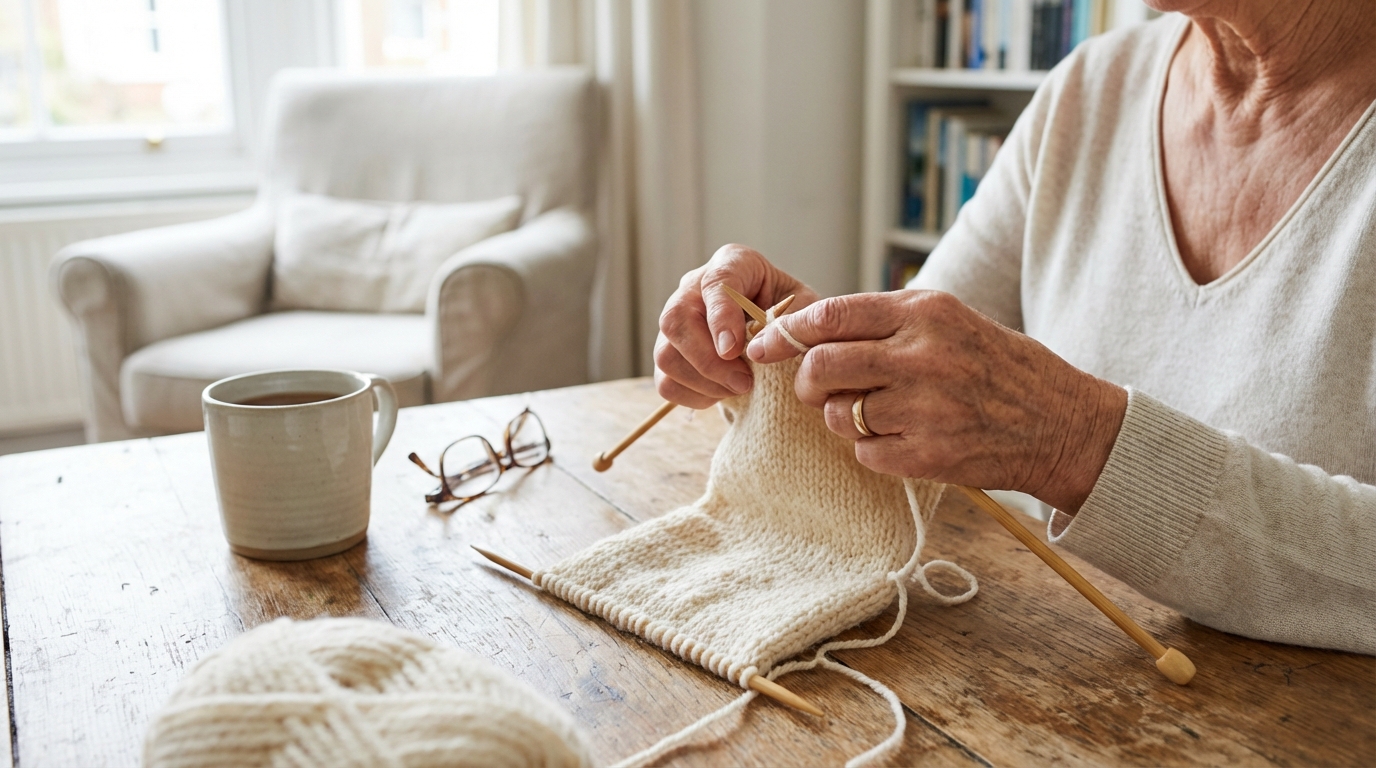
Craft work has a quiet way of settling into daily life. A small project can fill a corner of an afternoon, while a larger one may stretch across weeks, waiting patiently between other duties. Keeping these projects manageable is less about limiting creativity and more about protecting the steady enjoyment that makes handcraft a comfort rather than a burden. When a project fits well into ordinary routines, it supports calm focus instead of creating pressure.
Understanding What “Manageable” Really Means
A manageable craft project is one that fits the hands, the home, and the rhythm of the day. It does not demand constant attention or perfect conditions. It waits politely when set aside and welcomes return without confusion. This kind of project respects time limits, storage space, and energy levels.
Manageability is not about skill alone. Even a simple project can become difficult if it requires long, uninterrupted hours or special tools that must be unpacked and repacked each time. On the other hand, a complex project can feel manageable if it is broken into clear stages that can be completed in short sessions.
Thinking this way helps prevent the quiet frustration that comes from projects that never seem to move forward. Frustration often grows not from the work itself, but from the feeling that progress is unclear or constantly interrupted.
Choosing Projects That Fit Real Life
The first step toward manageable craft work happens before any materials are gathered. It begins with choosing a project that fits the current season of life, not an imagined one with more time or energy. This requires an honest look at daily routines.
A project that requires careful measuring, frequent checking, or long drying times may not suit a household with many interruptions. In such cases, projects with forgiving steps and flexible timing tend to fare better. For example, hand stitching that can be paused at any point is often easier to manage than tasks that must be completed in one sitting.
It also helps to consider where the project will live while it is in progress. If a table must be cleared each evening, a project that packs away neatly into a basket or box will be less stressful than one spread across many surfaces.
Matching Project Size to Available Time
Time is not just counted in hours but in attention. A project that needs deep concentration may require quieter moments, while simpler work can fill small gaps in the day. Matching the project to the kind of time available prevents half-finished steps that are hard to pick up later.
Short projects often provide a sense of completion that builds confidence. Longer projects can be satisfying too, but they benefit from clear milestones. Dividing a large piece into sections gives regular moments of progress, which helps maintain interest.
Reading Instructions With Care
Many projects become unmanageable because instructions are skimmed rather than studied. Taking time to read through the entire set of steps before starting can reveal hidden challenges. This includes noticing where special tools are needed, where measurements must be precise, or where waiting time is required.
Understanding the order of steps also prevents backtracking. Some crafts require early decisions that cannot be easily changed later. Knowing this in advance allows thoughtful choices instead of rushed ones.
It can be helpful to rewrite complex instructions in simpler terms or to make small notes in the margin. This personal translation makes the process feel familiar and reduces hesitation during work.
Noticing the Quiet Warnings in Instructions
Instructions often hint at difficulty without stating it directly. Phrases like take care, gently, or ensure accuracy usually signal steps that deserve extra attention. Treating these moments with patience can prevent mistakes that are difficult to fix later.
Ignoring these cues often leads to frustration, especially when the error does not appear until several steps later. Slowing down at these points keeps the project on steady ground.
Gathering Materials With Intention
Having the right materials on hand supports smooth progress. This does not mean buying the most expensive supplies, but choosing ones that suit the project’s needs. For example, using thread that is too thick or thin can change how a finished piece behaves, even if it looks acceptable at first.
It also helps to gather all materials before beginning. Pausing mid-project to search for a missing item can break focus and reduce motivation. If something must be substituted, it is better to decide this early rather than halfway through.
Storing materials together in a dedicated container keeps them from being scattered or misplaced. This simple habit saves time and reduces the mental effort needed to resume work.
Understanding Why Materials Matter
Materials behave differently under stress, wear, and time. Fabric may stretch, yarn may pill, wood may warp. Knowing these tendencies helps in choosing materials that forgive small mistakes. For example, slightly textured fabric can hide uneven stitches better than very smooth fabric.
Choosing forgiving materials is especially helpful for projects meant for everyday use, where durability matters more than perfection.
Setting Up a Calm Work Space
A manageable project benefits from a consistent place to work. This space does not need to be large or permanent, but it should support comfort and order. Good light reduces eye strain and prevents small errors. A supportive chair helps maintain focus without physical discomfort.
Keeping only necessary tools within reach reduces clutter and distraction. When tools are returned to the same place each time, starting and stopping work becomes easier.
Even a small ritual, such as laying out tools in the same order, signals the mind that it is time for careful work. This gentle routine helps settle attention.
Knowing When the Space Is Not Working
If a project feels unusually tiring or irritating, the work space may be part of the problem. Poor lighting can make simple tasks feel difficult. Crowded surfaces can lead to misplaced tools and small accidents.
Adjusting the space, even slightly, often restores ease. This might mean moving closer to a window, clearing a small area, or adding a cushion for support.
Breaking Work Into Natural Stopping Points
One of the most helpful habits in craft work is learning where to pause. Stopping at a natural break, such as the end of a row or section, makes it easier to resume later. Stopping mid-step often creates confusion and hesitation.
Marking the stopping point with a small note or pin can save time. This is especially useful for projects that are set aside for several days.
Knowing when to stop also prevents fatigue. Tired hands and eyes are more likely to make mistakes, which can turn a pleasant activity into a source of stress.
Why Pausing Matters
Pausing allows the work to rest, but it also allows the maker to return with fresh attention. Small flaws often become visible after a break, when the eye is no longer accustomed to the pattern.
This pause is not a failure to continue but a quiet part of the process that supports better results.
Managing Expectations and Accepting Imperfection
Unrealistic expectations can make any project feel unmanageable. Expecting perfect results from the first attempt places unnecessary pressure on the work. Craft skills grow through repetition and correction, not instant success.
Accepting small imperfections allows progress to continue. Many handmade items carry subtle irregularities that add character and warmth. These details often go unnoticed by others but can become a source of undue concern for the maker.
Learning which imperfections affect function and which are purely visual helps decide when to correct and when to move on.
Knowing When to Fix and When to Leave
If a flaw weakens the structure or use of the item, it is worth addressing. Loose seams, uneven tension, or weak joints may cause problems later. Visual quirks that do not affect use can often be left alone.
This judgment improves with experience, but thoughtful observation helps from the beginning.
Keeping Projects From Piling Up
Starting many projects at once can scatter attention and create a sense of unfinished business. Limiting the number of active projects helps maintain focus and enjoyment.
One helpful approach is to keep one primary project and one smaller, portable one. This allows choice without overload. Finishing a project before starting a new one builds a steady rhythm of completion.
Storing unfinished projects out of sight can reduce the feeling of clutter. Clear labeling helps remember what each project needs when it is time to return.
Understanding the Weight of Unfinished Work
Unfinished projects can quietly weigh on the mind, even when not actively worked on. This weight often comes from uncertainty about next steps. Clear notes and organized materials reduce this burden.
Sometimes a project remains unfinished because it no longer suits current needs or interests. Allowing such projects to be set aside permanently can free space and attention for work that feels more fitting.
Working With the Natural Rhythm of the Year
Certain crafts suit certain times of year. Heavier work may feel easier during quieter months, while lighter tasks fit well into busier seasons. Paying attention to this rhythm helps projects move forward with less resistance.
For example, tasks requiring warmth and comfort may be more inviting during colder periods, while detailed work that needs good daylight fits brighter months.
Aligning projects with seasonal energy reduces the feeling of pushing against circumstances.
Storing Projects Between Seasons
When a project is meant to pause for a season, storing it carefully preserves both materials and motivation. Keeping everything together, clean, and protected ensures an easy return.
A brief note describing the next step can be helpful months later, when details have faded.
Learning From Small Mistakes
Mistakes are a quiet teacher in handcraft. Small errors reveal how materials behave and how instructions translate into real work. Treating these moments with curiosity rather than frustration keeps learning gentle.
Undoing a small section to correct an error often saves time in the long run. Allowing a mistake to remain may cause larger problems later.
Knowing how to undo work safely is as important as knowing how to do it. Practicing this skill builds confidence.
When Mistakes Signal a Larger Issue
If the same mistake repeats, it may point to a deeper problem, such as unclear instructions or unsuitable materials. Pausing to reassess can prevent ongoing frustration.
Sometimes the project itself needs adjustment. Making small changes early can restore manageability.
Keeping Simple Records
Notes taken during a project can be a valuable resource. Recording measurements, adjustments, or material choices helps if the project is repeated or resumed later.
These records do not need to be detailed. A few clear points are often enough to prevent confusion.
Keeping notes with the project ensures they are available when needed.
Why Memory Alone Is Not Enough
Details that seem obvious during work can fade quickly. Relying on memory alone often leads to rework or uncertainty. Written notes provide reassurance and clarity.
This habit supports confidence, especially for longer projects.
Allowing Projects to Serve Their Purpose
Craft work often carries an intended use, whether practical or decorative. Keeping this purpose in mind guides decisions throughout the process. Overworking a piece meant for daily use can be unnecessary, while underworking a piece meant to last may lead to disappointment.
Balancing effort with purpose keeps the project grounded. This balance supports satisfaction with the finished work.
When a project fulfills its role, even with small imperfections, it has done its job well.