
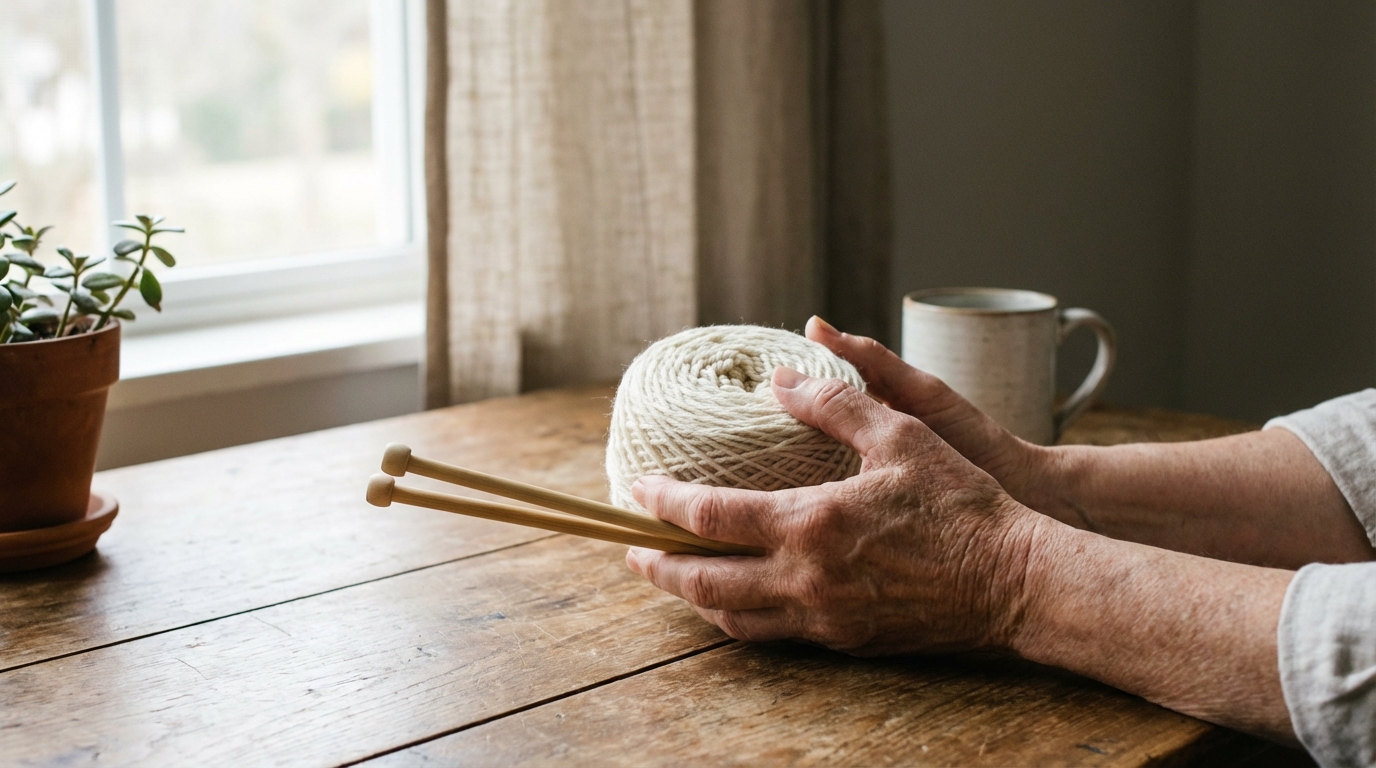
A craft space does not need to be large or impressive to be useful. It only needs to be steady, familiar, and easy to return to. When supplies are kept simple and within reach, the hands can get to work without delay. The mind stays calmer. The work moves forward at its own pace.
Many homes have seen craft areas slowly grow crowded over time. A new tool here, a bundle of materials there, all saved for a future project that felt important at the moment. Nothing is wrong with wanting options. Trouble starts when options become obstacles. Too much choice can weigh down even the most eager afternoon.
Keeping a craft space simple is not about having less for the sake of less. It is about choosing what earns its place, caring for it properly, and allowing the work itself to lead. Simplicity makes room for patience, attention, and the quiet satisfaction that comes from steady hands doing familiar tasks.
Why Fewer Supplies Often Lead to Better Work
When supplies are limited, decisions become easier. Instead of sorting through drawers or boxes, the hands know where to reach. The eyes recognize what is available. This saves small bits of energy that add up over time.
Creativity does not usually struggle because of a lack of tools. It struggles because of distraction. A crowded table asks too many questions at once. Which thread? Which paper? Which paint? The mind starts planning instead of making.
With fewer supplies:
- Projects begin faster because setup takes less time.
- Mistakes feel smaller because materials are familiar.
- Attention stays on the process instead of the tools.
Simple spaces support steady work. They reduce the start-and-stop feeling that often comes from hunting for the right item or second-guessing a choice. This steadiness matters more than variety.
Understanding the Difference Between Useful and Possible
Many supplies are kept not because they are used, but because they might be used someday. This difference matters. Useful items earn their place by being reached for regularly. Possible items wait quietly, taking up space and attention.
It helps to look at a craft space and ask a gentle question: Which items actually support the work done here, week after week? Not which ones could be useful in a different season or for a different project, but which ones truly belong.
Possible items often share certain traits:
- They require special conditions to use properly.
- They do not match the scale of usual projects.
- They are duplicates of tools that already work well.
Letting go of these items does not limit creativity. It narrows the field so the work at hand feels clearer and more approachable.
Choosing Core Tools That Do More Than One Job
In a simple craft space, each tool should earn trust. Tools that perform more than one task tend to be used more often and cared for better. A good pair of scissors, for example, can serve many materials if kept sharp and used thoughtfully.
Multi-purpose tools encourage skill. When fewer tools are available, hands learn to adapt. This builds confidence and reduces dependence on specialized equipment.
When deciding which tools to keep close:
- Notice which ones feel comfortable and familiar.
- Pay attention to tools that rarely need replacing.
- Choose quality over quantity, even if the collection stays small.
A well-chosen tool becomes an extension of the hand. This connection matters more than having every possible option.
Storing Supplies Where They Make Sense
Storage should follow use, not appearance. Supplies belong where the work happens, not where they look tidy. When items are stored too far away or too carefully, they tend to be avoided.
Simple storage works best when it answers three needs: easy access, clear visibility, and gentle protection. This does not require special containers. Often, open shelves, shallow drawers, or sturdy boxes work better than complicated systems.
Helpful storage habits include:
- Keeping frequently used items at arm’s reach.
- Grouping supplies by how they are used, not by type.
- Leaving space so items can be returned without effort.
When putting things away feels easy, tidiness becomes part of the routine instead of a separate task.
Why Clear Work Surfaces Matter
A clear work surface invites starting. Even a small table can feel generous when it is not crowded. This does not mean the surface must stay empty at all times, but it should be easy to clear when needed.
Clutter on a work surface often represents unfinished decisions. Old scraps, half-used materials, and tools from earlier projects linger and quietly demand attention. Clearing them away frees both space and thought.
A simple habit helps:
- At the end of each session, return tools to their place.
- Keep only the current project on the surface.
- Set aside scraps intentionally, or let them go.
This small reset makes the next session easier to begin, even on busy days.
Keeping Only the Amount That Can Be Cared For
Every supply needs some level of care. Fabric needs folding. Paper needs protection from moisture. Tools need cleaning. When there is more than can be reasonably maintained, things begin to suffer.
Worn or neglected supplies often discourage use. Paint that has dried out, tangled thread, or rusted tools add friction to the process. This friction can quietly push crafting aside.
It is kinder to keep fewer items and care for them well than to keep many items and neglect them. Care builds familiarity, and familiarity builds confidence.
To match supplies with care capacity:
- Notice how much time is realistically available for upkeep.
- Reduce quantities until care feels manageable.
- Repair and clean regularly instead of waiting.
A cared-for space reflects steady attention, not perfection.
Allowing Projects to Finish Before Starting New Ones
Multiple unfinished projects can quickly fill a space and weigh on the mind. Each one carries a small sense of obligation. Together, they can make starting anything feel heavy.
Simple spaces support focus by encouraging fewer projects at a time. This does not mean rushing. It means giving one piece of work the time and attention it deserves.
When projects are finished:
- Supplies are freed up for the next idea.
- The space resets naturally.
- There is a clear sense of progress.
If a project no longer fits, it is better to set it aside deliberately than to let it linger half-done.
Understanding the Comfort of Familiar Materials
Working with familiar materials brings ease. The hands know how they behave. The mind understands their limits. This reduces surprises and builds trust.
New materials can be exciting, but too many unfamiliar options at once can slow learning. Familiar materials allow skills to deepen instead of scatter.
Comfort comes from repetition. Using the same paper, yarn, or clay over time reveals small details that are missed when constantly switching.
This familiarity leads to better results not because the materials are special, but because the hands have learned how to work with them.
Making Room for Natural Light and Quiet
A simple craft space benefits from good light and a sense of calm. Natural light shows true colors and reduces eye strain. Quiet allows focus without tension.
This does not require a special room. A corner near a window or a table used at certain times of day can work well.
Small adjustments help:
- Position work surfaces to catch daylight when possible.
- Use gentle, steady lighting in the evening.
- Reduce visual noise by keeping walls and surfaces simple.
Light and quiet support patience, which supports careful work.
Letting the Space Reflect Real Habits
A craft space should match how work actually happens, not how it is imagined. Some people work in short sessions. Others settle in for long stretches. Supplies and layout should reflect these patterns.
If work happens in brief moments, setup and cleanup must be quick. If work happens slowly, comfort and support matter more.
Paying attention to real habits helps guide simple choices:
- Notice when and how often the space is used.
- Adjust seating, height, and storage accordingly.
- Remove items that do not fit these habits.
A space that fits daily life feels welcoming instead of demanding.
Using Limits to Encourage Resourcefulness
Limits can be helpful. When supplies are limited, creativity turns inward. Instead of searching for the perfect item, the hands adapt what is available.
This resourcefulness builds skill. It teaches problem-solving and flexibility. Over time, it becomes second nature.
Working within limits also reduces waste. Materials are used more thoughtfully when they are not easily replaced.
Simple spaces naturally create these limits, and in doing so, they support deeper engagement with the work.
Keeping Sentimental Items Separate from Working Supplies
Some craft items are kept for emotional reasons rather than practical ones. There is nothing wrong with this, but mixing sentimental items with working supplies can complicate the space.
Sentimental items often require careful handling. This can make everyday work feel tense or precious.
It helps to store these items separately, in a way that honors them without letting them interfere with regular use.
This separation keeps the working space practical and relaxed.
Maintaining the Space with Small, Regular Habits
Large cleanups are tiring. Small, regular habits keep a space in order without effort.
These habits do not need to be strict. They only need to be consistent.
Helpful habits include:
- Putting one thing away before taking out another.
- Spending five minutes tidying at the end of a session.
- Checking supplies once a season to remove what is no longer used.
These small actions protect the simplicity of the space over time.
Recognizing When Simplicity Needs Adjustment
Simplicity is not fixed. As skills grow or interests shift, the space may need to change. New tools may earn a place. Old ones may no longer fit.
The key is to adjust thoughtfully. Add slowly. Remove deliberately. Pay attention to how changes affect the ease of working.
If the space starts to feel crowded or heavy, it is a sign to pause and reassess.
Simplicity is not about holding on tightly. It is about staying attentive.
Letting the Work Take Center Stage
In a simple craft space, the work itself becomes the focus. Tools and supplies support quietly from the background.
This shift changes the experience of crafting. It becomes less about managing things and more about the rhythm of making.
When the space is calm and clear, returning to it feels natural. The hands remember what to do. The mind settles.
Over time, this steady return builds both skill and satisfaction, rooted in simple habits and thoughtful care.