
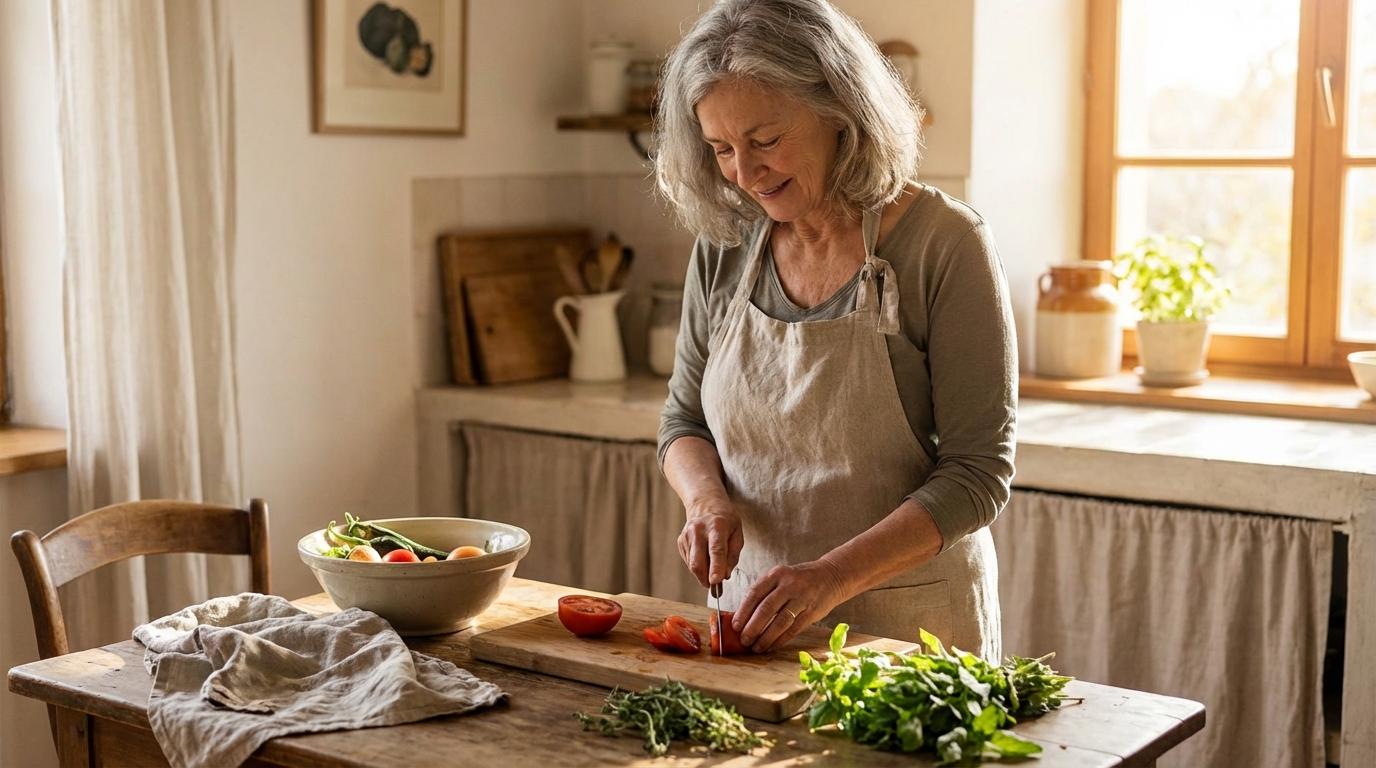
Many kitchens carry a quiet belief that good meals must be complicated to be meaningful. Extra steps, rare ingredients, and long hours can seem like proof of care. Yet in many homes, the most nourishing meals come from a different place. They grow out of steady routines, familiar tools, and a careful eye on what truly matters. Simplicity in cooking does not mean cutting corners. It means choosing where to place attention.
Keeping meals simple while still showing care is a skill built over time. It rests on understanding ingredients, respecting rhythms of the day, and knowing when effort adds value and when it only adds noise. This approach allows cooking to fit naturally into daily life rather than compete with it. It also creates meals that feel steady, reliable, and quietly satisfying.
Understanding What “Simple” Really Means in the Kitchen
Simplicity in cooking is often misunderstood as minimal effort or bare meals. In practice, it means removing what does not serve the food, the cook, or the household. A simple meal can still involve attention, timing, and care. It just avoids unnecessary complication.
True simplicity starts with clarity. Each ingredient has a role. Each step has a purpose. When a recipe or routine becomes cluttered, it becomes harder to notice what actually affects flavor, texture, and nourishment.
Simple meals usually share a few traits:
- They rely on familiar ingredients that are easy to find and store.
- They follow a predictable sequence of steps.
- They allow the cook to stay present instead of rushing.
- They can be adjusted without falling apart.
This kind of simplicity reduces stress. It also makes it easier to cook consistently, which is where care quietly accumulates.
Why Fewer Steps Often Lead to Better Results
Each step in cooking introduces a chance for distraction or error. When there are too many steps, attention gets spread thin. Timing slips. Heat is forgotten. Ingredients are added without tasting.
Fewer steps allow the cook to notice small changes. The sound of onions softening. The way steam rises from a pot. The smell that signals it is time to lower the heat. These details are easy to miss when juggling too much at once.
This is why many dependable dishes have short instructions. They leave room for awareness. That awareness is a form of care that no extra ingredient can replace.
Building Meals Around Everyday Ingredients
Careful cooking begins long before the stove is turned on. It starts with choosing ingredients that fit naturally into daily life. These are items that store well, combine easily, and can be used in more than one way.
When a kitchen is stocked with versatile basics, meals come together with less effort. There is no need to plan every detail in advance. Instead, the cook works with what is already on hand.
Choosing Ingredients That Support Simplicity
Every household develops its own core ingredients. These are not chosen for fashion or novelty but for reliability. They appear in many meals and adapt to different preparations.
Examples of supportive ingredients include:
- Vegetables that keep well and can be cooked in several ways, such as onions, carrots, or cabbage.
- Proteins that can be stretched or repurposed, like eggs, beans, or poultry.
- Grains and starches that serve as a base, such as rice, potatoes, or pasta.
- Fats that add flavor and carry heat evenly, used in small, thoughtful amounts.
Care comes from knowing how these ingredients behave. How long they take to cook. How they respond to heat. What they need to taste complete.
Why Repetition Is a Strength, Not a Weakness
Cooking the same ingredients regularly builds familiarity. Familiarity leads to confidence. Confidence allows adjustments without stress.
When a cook knows how a vegetable softens or how a grain absorbs liquid, there is less need to measure or check constantly. This frees attention for seasoning, timing, and balance.
Repetition also reveals small improvements over time. A pinch of salt added earlier. A gentler simmer. A shorter cooking time. These refinements are only possible when dishes are cooked often enough to be understood.
Letting Routine Carry the Weight
Routines are the quiet structure that keeps daily cooking manageable. They remove the need for constant decisions and allow care to show up in steady ways.
A routine does not have to be rigid. It simply provides a starting point. For example, certain nights may lean toward soups, while others rely on simple pan-cooked meals. This pattern reduces mental effort and makes shopping and preparation easier.
Daily and Weekly Rhythms in the Kitchen
Many kitchens settle into rhythms without much planning. Heavier cooking on days with more time. Lighter meals when energy is lower. Leftovers used intentionally rather than as an afterthought.
Care shows in how these rhythms are respected. A slow-cooked dish is chosen when there is time to let it simmer. Quick meals are planned for busy evenings, not as a failure but as a sensible response.
When routines match real life, cooking feels supportive rather than demanding.
Preparing Just Enough, Not Too Much
Overcomplicating meals often starts with making more than needed. Extra dishes, extra sides, extra effort that does not improve the meal.
Preparing just enough requires attention to appetite and leftovers. Some foods improve after resting. Others lose their appeal. Learning which is which helps avoid waste and disappointment.
This kind of care respects both the food and the time spent making it.
The Quiet Importance of Timing
Timing is one of the most overlooked forms of care in simple cooking. When food is cooked for the right amount of time, it needs less seasoning and fewer additions.
Many ingredients change quickly. A minute too long can dull flavor or ruin texture. A minute too short can leave food harsh or raw.
Learning to Watch Instead of Relying on Clocks
While timers are helpful, they cannot replace observation. Heat varies. Pans behave differently. Ingredients are never exactly the same.
Watching food teaches more than any recipe. Noticing when bubbles slow down. Feeling when a vegetable yields to pressure. Listening for the change in sound when moisture evaporates.
These signs guide cooking more reliably than strict times. They also make the process calmer, as the cook responds instead of rushing.
Why Resting Matters After Cooking
Many simple meals benefit from a short rest before serving. This allows flavors to settle and textures to relax.
Soups become more balanced. Grains finish absorbing moisture. Meats redistribute juices. This rest often requires no extra effort, only patience.
Allowing food to rest is an easy way to improve quality without adding steps.
Seasoning with Care Rather Than Excess
Seasoning is where many cooks feel pressure to impress. Yet careful seasoning is rarely about boldness. It is about balance.
Simple meals depend on seasoning to bring out what is already there, not to cover it up. This requires restraint and attention.
Adding Seasoning in Stages
Seasoning early helps ingredients release their flavors. Seasoning later fine-tunes the result. Doing both thoughtfully avoids the need for heavy correction at the end.
For example, a small amount of salt added while cooking vegetables draws out moisture and deepens taste. A final adjustment at the table ensures nothing is dulled.
This layered approach keeps flavors clear and prevents over-seasoning.
Knowing When to Stop
More seasoning does not always mean better flavor. Sometimes it hides the natural sweetness of vegetables or the richness of grains.
Stopping at the right moment comes from tasting and trusting the ingredient. If something tastes clean and complete, it often is.
This restraint reflects care. It shows respect for the food as it is.
Using Tools That Feel Familiar
A kitchen does not need many tools to function well. It needs tools that are understood and trusted.
Familiar tools move smoothly in the hands. They respond predictably. This reduces effort and allows attention to stay on the food.
Why Fewer Tools Can Improve Cooking
Each additional tool requires cleaning, storage, and decision-making. Too many options can slow down the process.
Using the same pan for many dishes builds knowledge. The cook learns where it heats evenly and where it does not. This knowledge leads to better results with less thought.
Care grows from this familiarity.
Keeping Tools in Good Working Order
Simple care of tools supports simple cooking. Clean blades cut better. Well-seasoned pans release food easily. Tight handles prevent accidents.
Maintaining tools does not require special products. It requires attention and regular habits. Washing promptly. Drying thoroughly. Storing with intention.
These small actions reduce frustration and protect the ease of daily cooking.
Making Space for Flexibility
Even the best routines need room to bend. Ingredients change. Schedules shift. Energy varies.
Careful simplicity allows for adjustment without guilt. A planned dish can be simplified. A missing ingredient can be replaced.
Understanding Which Parts of a Meal Matter Most
Not every element of a meal carries equal weight. Some components define the dish. Others are supporting.
For example, the cooking method may matter more than the exact seasoning. Or the freshness of a main ingredient may matter more than the side dish.
Knowing where flexibility is safe prevents stress and keeps meals satisfying even when plans change.
Using Leftovers with Intention
Leftovers are not an afterthought in a careful kitchen. They are part of the plan.
Some foods transform well. Cooked vegetables can become soups or fillings. Grains can be reheated or turned into salads. Proteins can be stretched with sauces or broths.
Using leftovers thoughtfully reduces waste and shortens future cooking time without sacrificing care.
The Role of Attention, Not Perfection
Care in cooking is often mistaken for perfection. In reality, it is closer to presence.
Attention shows in small ways. Adjusting heat when something cooks too fast. Tasting before serving. Cleaning as one goes to keep the space calm.
These actions do not require extra time. They require focus.
Staying Present During Simple Tasks
Many kitchen tasks are repetitive. Chopping. Stirring. Washing.
When done with attention, these tasks become grounding rather than tedious. They offer time to notice progress and respond to what is happening.
This presence often leads to better meals because nothing is overlooked.
Accepting Imperfect Results
Even careful cooking does not guarantee perfect results every time. Ingredients vary. Distractions happen.
Accepting this keeps cooking from becoming rigid. A slightly overcooked vegetable or a mild seasoning can still be nourishing.
Care is shown by continuing, adjusting, and learning rather than striving for flawlessness.
Why Simple Meals Often Feel More Nourishing
Simple meals tend to be easier to digest, both physically and mentally. They do not overwhelm the senses.
Flavors are clear. Portions are reasonable. The body recognizes what it is being given.
This clarity supports a sense of comfort and satisfaction that complicated meals sometimes miss.
Connecting Food to Daily Life
Meals that fit naturally into daily routines are more likely to be enjoyed. They do not require recovery time or special conditions.
When food supports the day instead of interrupting it, it becomes a steady source of nourishment rather than a performance.
Creating a Calm Eating Experience
The care put into simple cooking often carries through to the table. Meals are served without rush. Portions feel appropriate. The atmosphere remains calm.
This environment encourages slower eating and better appreciation of the food.
In this way, simplicity in cooking extends beyond the kitchen and into the rhythm of the home.
Letting Care Accumulate Over Time
The true strength of simple cooking lies in its consistency. One thoughtful meal may go unnoticed. Many thoughtful meals create a foundation.
Care accumulates through repeated actions. Choosing familiar ingredients. Cooking with attention. Respecting routines.
Over time, these habits shape a kitchen that feels dependable and nourishing.
Trusting the Process
There is no need to overhaul cooking habits overnight. Simplicity grows naturally when unnecessary steps are let go.
Each small adjustment makes the next one easier. Removing one extra dish. Shortening preparation. Relying on what works.
Trusting this gradual process keeps cooking grounded and sustainable.
Allowing Meals to Reflect the Day
Some days call for warmth and softness. Others need speed and ease.
Simple cooking adapts without losing care. A pot left to simmer quietly. A quick meal prepared with attention.
In both cases, the food reflects the day it belongs to.