
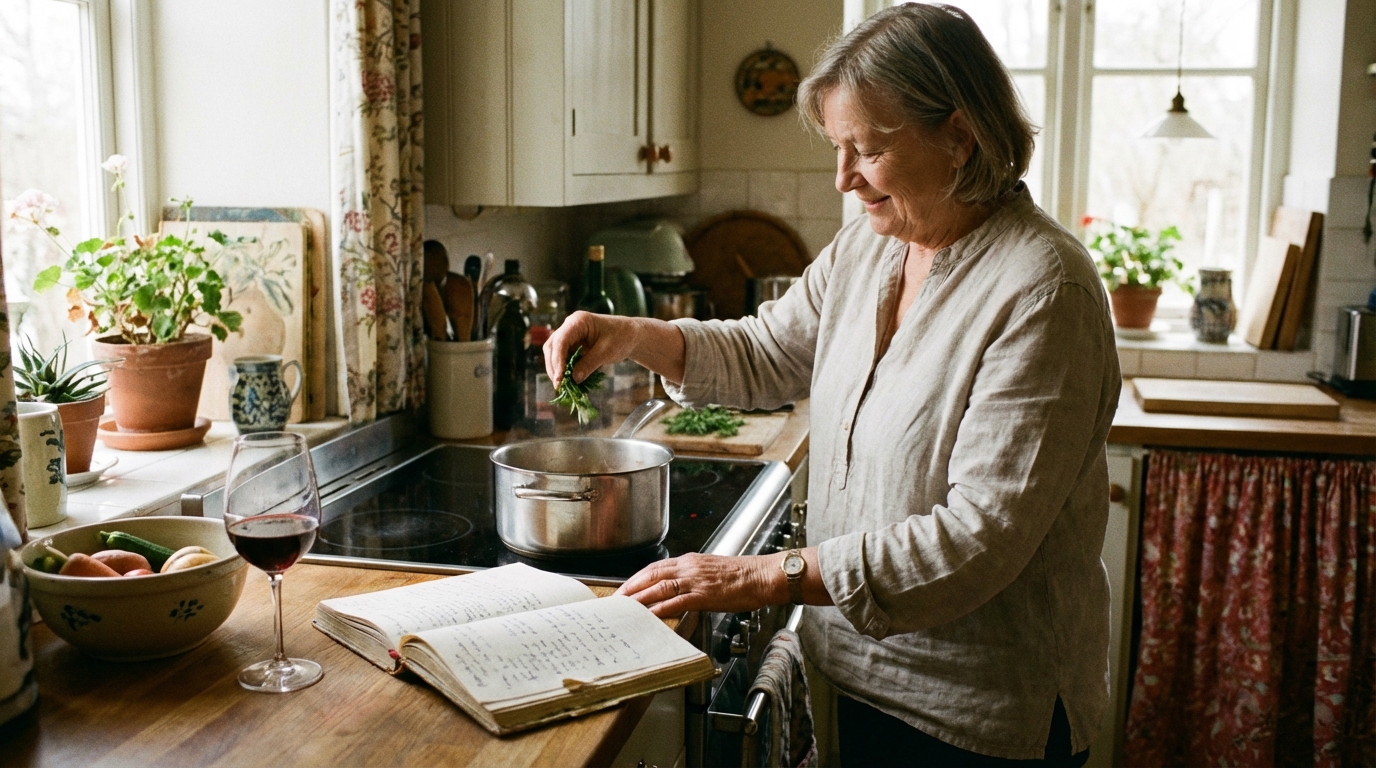
Keeping recipes flexible is a quiet kindness in the kitchen. It lowers the pressure, leaves room for judgment, and turns cooking into a steady routine instead of a test. When meals are allowed to bend, the cook can respond to what is actually happening on the stove, in the pantry, and in the day. This approach does not mean careless cooking. It means paying attention, understanding why steps matter, and knowing where adjustments can be made without harm.
Many home cooks have felt the tension of a rigid recipe. Exact measurements, precise times, and long lists of ingredients can make cooking feel like following orders rather than preparing food. A flexible recipe shifts the focus. It asks for awareness instead of perfection. It relies on simple markers like smell, color, texture, and taste. Over time, these markers become familiar and reliable.
Why Flexibility Matters in Everyday Cooking
Meals are made in real homes, not test kitchens. Heat levels vary from stove to stove. Ingredients differ by season and storage. Time is sometimes short, sometimes generous. Flexible recipes accept these conditions instead of fighting them.
When a recipe allows for adjustment, it reduces the chance of failure. A sauce that can simmer longer without harm, or a soup that improves with an extra handful of vegetables, offers reassurance. Mistakes become small detours rather than dead ends.
Flexibility also supports regular cooking. When meals do not require perfect planning or special items, they fit more easily into daily life. The cook can begin with what is on hand and adapt as needed. This steady rhythm builds confidence and keeps the kitchen active.
Understanding the Structure Behind Forgiving Recipes
Forgiving recipes are not vague. They are built on strong foundations. Understanding these foundations makes it easier to adjust without losing balance.
Ratios Instead of Exact Measurements
Many dependable dishes rely on simple ratios. Bread, soups, sauces, and batters often follow patterns that stay steady even when quantities change. For example, a basic soup usually balances vegetables, liquid, and seasoning in a way that allows for extra carrots or a missing onion.
Knowing these ratios helps when measuring tools are unavailable or when ingredients need to stretch. A pancake batter that looks too thick can be thinned with milk because the cook understands the goal: a pourable batter that spreads slowly on the pan.
Processes That Matter More Than Numbers
In many dishes, the process carries more importance than exact timing. Sautéing until onions turn soft and sweet matters more than cooking them for exactly five minutes. Simmering until flavors blend matters more than reaching a precise clock mark.
When the focus stays on visible and sensory cues, cooking becomes responsive. The cook can adjust heat, add liquid, or extend cooking time based on what is happening in the pot.
Using the Senses as Reliable Guides
Flexible cooking depends on the senses. Sight, smell, sound, and taste provide constant information. Learning to trust these signals takes time, but they are dependable.
Watching Color and Texture
Color changes often signal readiness. Vegetables deepen in color as they cook. Flour turns from pale to lightly golden when toasted. These changes indicate flavor development.
Texture also tells a story. Pasta softens gradually. Beans move from firm to tender. Touching, stirring, and observing help determine when food is ready for the next step.
Listening to the Pan
The sound of cooking offers clues. A gentle sizzle suggests proper heat for sautéing. Loud popping can mean the pan is too hot or too crowded. Silence may signal the need for more heat.
Adjusting based on sound prevents burning and encourages even cooking. This skill becomes second nature with practice.
Smelling for Readiness
Aromatic cues often arrive before visual ones. Garlic becomes fragrant just before it risks burning. Spices bloom when warmed in oil, releasing their scent.
Noticing these moments helps avoid bitterness and draws out deeper flavors.
Tasting Along the Way
Tasting is essential in forgiving cooking. It allows seasoning to be adjusted gradually. A pinch of salt early can be balanced later. Acidity can be softened with a small amount of sweetness.
Frequent tasting prevents overcorrection and builds an understanding of how flavors develop with heat and time.
Pantry Cooking and Ingredient Substitution
Flexible recipes work well with pantry cooking. They allow substitutions without sacrificing the meal.
Knowing Which Ingredients Are Structural
Some ingredients provide structure, while others add flavor. In baking, flour and eggs often hold structure, while nuts or dried fruit add interest. In soups, the base of onion, carrot, and celery provides depth, while other vegetables can change freely.
Understanding this distinction helps decide what can be swapped. Removing a structural element may require adjustment, but changing a flavor element rarely causes trouble.
Substituting with Similar Roles
When an ingredient is missing, choosing a replacement with a similar role keeps balance. Leeks can stand in for onions. Yogurt can replace sour cream. Water can replace broth if seasoning is adjusted.
The key is to consider moisture, fat, and flavor intensity. A watery substitute may require longer cooking. A strong flavor may need less quantity.
Adjusting for Freshness and Age
Ingredients change over time. Older spices lose strength. Stored grains absorb moisture. Flexible recipes account for this by encouraging tasting and adjusting.
If dried herbs seem mild, a bit more can be added. If flour feels compacted, it can be loosened before measuring. These small actions prevent disappointment.
Timing Windows Instead of Exact Minutes
Rigid timing can create stress. Flexible cooking uses timing windows instead.
For example, a stew may simmer anywhere from forty minutes to two hours. Within this window, flavors deepen and textures soften. The cook can stop when the desired result appears.
This approach suits busy days. A dish can wait gently on low heat until other tasks are finished. Knowing that food will not suffer from extra time brings ease.
Understanding When Timing Matters
Some steps do require closer attention. Delicate fish can overcook quickly. Fresh herbs lose flavor if cooked too long. Flexible cooking recognizes these moments and treats them with care.
By contrast, long-cooked dishes welcome patience. Beans, grains, and tougher cuts of meat benefit from extended time.
Heat Control as a Tool for Forgiveness
Heat is one of the most powerful tools in the kitchen. Learning to adjust it creates room for error.
Lowering Heat to Buy Time
When something seems to be cooking too fast, lowering the heat can slow the process. This prevents burning and allows flavors to develop more evenly.
Gentle heat also gives the cook time to correct seasoning or add liquid.
Using High Heat with Intention
High heat has its place. It creates browning and depth. The key is to use it briefly and attentively.
Searing meat, for example, benefits from high heat at the start, followed by lower heat to finish cooking. This combination builds flavor without drying the food.
Salt, Acid, and Fat: The Quiet Balancers
Flexible recipes rely on balance rather than strict measurement. Salt, acid, and fat work together to shape flavor.
Salting in Stages
Adding salt gradually allows flavors to build naturally. Early salting helps ingredients release moisture and develop taste. Final seasoning adjusts the overall balance.
If a dish tastes flat, it may need salt rather than more ingredients.
Using Acid to Brighten
A small amount of acid can lift heavy flavors. Vinegar, citrus, or tomatoes add clarity. Acid works best when added near the end, where it remains noticeable.
If a dish feels dull after cooking, a splash of acid can restore freshness.
Fat for Comfort and Carrying Flavor
Fat carries flavor and adds comfort. Oils, butter, and dairy soften sharp edges. If a dish tastes harsh, a bit of fat can smooth it.
Understanding this allows adjustment without starting over.
Forgiving Baking: Where Flexibility Still Lives
Baking is often seen as strict, but flexibility exists here as well.
Recognizing Visual and Tactile Cues
Bread dough tells its story through feel. It becomes smooth and elastic when ready. Cakes pull slightly from the pan when done. These signs often matter more than the timer.
Learning these cues allows adaptation to different ovens and climates.
Allowing Rest and Cooling Time
Resting dough or batter improves texture. Cooling baked goods allows structure to set. Rushing these steps can undo careful work.
Flexible recipes build in rest as a suggestion rather than a strict rule, encouraging patience.
Routine Meals and Repeated Dishes
Flexibility shines in meals cooked often. Repeated dishes become familiar, and small changes keep them interesting.
A simple roast can vary with different vegetables or herbs. A basic grain bowl can change with the season. These variations prevent boredom and reduce planning effort.
Over time, the cook learns what the dish needs and can adjust without thinking.
Reducing Pressure Through Preparation Habits
Flexible cooking begins before the stove is on.
Reading Recipes for Intent
Instead of focusing on every detail, it helps to read a recipe for intent. Understanding why steps exist makes it easier to adjust them.
If a recipe calls for simmering to reduce liquid, the goal is concentration. If it calls for resting meat, the goal is moisture retention.
Setting Up the Kitchen for Calm
Keeping basic tools within reach reduces stress. A sharp knife, a sturdy pan, and a wooden spoon support flexibility.
When tools work well, attention stays on the food rather than on obstacles.
When Flexibility Does Not Apply
Not every situation welcomes adjustment.
Preserving foods for storage requires accuracy for safety. Certain techniques rely on precise conditions. In these cases, following instructions carefully matters.
Flexible cooking respects these boundaries and applies freedom where it is safe and appropriate.
Building Confidence Through Small Adjustments
Confidence grows through small choices. Adding an extra vegetable, adjusting seasoning, or changing cooking time slightly builds trust.
Each successful adjustment reinforces understanding. Even missteps teach valuable lessons.
Over time, recipes become guides rather than rules. The kitchen becomes a place of steady care, where meals adapt to the day instead of demanding perfection.
The Quiet Rhythm of a Forgiving Kitchen
A flexible approach encourages a gentle rhythm. Meals unfold at a natural pace. The cook responds instead of rushes.
This rhythm supports regular nourishment. It makes space for conversation, rest, and attention to the small details that bring comfort.
In this way, adaptable recipes do more than feed the body. They support the daily flow of home life, one calm adjustment at a time.