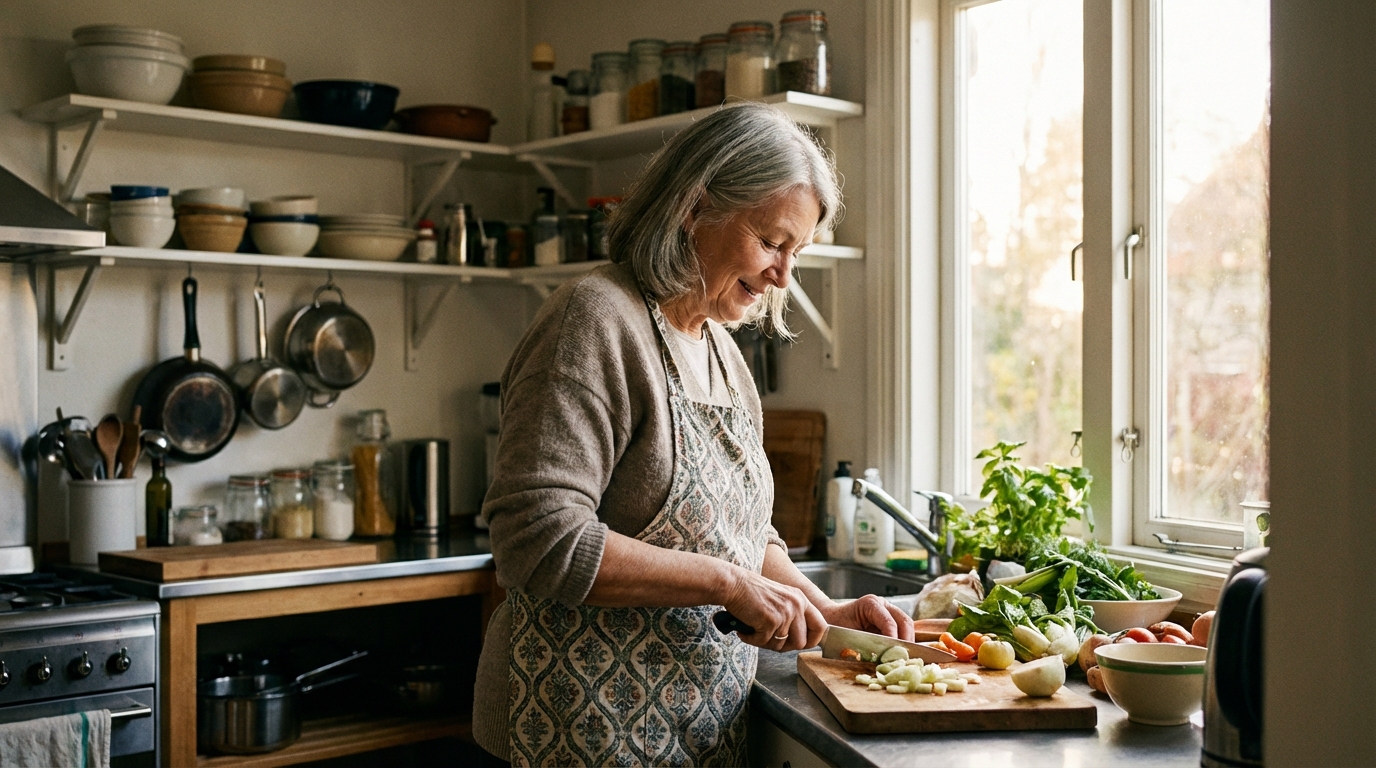
A kitchen works best when it supports the simple act of preparing food, day after day, without friction. When the space is arranged with function in mind, cooking becomes steadier and more pleasant. Meals come together with less strain. Clean-up feels manageable. Small routines hold their place. A functional kitchen does not need to be large or modern. It needs to be thoughtful, predictable, and easy to use.
Many homes gather layers of kitchen habits over time. Tools arrive, shelves shift, and new items find temporary homes that quietly become permanent. Function slips not because of clutter alone, but because the kitchen no longer follows the rhythm of daily work. Returning focus to function means paying attention to how tasks actually unfold, where hands naturally reach, and what gets used again and again.
This approach values care over appearance. It rests on the idea that a kitchen should serve the cook, not impress a visitor. When function leads, the room feels calmer, even on busy days.
The Kitchen as a Working Room
A kitchen is a place of movement. Water runs. Heat builds. Ingredients travel from shelf to counter to pan. When this movement is interrupted, small frustrations accumulate. Drawers stick. Items hide behind others. Steps are added without purpose.
Seeing the kitchen as a working room changes how decisions are made. Instead of asking where something looks nice, the question becomes where it is needed. This shift reduces strain on the body and mind.
Function starts with understanding the basic flow of cooking:
- Gathering ingredients and tools
- Washing and preparing food
- Cooking and monitoring heat
- Serving or storing food
- Cleaning and resetting the space
Each stage benefits from having the right items close by. When the layout supports this sequence, cooking feels less scattered. Even familiar recipes feel easier.
Placing Everyday Tools Where Hands Expect Them
Some tools earn their place through daily use. Others are helpful but occasional. Treating both the same leads to clutter and wasted motion.
Everyday tools should live where they are used, not where they fit. A wooden spoon belongs near the stove because it stirs hot food. A cutting board belongs near the prep area because it anchors chopping. When tools are stored based on use rather than category, the kitchen starts to feel intuitive.
Understanding Reach and Motion
The body follows patterns without thought. Hands reach to the same spots. Feet turn toward familiar paths. When a tool is stored against this natural motion, it creates a pause. That pause may seem small, but repeated many times a day, it becomes tiring.
Consider these small but important placements:
- Knives stored close to the main cutting surface, not across the room
- Cooking oils kept within arm’s reach of the stove, but not so close that heat affects them
- Colanders stored near the sink rather than near dry goods
These choices reduce steps and protect focus. Cooking stays connected instead of broken into stops and starts.
Keeping Counters Clear Enough to Work
Counters are the kitchen’s worktables. When they are crowded, tasks become cramped. Food prep suffers, and spills are more likely.
Clear counters do not mean empty counters. A few well-chosen items can stay out if they support daily work. The key is knowing which items earn that space.
Choosing What Stays Out
An item should remain on the counter only if it meets at least one of these conditions:
- It is used every day
- It is heavy or awkward to move
- It supports a routine that happens without fail
A coffee maker used each morning earns its place. A decorative bowl that collects mail may not. Even useful items lose their value if they block working space.
When counters are mostly clear, the mind feels clearer too. There is room to lay out ingredients. There is space to pause a hot pan. The kitchen feels ready rather than crowded.
Storing Food Where It Makes Sense
Food storage works best when it follows cooking habits. A pantry arranged by type but not by use can slow everything down.
Dry goods that are used together should be stored together. This seems simple, but many kitchens separate items by container rather than purpose.
Grouping by Meal, Not Category
Consider how meals are built. Breakfast items often include grains, sweeteners, and small tools like strainers or scoops. Keeping these close allows mornings to stay smooth.
The same applies to baking, soups, or simple suppers. When flour, sugar, leavening, and mixing tools are stored in the same zone, baking becomes less of a scavenger hunt.
This approach reduces mental load. The cook does not need to remember where each item lives. The kitchen itself provides cues.
Visibility Without Exposure
Food should be easy to see but protected from light, heat, and moisture. Clear containers help with visibility, but only when they are stored away from direct sunlight and heat sources.
Open shelves can work in some kitchens, but they require regular attention. Dust, grease, and light can shorten the life of stored food. Closed cabinets offer steadier conditions, especially for items used slowly.
The goal is balance: enough visibility to prevent waste, enough protection to preserve quality.
Respecting the Sink Area as a Cleaning Station
The sink is more than a basin. It is the center of cleaning, rinsing, draining, and resetting. When this area is cluttered, cleaning feels harder than it should.
A focused sink area supports better habits. Dishes are more likely to be washed promptly. Surfaces are easier to wipe down.
Keeping Only What Supports Cleaning
Items near the sink should directly serve cleaning tasks. Extra containers, tools, or decorations pull attention away from the job at hand.
Useful items include:
- A sturdy drying rack sized to the household’s needs
- A simple container for brushes or sponges that allows them to dry
- A towel placed where it can be changed often
When everything near the sink has a purpose, cleaning feels less like a chore and more like a natural closing step to cooking.
Creating a Cooking Zone That Supports Heat and Timing
The cooking area demands focus. Heat requires attention. Timing matters. When tools and ingredients are scattered, mistakes happen more easily.
A functional cooking zone keeps essential items close while removing distractions.
What Belongs Near the Stove
Only tools that handle heat or assist with cooking should live here. This includes:
- Spatulas and spoons used for stirring
- Pot holders or towels used to handle hot cookware
- Seasonings used during cooking rather than at the table
Storing these items nearby prevents rushed movements. It also reduces the temptation to leave a pan unattended while searching for a tool.
What Does Not Belong Near Heat
Some items suffer when exposed to warmth. Oils can go stale. Spices lose strength. Wooden tools can dry and crack.
Placing these items slightly away from the stove protects them and keeps the cooking zone focused. A short step is better than damaged supplies.
Making Drawers Work Harder
Drawers often become catch-alls. Without structure, small tools tangle together. Finding one item requires moving several others.
A functional drawer is not packed. It is organized with intention.
Dividing by Task
Instead of sorting tools by size or material, sort by use. A drawer for prep tools might include peelers, small knives, and measuring spoons. A separate drawer for serving tools keeps those items out of the way during cooking.
This division reduces overlap. Each drawer has a purpose, and that purpose guides what belongs there.
Leaving Space on Purpose
Not every inch needs to be filled. Empty space allows tools to be lifted easily. It also leaves room for change as routines shift.
When drawers close without resistance, the kitchen feels cooperative rather than stubborn.
Letting Cabinets Reflect Daily Life
Cabinets hold the backbone of the kitchen. Their contents shape how meals come together.
A cabinet that looks full but functions poorly creates hidden frustration. Plates stacked too high, lids sliding out of place, or items stored out of reach all slow the work.
Adjusting Shelf Height
Shelves should match the items they hold. Tall stacks of plates need headroom. Short items waste vertical space when shelves are too far apart.
Adjusting shelf height is a simple change with lasting impact. It reduces lifting strain and makes items easier to see.
Storing Heavy Items Thoughtfully
Heavy pots and appliances should be stored between waist and chest height when possible. This protects the body and makes them more likely to be used.
When heavy items are stored too low or too high, they are often avoided. The kitchen then fills with workarounds instead of solutions.
Supporting Simple, Repeatable Meals
A functional kitchen supports the meals that happen most often. It does not need to be ready for every possible dish. It needs to be ready for everyday cooking.
Keeping this focus prevents the space from being overtaken by rarely used tools.
Honoring Regular Dishes
If a certain soup, grain, or baked item appears often, its tools and ingredients should be easy to reach. This respect for routine saves time and energy.
Rarely used items can be stored higher or farther away. They remain available without interrupting daily flow.
Resetting the Kitchen as Part of the Routine
A kitchen stays functional when it is reset regularly. This does not require deep cleaning each day. It requires small, steady actions.
Resetting means returning items to their places, wiping surfaces, and preparing the space for the next task.
Why Resetting Matters
When the kitchen is left mid-task, the next cooking session starts with cleanup. This creates resistance and delays meals.
A simple reset keeps momentum going. It allows the next task to begin without friction.
Small Habits That Keep Order
Effective habits include:
- Washing tools as soon as they are no longer needed
- Wiping spills while they are fresh
- Returning ingredients to their place after use
These habits protect the kitchen from gradual disorder. They also make the space feel cared for.
Allowing the Kitchen to Change Slowly
Function is not fixed. As routines shift, the kitchen should adjust. This does not require frequent overhauls. Small changes made with attention work best.
When an item is repeatedly moved during cooking, it may be asking for a new home. Listening to these signals keeps the kitchen aligned with real use.
Making One Change at a Time
Changing too much at once can disrupt familiar rhythms. Adjusting one drawer or shelf allows the body to adapt.
When the change works, it feels natural. When it does not, it becomes clear quickly.
Keeping Function at the Center
A kitchen focused on function supports daily life quietly. It does not demand attention. It offers help.
When tools are where they are needed, when surfaces are ready for work, and when routines are respected, cooking becomes steadier and more satisfying.
This kind of kitchen does not rely on trends or constant updates. It relies on care, observation, and patience. Over time, it becomes a space that holds meals together with calm reliability.