
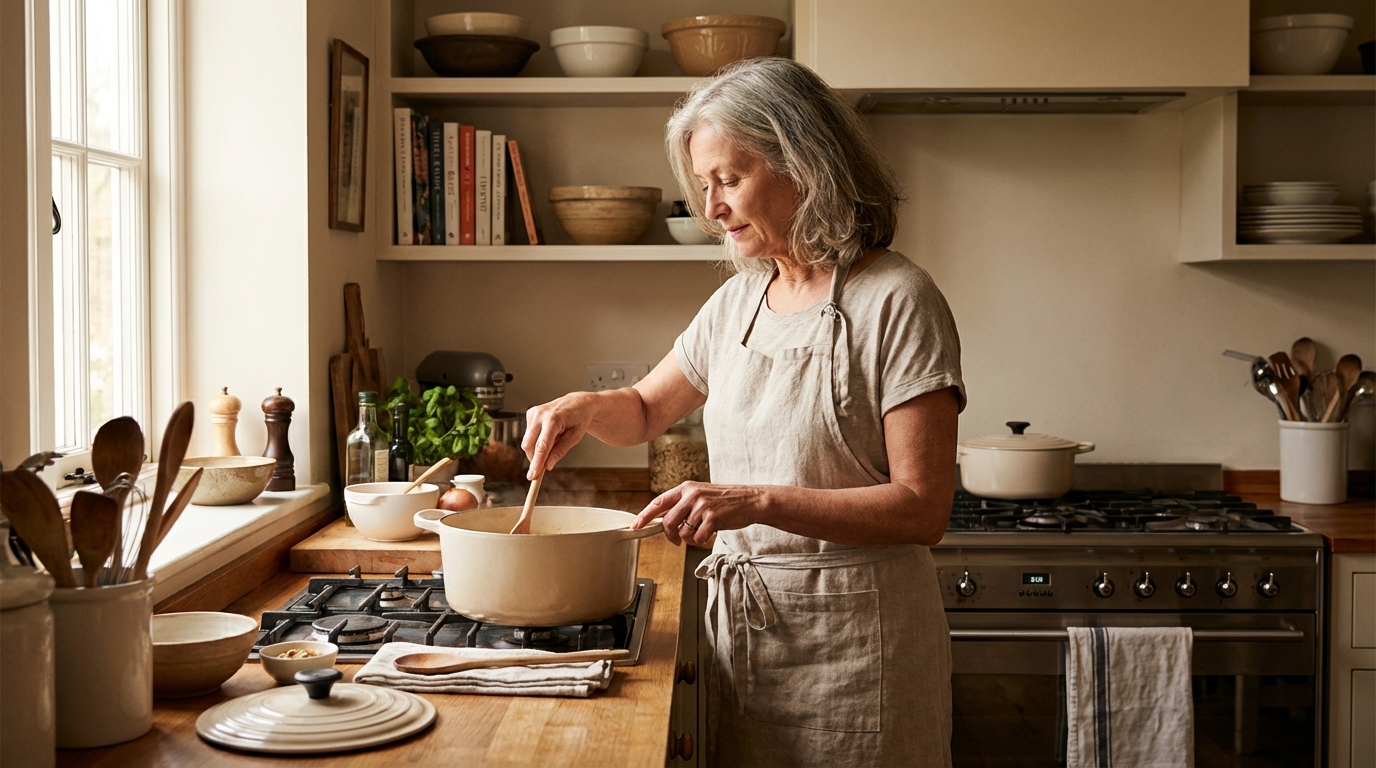
A kitchen earns its place in the home by being used. It is shaped by hands reaching for familiar tools, by meals prepared without hurry, and by the steady rhythm of daily care. When a kitchen is focused on use, it becomes easier to work in, easier to keep up, and more welcoming to those who gather there. Practical kitchens do not reject beauty, but they allow beauty to grow out of usefulness rather than compete with it.
This way of thinking does not depend on style or size. A small kitchen can serve just as well as a large one when its purpose is clear. What matters is that the space supports real work: chopping, stirring, washing, storing, and sharing food. When the kitchen is arranged around how it is actually used, everyday tasks take less effort and less thought, leaving more attention for the food and the people.
Use Before Appearance
When a kitchen is planned or adjusted, it is tempting to start with how it will look. Cabinets, colors, and finishes can feel important because they are easy to see. But appearance alone does not make a kitchen workable. A kitchen that looks neat but interrupts the flow of cooking can quietly create frustration over time.
Focusing on use begins with honest observation. Notice where hands naturally go during a meal preparation. Notice which drawers are opened most often and which cupboards collect dust. These small patterns reveal what the kitchen truly needs. A shelf that looks balanced but requires constant reaching may be better moved. A plain hook placed near the stove can be more valuable than a decorative item that must be moved each time a pot is lifted.
Practical kitchens accept that signs of use will appear. Light scratches on a work surface, a cutting board worn smooth, or a favorite pan darkened from years of heat are not flaws. They are evidence that the kitchen is doing its job. Trying to preserve a kitchen as if it were untouched often leads to unnecessary worry and extra work.
Arranging the Kitchen Around Daily Work
A kitchen works best when its layout follows the order of tasks. Food is stored, prepared, cooked, served, and cleaned. When these steps are supported by the space, movement becomes simpler and calmer.
Storage Where It Is Needed
Items should live near where they are used. This reduces back-and-forth movement and makes cooking feel less tiring. For example, oils and seasonings belong close to the stove, not tucked away across the room. Mixing bowls are best stored near the counter where ingredients are combined, rather than stacked high in a distant cupboard.
This does not mean everything must be visible. It means storage should respect the work. A drawer that slides easily and opens fully allows tools to be seen at a glance. Deep cabinets can hide useful items if shelves are too high or too low. Adding simple risers or baskets can make stored items easier to reach without reorganizing the entire kitchen.
Clear Counters With Purpose
Counter space is valuable not because it looks open, but because it provides room to work. A counter crowded with objects that are rarely used can make simple tasks feel cramped. At the same time, counters that are completely bare may require frequent pulling out of tools that could reasonably stay within reach.
A focused kitchen keeps only what earns its place on the counter. This often includes items used daily, such as a cutting board, a utensil container, or a kettle. These items should be placed so they do not interrupt the main work area. For example, a cutting board that leans against the backsplash near the prep area saves time without taking up space.
Choosing Tools for Reliability, Not Display
Kitchen tools should be chosen for how well they perform and how they hold up to repeated use. A sturdy pan that heats evenly and cleans without fuss will be reached for again and again. A delicate or overly specialized tool may look appealing but can complicate cooking.
It helps to notice which tools are used most often and which ones remain untouched. Often, a small set of reliable items does most of the work. These deserve to be easy to reach and easy to care for.
The Value of Weight and Balance
Tools with some weight and balance tend to work better and last longer. A knife that feels steady in the hand allows for safer, more controlled cutting. Thin, lightweight tools may seem convenient but can bend or wear quickly, leading to uneven results.
This does not require expensive equipment. Many well-made tools are simple in design. What matters is how they respond to regular use. When a tool performs its job without needing constant adjustment, it reduces strain and allows attention to stay on the task.
Avoiding Duplication
Multiple versions of the same tool can create clutter without adding usefulness. Several spatulas that serve the same purpose will crowd a drawer and make it harder to find the right one. Keeping one or two dependable options encourages familiarity and care.
When tools are limited, they are often cleaned promptly and returned to their place. This naturally supports order without effort. Excess tools, on the other hand, can pile up and discourage regular upkeep.
Materials That Support Everyday Life
The surfaces and materials in a kitchen affect how it is used. Some materials invite regular care, while others demand constant caution. A practical kitchen favors materials that tolerate spills, heat, and frequent cleaning.
Work Surfaces That Can Be Used Freely
A work surface should allow chopping, mixing, and setting down hot dishes without worry. Surfaces that stain easily or scratch at the lightest touch can make cooking feel tense. This tension can slow down work and reduce enjoyment.
Materials that develop a gentle patina over time often age more gracefully. Small marks blend into the surface and become less noticeable. This allows the kitchen to be used confidently, without constant cleaning or protective layers.
Floors That Welcome Movement
Kitchen floors experience constant movement, dropped utensils, and occasional spills. A floor that is easy to sweep and mop supports daily routines. Highly delicate flooring can require careful steps and immediate cleanup, which adds pressure to ordinary tasks.
Comfort underfoot also matters. A floor that feels too hard can cause fatigue during longer cooking sessions. Simple mats placed near work areas can reduce strain without altering the kitchen’s overall function.
Lighting That Serves the Work
Good lighting is often overlooked because it is less visible than cabinets or appliances. Yet lighting shapes how easily tasks are completed. A kitchen focused on use provides light where it is needed, not just where it looks balanced.
Task Lighting Over Decoration
Light should fall directly onto work surfaces. Shadows over the cutting area or stove can make tasks harder and less safe. Under-cabinet lighting or a well-placed lamp can make a noticeable difference, even in a modest kitchen.
Overhead lighting alone is rarely enough. It can cast shadows where the body stands between the light and the counter. Adding focused light near the work area supports precision and reduces eye strain.
Soft Light for Early and Late Hours
Not all kitchen time is spent cooking full meals. Early mornings and late evenings often call for softer light. Having a secondary, gentler light source allows the kitchen to remain useful without feeling harsh.
This layered approach to lighting respects the full range of kitchen activities, from quiet cup preparation to active meal cooking.
Keeping the Kitchen Easy to Clean
A kitchen that is hard to clean quickly becomes tiring to maintain. When cleaning feels complicated, it is often delayed, which leads to more work later. Practical kitchens are arranged to support regular, simple cleaning.
Reducing Traps for Dirt and Grease
Open shelves can be useful, but they also collect dust and grease. In areas near the stove, closed storage often requires less frequent cleaning. Where open shelves are used, placing items that are washed often can prevent buildup.
Decorative grooves, raised panels, and intricate hardware may look appealing but can trap residue. Smooth surfaces wipe clean more easily and support daily upkeep.
Simple Cleaning Routines
When cleaning is built into daily routines, it feels less demanding. Wiping the counter after meal preparation, rinsing the sink after use, and sweeping the floor at the end of the day prevent buildup.
These actions work because they address mess while it is fresh. Dried spills and hardened residue require more effort. A kitchen designed for easy access to cloths, brushes, and cleaning supplies makes these small actions more likely to happen.
Appliances Chosen for Use, Not Novelty
Appliances should earn their place by being used regularly. A kitchen crowded with seldom-used machines can feel tight and complicated. Practical kitchens prioritize appliances that support daily cooking habits.
Understanding Actual Needs
Before adding an appliance, it helps to consider how often it will be used and where it will be stored. An appliance that is heavy or awkward to move may remain unused if it is difficult to access. In contrast, a simple appliance that stays on the counter and is used weekly may justify its space.
Choosing appliances that perform multiple tasks can reduce clutter. However, this only works if the appliance does those tasks well. Poor performance leads to frustration and abandonment.
Maintenance and Repair
Appliances that are easy to clean and maintain support long-term use. Complex machines with many small parts can be difficult to keep up with. When maintenance feels burdensome, appliances are often neglected or replaced sooner than necessary.
Practical kitchens value appliances that can be cared for without special tools or constant attention. This supports continuity and reduces waste.
Food Storage That Respects the Ingredients
How food is stored affects how it is used. When ingredients are easy to see and reach, meals come together more naturally. When food is hidden or poorly stored, it is often forgotten.
Visibility Without Disorder
Clear containers, simple labels, and logical grouping help ingredients stay organized. This does not require uniform containers or elaborate systems. It requires consistency. Keeping similar items together allows quick scanning and reduces overbuying.
Dry goods stored in sturdy containers are protected from moisture and pests. Containers that open easily encourage regular use. Lids that are difficult to remove can discourage cooking, especially during busy times.
Respecting Temperature and Light
Some ingredients keep best in cool, dark places, while others benefit from air circulation. Understanding these needs prevents waste. For example, storing certain produce away from direct light can extend freshness.
Practical storage choices are guided by how food behaves over time. When storage supports the ingredients, meals are easier to plan and prepare.
Encouraging Shared Use
A kitchen often serves more than one person. When the space is arranged so that others can easily find and use items, it supports shared responsibility and ease.
Clear Placement
When everyday items have obvious places, anyone can put them away correctly. This reduces confusion and prevents clutter from accumulating. Drawers and cabinets that open smoothly and are not overfilled support this clarity.
Keeping commonly used items at reachable heights allows more people to participate in kitchen tasks. This makes the kitchen feel open rather than controlled.
Flexible Space
A practical kitchen allows for more than one task at a time. Leaving a clear section of counter available supports this flexibility. Movable items, such as small carts or trays, can create temporary work areas without permanent changes.
This flexibility allows the kitchen to adapt to different needs throughout the day.
Letting the Kitchen Settle Over Time
A kitchen does not need to be perfected all at once. In fact, it often works best when it is allowed to settle gradually. Small adjustments made in response to daily use tend to be more effective than major changes based on appearance alone.
Paying attention to minor inconveniences can guide improvements. A drawer that sticks, a shelf that is too high, or a hook that would be useful near the sink are all opportunities to make the kitchen more supportive.
These adjustments do not require large investments. They require patience and attentiveness. Over time, the kitchen becomes shaped by real needs rather than ideals.
Respecting the Rhythm of the Home
The kitchen reflects the rhythm of the household. Morning routines, midday pauses, and evening meals all leave their mark. A kitchen focused on use supports these rhythms rather than interrupting them.
When the kitchen is easy to work in, meals feel less like a task and more like a natural part of the day. This ease encourages regular cooking and shared time, which strengthens the role of the kitchen as a steady presence in the home.
By choosing practicality over appearance, the kitchen becomes a place where daily life unfolds without friction. Its value is found not in how it looks at rest, but in how well it supports the ongoing work of nourishment and care.