
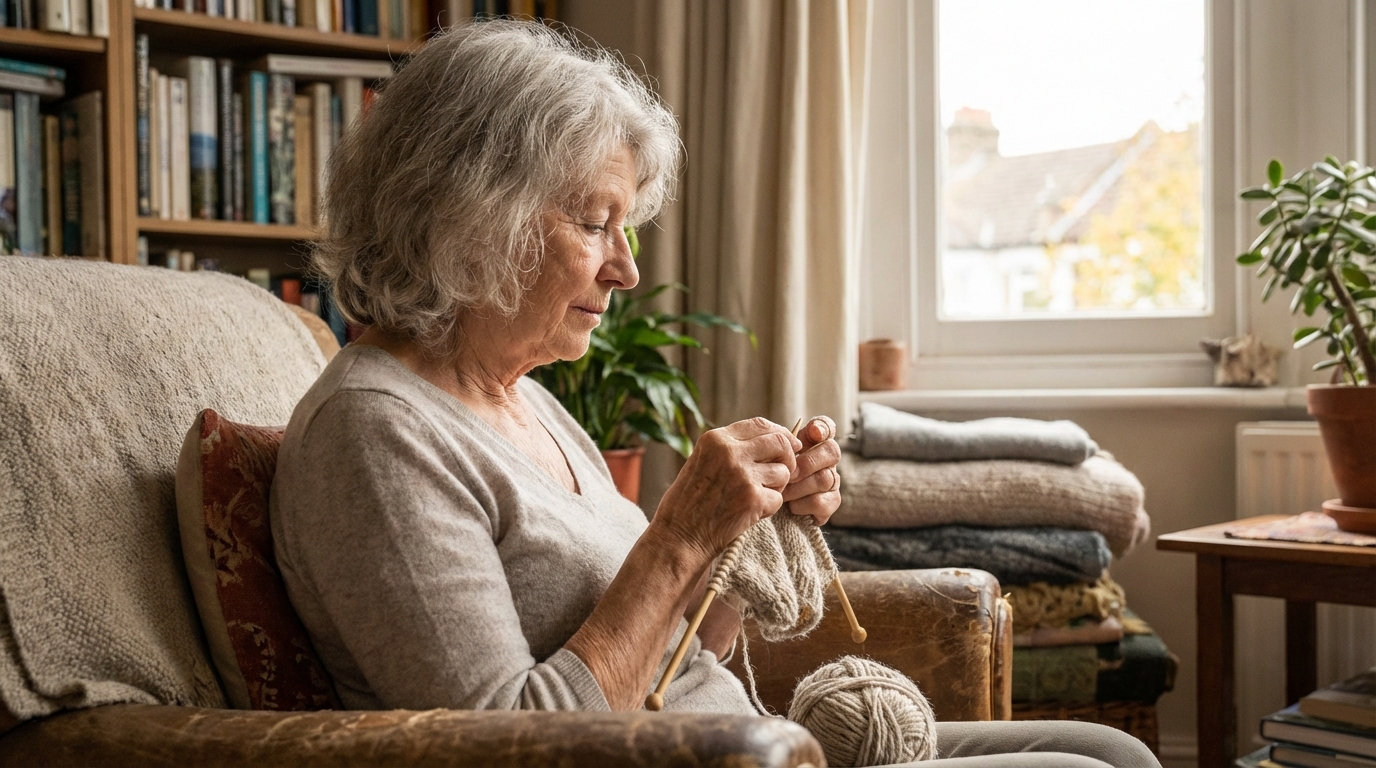
There is a quiet satisfaction that comes from working with the hands at an unhurried pace. In homes where crafts are part of daily life, progress often unfolds slowly, shaped by routine rather than urgency. Stitches build one by one. Wood is smoothed a little more each evening. Clay rests before it is shaped again. This gradual approach is not about delaying results. It is about allowing understanding, skill, and care to settle into the work in a lasting way.
Letting craft progress happen gradually is not a rule but a habit of attention. It grows from noticing how materials behave, how the body learns, and how patience protects both the work and the person doing it. In handcraft, speed can hide mistakes, while slowness brings them into view when they are still easy to correct. Over time, this approach leads to pieces that feel grounded, useful, and complete.
The Nature of Slow Progress in Handcraft
Handcraft involves more than producing an object. It is a conversation between hands, tools, and materials. Each part responds at its own pace. Yarn stretches only so far before losing shape. Wood resists cutting until the blade angle is right. Fabric settles differently after washing. Rushing through these steps often means missing the signals that guide good work.
Gradual progress allows time for observation. A person notices when hands tire, when attention fades, or when a step needs to wait until tomorrow. This waiting is not wasted time. It is part of the process. Materials change as they rest. The mind continues to solve problems quietly. Returning later often brings clearer judgment.
In many crafts, early stages set the foundation for everything that follows. Measuring, preparing, and practicing small motions may seem slow, but they prevent larger issues later. A crooked seam, an uneven edge, or a loose joint rarely fixes itself. Slow beginnings protect the integrity of the finished piece.
Why the Hands Learn Best Over Time
Skill in handcraft lives in the body as much as in the mind. Muscles remember movements through repetition, not explanation. This kind of learning cannot be rushed. When a task is repeated slowly and regularly, the hands grow confident. Motions become smoother. Pressure becomes more even. Mistakes lessen without conscious effort.
Fast work often forces the hands to tense. Tension leads to fatigue, and fatigue leads to errors. Slowing down keeps movements relaxed. This is especially important in crafts that require precision, such as embroidery, carving, or fine sewing. Relaxed hands respond better to subtle changes in material.
Gradual learning also protects against discouragement. When progress is measured in small, achievable steps, each session ends with a sense of completion. This encourages return. Long gaps caused by frustration can undo learning, while steady routines strengthen it.
Understanding Materials Through Patience
Every material has limits and preferences. Learning these takes time. Wool behaves differently in dry air than in damp. Fresh wood cuts differently than seasoned wood. Clay softens with warmth and stiffens as it dries. These changes cannot be mastered in a single afternoon.
Working slowly gives space to notice patterns. For example, a knitter may discover that yarn tightens after a break and needs a few rows to settle. A woodworker may learn that certain grains tear if cut too quickly. These lessons come from repeated, unhurried encounters.
Patience also allows materials to rest. Glue cures better when undisturbed. Fabric relaxes after pressing. Paint deepens as it dries. Allowing these pauses improves results without extra effort. The craft progresses even while the hands are still.
Routines That Support Gradual Crafting
Slow progress thrives in routine. A regular time, even a short one, builds momentum without pressure. Ten or fifteen minutes each day often leads to more consistent results than long, infrequent sessions. The work remains familiar. Tools stay arranged. The mind returns easily to the task.
A simple routine might include preparing the space before starting. Clearing the table, sharpening a tool, or laying out materials sets a calm tone. Ending the session with a small task, such as winding thread or wiping tools, makes the next start easier.
Routines also help manage energy. Crafting after a long day may require gentler tasks, like sorting pieces or reviewing patterns. More demanding steps can wait for times when focus is stronger. This respect for personal rhythms keeps the craft sustainable.
The Role of Small Corrections
When work progresses slowly, mistakes appear sooner and in smaller forms. A stitch slightly off line is easy to adjust. A measurement rechecked early saves material. These small corrections prevent the need for large fixes later.
Fast progress often hides errors until they are costly. Removing rows, unpicking seams, or re-cutting pieces can be discouraging. Slow progress reduces this risk by keeping each step visible and manageable.
Making corrections calmly also builds confidence. It reinforces the idea that mistakes are part of the process, not failures. Over time, this approach encourages careful work without fear.
How Gradual Progress Improves Quality
Quality in handcraft comes from consistency. Consistency develops through repetition done with care. When work is rushed, attention shifts to finishing rather than doing well. Gradual progress keeps attention on the present step.
Edges become cleaner when cut deliberately. Patterns align better when checked often. Surfaces smooth more evenly when sanded in stages. These details add up. The finished piece feels balanced and thoughtful.
There is also durability to consider. Joints that are fitted slowly tend to hold longer. Seams sewn with steady tension resist wear. Finishes applied in thin layers last longer than thick, hurried coats. Time invested early returns value over years of use.
Emotional Benefits of a Slower Pace
Handcraft often serves as a counterbalance to busy days. A slow pace turns the activity into a form of rest. The mind focuses on simple, repetitive motions. Worries quiet down. Breathing steadies.
This calm state supports better decisions. Colors are chosen with care. Measurements are double-checked without frustration. The craft becomes a place of steadiness rather than pressure.
Over time, this emotional steadiness becomes associated with the craft itself. Returning to the work brings comfort, even when progress is modest. The value lies as much in the process as in the outcome.
When Slow Progress Feels Difficult
There are moments when slow progress feels frustrating. A project may seem endless. Motivation may dip. These moments are natural. They often signal a need for adjustment rather than speed.
Breaking a project into smaller parts can help. Completing one sleeve, one panel, or one section creates a sense of movement. Changing tasks within the same project can also refresh attention.
Another helpful step is revisiting the purpose of the craft. Is it meant to be useful, calming, or simply enjoyable? Aligning the pace with that purpose often restores balance.
Knowing When to Pause
Pausing is an important part of gradual progress. Continuing when tired often leads to errors that undo earlier work. Learning to stop at the right moment protects both the project and the person.
Signs that a pause is needed include repeated mistakes, growing tension in the hands, or impatience with small details. Stopping at these moments preserves the quality of the work.
Pauses also allow for reflection. Looking at the piece after a break often reveals improvements or adjustments that were not obvious before. This fresh perspective is one of the quiet benefits of working slowly.
The Value of Finishing Without Rushing
The final stages of a craft project deserve as much care as the beginning. Finishing steps often determine how the piece feels in use. Edges are bound. Surfaces are sealed. Loose ends are secured.
Rushing through these steps can undermine earlier effort. A well-made object with poor finishing feels incomplete. Taking time here ensures that the piece functions well and lasts.
Gradual finishing also allows for testing. Trying a garment for comfort, opening and closing a box, or washing a textile once before final adjustments helps catch small issues. These tests refine the work.
Learning From Repetition Over Time
Craft skills deepen through repeated projects, not single achievements. Each project teaches something new. Working slowly allows these lessons to be noticed and remembered.
For example, repeating a simple pattern several times builds familiarity. Small improvements appear naturally. Tension evens out. Steps require less thought. This quiet improvement is easy to miss when moving too quickly from one challenge to another.
Over months and years, this repetition builds a personal understanding of the craft. Choices become intuitive. Problem-solving becomes calmer. This depth cannot be rushed.
Passing Care Into Everyday Objects
Objects made slowly often carry a sense of care that is felt in use. A mug shaped patiently fits the hand better. A blanket made over time drapes more evenly. These qualities come from attention, not speed.
Using such objects reinforces the value of gradual progress. Daily contact with well-made items reminds the household that patience produces comfort and reliability.
This connection between making and living strengthens respect for both the craft and the home. It encourages maintenance, repair, and thoughtful use.
Balancing Productivity and Presence
It is natural to want visible progress. Gradual crafting does not reject productivity. It simply defines it differently. Productivity becomes measured by consistency and care rather than speed.
A small amount of progress made attentively often surpasses large amounts made carelessly. Presence during the work leads to fewer setbacks and more satisfaction.
Finding this balance takes practice. It involves noticing when the desire to finish overtakes the quality of the work. Returning focus to the current step restores balance.
Allowing Projects to Take the Time They Need
Some projects demand more time than expected. Materials behave unpredictably. Designs evolve. Life interrupts. Allowing projects to take the time they need reduces stress.
Storing a project neatly during a pause keeps it accessible. Notes about the next step help with return. This approach respects both the craft and the realities of daily life.
Gradual progress accepts these pauses as part of the process rather than obstacles. The project remains alive, even when set aside.
Developing Trust in the Process
Trust grows from experience. After completing several projects slowly, confidence builds. There is less worry about falling behind or losing skill.
This trust allows for experimentation. Trying a new technique or material feels safer when the pace is unhurried. Mistakes become learning moments rather than setbacks.
Over time, this trust extends beyond the craft. It influences how other tasks are approached, with patience and steady effort.
Letting Craft Fit Naturally Into Home Life
Handcraft thrives when it fits naturally into daily routines. It does not need long, uninterrupted hours. It needs regular, respectful attention.
Keeping projects visible but orderly invites brief moments of work. A few stitches while waiting for water to boil. A quick sanding before evening rest. These moments add up.
This integration makes gradual progress feel natural rather than forced. The craft becomes part of the home’s rhythm, moving forward quietly, one careful step at a time.