
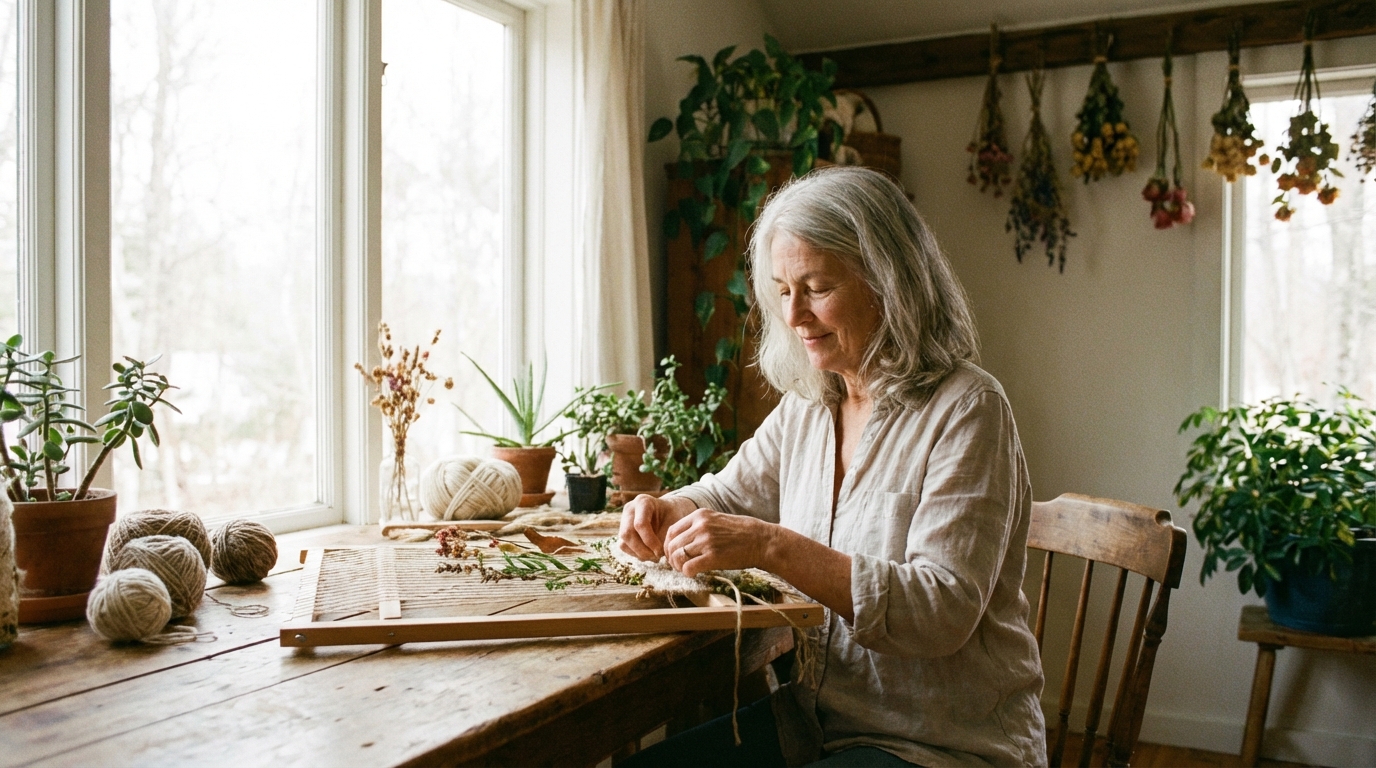
Some craft projects arrive with a clear picture and a tidy plan. Others begin as a simple idea and grow slowly, shaped by time, use, and small decisions made along the way. Allowing a project to unfold naturally means leaving space for this slower kind of progress. It means working with materials instead of pushing them, listening to how the project responds, and trusting that steady care often produces better results than rushing to finish.
This approach is not about being careless or unprepared. It is about understanding how hands-on work behaves in real homes, with interruptions, changing light, and days that do not always go as planned. When projects are allowed to develop over time, they often become more durable, more personal, and more satisfying to live with.
Why Some Projects Need Time
Many handcrafts involve materials that change as they are handled. Wood dries and relaxes. Fabric settles after cutting and stitching. Clay stiffens, then softens again when worked gently. Paint deepens in color as it dries. These changes are not problems to fix. They are part of how the work comes together.
Rushing through these stages often leads to small issues that grow later. A seam that looked fine when first sewn may pull once the fabric relaxes. A glued joint may shift if it is moved before it has truly set. Allowing time between steps lets materials reach a stable state before the next decision is made.
Time also gives the maker a chance to notice things that are easy to miss in the moment. A pattern may look balanced at night but feel uneven in morning light. A color choice may feel right one day and heavy the next. Stepping away allows the eyes and hands to return with better judgment.
The Difference Between Delay and Rest
There is a difference between avoiding a project and letting it rest. Avoidance comes with unease. Rest comes with a quiet sense that the work will be clearer later. Learning to tell the difference helps keep projects moving without forcing them.
A good sign that a project needs rest is when each next step feels uncertain or rushed. Another sign is when small mistakes begin to stack up. Stopping at this point often saves time later, even if it feels slow in the moment.
Starting with a Gentle Plan
Natural project growth still benefits from a basic structure. A gentle plan provides direction without locking every detail into place. This kind of planning focuses on sequence rather than outcome.
For example, a sewing project may begin with a plan to cut, baste, fit, then sew, without deciding every finishing detail at the start. A woodworking project may outline rough dimensions and joinery, leaving surface treatment for later. This allows choices to be made when the material is ready, not before.
Writing down a few key steps or sketching a loose outline can help keep the project grounded. The goal is not to predict every turn but to avoid feeling lost halfway through.
Choosing Materials That Allow Adjustment
Some materials are more forgiving than others. Beginning with these can make a slower approach easier. Natural fibers, hand-mixed finishes, and simple fasteners often allow changes and corrections without damage.
Materials that set instantly or resist adjustment may still have a place, but they require clearer decisions upfront. Understanding this helps match the pace of the project to the nature of the materials.
Working in Small, Complete Steps
Allowing a project to unfold naturally often means breaking work into small, complete steps. Each session has a beginning and an end, even if the overall project continues for weeks.
A complete step is one that can stand on its own. For instance, cutting all fabric pieces and pressing them flat is a complete step. Sanding a surface smooth and wiping it clean is another. These steps create visible progress without requiring a rush toward the finish.
This approach also makes it easier to return to the project after time away. When each stage is finished properly, there is less confusion about where to begin again.
Stopping Points That Protect the Work
Choosing good stopping points matters. Ending a session in the middle of a delicate step can lead to mistakes when work resumes. It is often better to pause after securing a seam, cleaning tools, or labeling parts.
Leaving a brief note about what comes next can also be helpful. This keeps the project clear in the mind and reduces the urge to rush when time is short.
Living with the Project as It Develops
When a project stays out in the home for a while, it becomes part of daily life. This can be useful if handled thoughtfully. Seeing the work regularly allows ideas to form naturally. A passing glance may reveal a better proportion or a simpler solution.
At the same time, it helps to keep the project tidy and protected. Dust, sunlight, and curious hands can alter materials in ways that are hard to reverse. A simple cover or designated shelf keeps the work safe while still present.
Living with a project also builds familiarity. Handling the same materials over time improves touch and confidence. This quiet learning is difficult to achieve in a single long session.
When Visibility Helps and When It Hinders
Some projects benefit from being visible, especially those involving color, balance, or fit within a room. Others may suffer from constant exposure, leading to impatience or unnecessary changes.
If a project begins to feel heavy or overthought, placing it out of sight for a few days can restore clarity. This simple change often reveals whether recent doubts are meaningful or just the result of too much attention.
Understanding Changes of Mind
It is common for ideas to shift as a project progresses. A detail that once felt essential may lose importance. Another may quietly grow more central. Allowing these changes does not mean the original idea was wrong. It means the project is responding to real conditions.
Changes of mind often come from handling the work rather than thinking about it. The weight of a piece, the way light falls on it, or how it feels in use can all suggest adjustments that were impossible to predict at the start.
Recognizing which changes improve function or comfort, and which are simply reactions to fatigue, is an important skill. Taking a short break before making major alterations can help separate the two.
Keeping Early Decisions Flexible
Early decisions should be strong enough to guide the work but flexible enough to adapt. This might mean using temporary stitches, test finishes, or dry fits before committing.
These small allowances can prevent regret and reduce pressure. They also encourage careful observation, which is at the heart of natural project development.
Tools as Part of the Rhythm
Tools play a quiet role in how a project unfolds. Clean, well-maintained tools make it easier to stop and start without trouble. Dull or cluttered tools add friction and encourage rushing just to get through a task.
Taking a moment to clean a brush, oil a hinge, or sharpen a blade is not separate from the project. It is part of it. These actions mark natural pauses and help maintain a steady pace.
Returning tools to the same place each time also builds rhythm. When everything is where it should be, beginning again feels simple rather than daunting.
Letting Tools Rest
Some tools benefit from rest just as materials do. Glue guns, irons, and heated tools perform more consistently when allowed to cool fully between uses. Ignoring this can lead to uneven results or wear.
Understanding the needs of tools reduces frustration and supports a slower, more reliable workflow.
Responding to Mistakes with Care
Mistakes are easier to address when projects move at a natural pace. When time has been taken between steps, it is often clear where something went wrong and why.
Quick work can hide the source of a problem, making fixes more complicated. Slower work leaves a clearer trail of decisions, which helps guide repairs.
Not every mistake needs to be corrected. Some add strength or character. Learning which ones matter comes from experience and from seeing how the project behaves over time.
Testing Before Correcting
Before undoing or redoing a section, it helps to test a small adjustment. This might mean pinning instead of sewing, taping instead of gluing, or sketching an alternative line.
Testing protects the work and supports thoughtful decisions. It also reinforces the habit of patience.
Seasonal and Daily Rhythms
Craft work often aligns naturally with seasons and daily routines. Light, temperature, and energy levels all influence how work feels and how materials respond.
Some tasks are better suited to bright daylight, while others benefit from quiet evening hours. Heavy work may feel easier in cooler weather. Fine detail work may suit calm mornings.
Allowing projects to adjust to these rhythms can improve both quality and enjoyment. Forcing work into unsuitable times often leads to strain and errors.
Using Short Windows Well
Natural project development does not require long stretches of free time. Short, regular sessions can be very effective if they focus on a single, clear task.
Preparing the workspace so it can be opened and closed easily supports this. When setup and cleanup are simple, even brief windows can be productive.
Knowing When a Project Is Finished
One challenge of letting projects unfold is recognizing when they are complete. Without a fixed endpoint, it can be tempting to keep adjusting small details.
A project is often finished when further changes do not clearly improve its use or durability. If adjustments are mostly about personal doubt rather than function, it may be time to stop.
Living with the finished piece for a while often confirms this. Small imperfections tend to fade into the background once the object becomes part of daily life.
Accepting the Work as It Is
Accepting a finished project does not mean ignoring its flaws. It means recognizing that every hand-made item reflects the time and conditions in which it was made.
This acceptance supports future projects as well. Each completed piece builds quiet confidence and a deeper understanding of how to let the next one grow at its own pace.
Passing Time as a Tool
Time is often seen as an obstacle in craft work, but it can be one of the most useful tools available. Time reveals weaknesses, confirms strengths, and softens sharp edges, both literal and figurative.
By allowing projects to unfold naturally, time is given room to do its work. The result is often a piece that feels settled, thoughtful, and well-suited to its place in the home.
This way of working values care over speed and understanding over control. It fits easily into everyday routines and supports a steady, grounded approach to making things that last.