
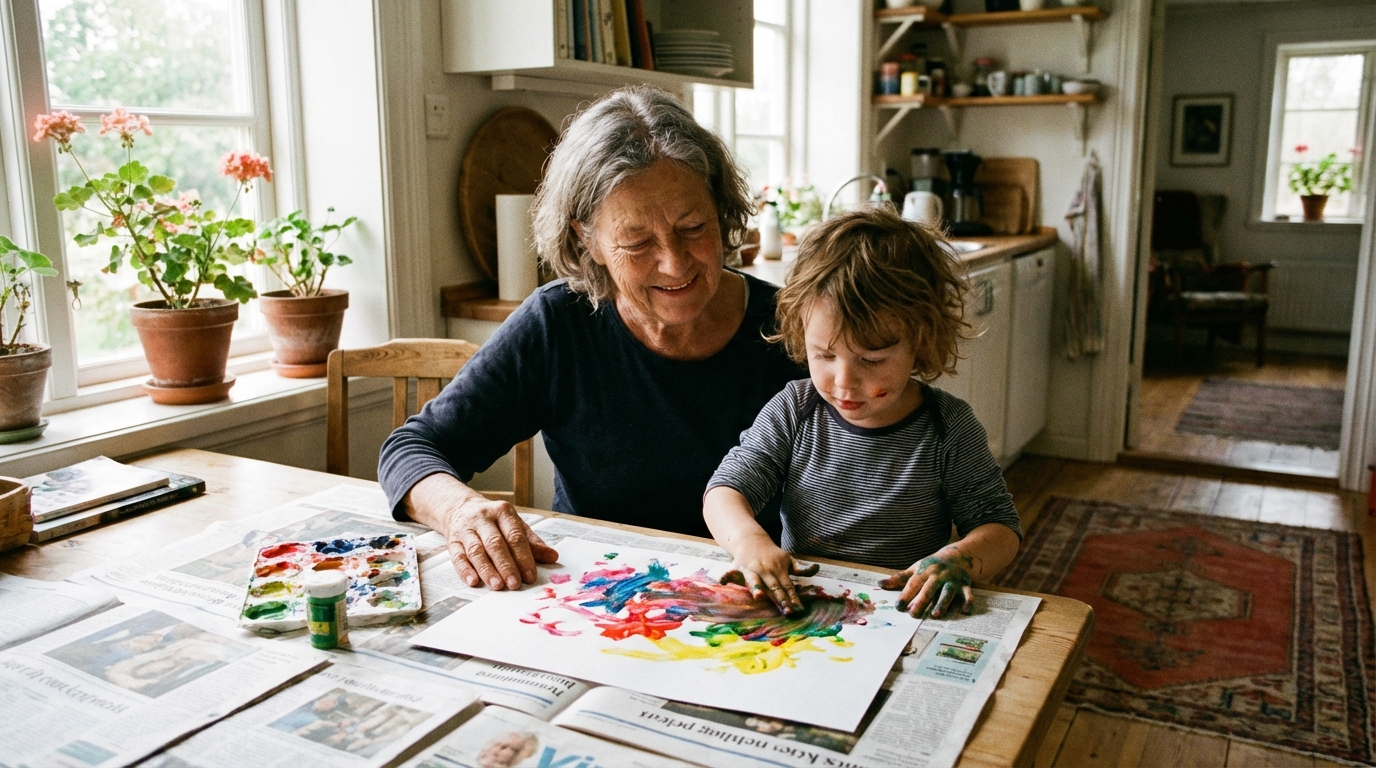
In many homes, crafting is woven into daily life as naturally as setting the table or folding laundry. Paper scraps find their way into jars, buttons wait patiently in tins, and yarn rests in quiet loops, ready for hands to explore. When children join these moments, the pace of the work changes. The room grows softer. Time stretches. The focus shifts from finishing to experiencing. Allowing children to set the rhythm of crafting is not about lowering standards or giving up structure. It is about understanding how learning, enjoyment, and care unfold when hands and minds move together.
Crafting alongside children asks for a different kind of attention. It asks for patience that listens rather than directs, and for routines that bend without breaking. The work still gets done, but it moves according to curiosity instead of the clock. This approach brings surprising rewards, both for the quality of the finished piece and for the calm that settles into the room.
Understanding Rhythm in Handcraft
Every craft has its own rhythm. Knitting follows the quiet repetition of loops. Drawing moves in pauses and bursts. Cutting paper asks for steady hands and careful stops. Children sense these rhythms instinctively, but they explore them in their own way. Their pace may seem uneven at first. They may linger on one step and rush another. This is not a problem to correct. It is information.
When a child slows down, it often means something new is being understood. Fingers are learning how much pressure to use. Eyes are measuring space. The mind is deciding what comes next. Speed at this moment would interrupt learning. When a child speeds up, it may signal confidence or excitement. Letting that energy flow keeps interest alive.
Following this rhythm helps prevent frustration. Many crafting struggles begin when the pace is set by an adult expectation rather than by the hands doing the work. A project that feels rushed can become tense. A project allowed to unfold naturally tends to hold attention longer and ends with a sense of satisfaction.
Setting the Space Before Setting the Pace
A calm crafting pace starts before any materials are touched. The space itself can either invite patience or push toward hurry. A cluttered table, a ticking clock, or a tight schedule all send the message that time is short. A clear surface and a settled moment suggest that there is room to explore.
Choosing the right time of day matters. Crafting fits best into moments that already feel unhurried. After a meal when the room is quiet, or during a long afternoon stretch, hands are more willing to linger. Trying to fit a craft into a narrow window often leads to rushed work and disappointment.
Materials should be prepared in advance, but not over-organized. Too many options can overwhelm. Too few can limit creativity. A small, thoughtful selection allows children to make decisions without feeling pressured. This preparation supports their rhythm rather than controlling it.
Simple Ways to Prepare the Space
- Clear enough room so materials can spread without crowding.
- Place tools where they are easy to reach without asking.
- Use containers that open easily and stay open.
- Set aside enough time that stopping early is a choice, not a necessity.
These small details reduce interruptions. Each interruption pulls attention away from the work and resets the rhythm. A smooth setup allows the pace to develop naturally.
Why Slower Often Means Better
In handcraft, speed is rarely the goal. A slow pace allows for noticing. Children see how glue behaves when applied thickly or thinly. They observe how paper tears differently when pulled quickly versus slowly. These observations become quiet lessons that last longer than spoken instructions.
Slowness also leaves room for correction without discouragement. When a stitch goes wrong or a line curves unexpectedly, there is time to consider what happened. Rushing past mistakes teaches avoidance. Moving slowly teaches adjustment.
There are moments when a child may stop entirely, hands resting, eyes drifting. This pause is part of the rhythm. It often means ideas are settling. Allowing this pause without filling it with suggestions respects the internal process at work.
Listening With the Eyes and Hands
Following a child’s crafting pace requires a different kind of listening. Words offer only part of the story. The way hands move, the pressure of a grip, and the angle of a head all speak clearly. Watching these details reveals when help is needed and when space is better.
Offering help too quickly can interrupt concentration. Waiting too long can lead to frustration. The balance lies in noticing small signals. A tightened jaw may mean a tool is difficult to manage. A sigh may mean expectations are higher than skills allow at that moment.
When assistance is needed, matching the child’s pace matters. Demonstrating slowly, step by step, allows the lesson to be absorbed. Moving too quickly, even with good intentions, can create a gap between what is seen and what can be done.
Choosing Projects That Respect Natural Pace
Not every craft suits every rhythm. Some projects demand precision and patience that may not align with a child’s current interests. Selecting work that fits their natural pace increases enjoyment and success.
Open-ended projects tend to work well. Activities like collage, simple sewing, or modeling allow for pauses and changes without ruining the result. Projects with rigid steps or exact outcomes can feel restrictive if the pace does not match.
It helps to think in terms of process rather than product. A craft does not need to be finished in one sitting to be valuable. Leaving work out to return to later teaches that effort can be spread over time.
Project Qualities That Support a Gentle Pace
- Flexible outcomes that welcome variation.
- Steps that can be paused and resumed easily.
- Materials that tolerate handling and reworking.
- Room for personal decisions at each stage.
These qualities reduce pressure and allow the rhythm to stay steady rather than forced.
When Energy Shifts Mid-Project
Children’s energy can change quickly. A craft that began calmly may suddenly speed up, or interest may fade without warning. This shift does not mean the activity failed. It means the rhythm has changed.
When energy rises, it may help to allow a short burst of fast work. Cutting, tearing, or bold painting can release excitement. Afterward, the pace often settles again. Trying to slow this moment too soon can create resistance.
When energy drops, it may be time to pause. Covering materials or placing work on a shelf shows respect for the effort already made. It also teaches that unfinished work is not a problem. Returning later with fresh attention often leads to better results.
The Role of Routine in Creative Calm
Routine provides a quiet structure that supports creativity. When crafting happens at a familiar time or place, children know what to expect. This predictability reduces restlessness and allows focus to come more easily.
Routine does not mean repetition of the same project. It means repeating the conditions that support calm work. The same table, the same gentle start, and the same unhurried tone signal that this is a safe space to explore.
Over time, children learn to settle into this rhythm on their own. They begin to prepare mentally as well as physically. This independence grows naturally when the pace has been respected from the beginning.
Explaining Without Taking Over
Sharing knowledge during crafting is valuable, but timing and tone matter. Explanations work best when they respond to a question or a visible challenge. Offering too much information at once can overwhelm.
Short, clear explanations fit a gentle pace. Showing how to thread a needle slowly, or how to hold scissors at a certain angle, gives enough guidance without crowding the experience. Letting the child try immediately helps the lesson settle.
It is also helpful to explain why something works. Understanding that a knot holds better when pulled evenly, or that paint dries darker when thick, builds practical knowledge. These explanations feel less like rules and more like shared discoveries.
Accepting Imperfect Results
Crafting with children rarely produces uniform results. Lines wobble. Colors mix unexpectedly. Pieces may not match the original idea. Accepting these outcomes is part of honoring the pace.
Perfection requires control, and control often speeds things up in ways that bypass learning. Allowing imperfections keeps the focus on the experience rather than the result. It also teaches that usefulness and beauty are not limited to flawless work.
Displaying or using finished pieces as they are reinforces this lesson. A slightly uneven bowl can still hold small items. A crooked card can still be given with pride. These uses show that effort matters more than polish.
How Patience Is Learned Through Doing
Patience is not taught through reminders. It is learned through experience. When children are allowed to work at their own pace, they feel the natural consequences of rushing or lingering. Glue that smears teaches waiting. Yarn that tangles teaches slowing down.
These lessons settle more deeply when discovered firsthand. Gentle guidance supports the process, but the rhythm of the work carries the lesson forward. Over time, children begin to anticipate the need for patience without being told.
Sharing the Work Without Directing It
Crafting together does not require working on the same piece. Sometimes the best way to support a child’s pace is to work quietly alongside them. This shared activity creates companionship without comparison.
When adults focus on their own hands, the pressure to perform eases. Children sense that the space is about doing, not watching. Questions and conversation arise naturally, without interrupting the flow.
This side-by-side approach also models steady work. Children observe how problems are handled calmly and how time is taken where needed. These observations influence their own rhythm more effectively than instructions.
Knowing When to Step Back
There are moments when the most supportive action is to step back entirely. When a child is deeply engaged, interruptions can break concentration. Trusting the process means allowing silence.
Stepping back also means accepting that the work may not follow an adult plan. A project may change direction or end earlier than expected. These outcomes reflect genuine engagement rather than failure.
Keeping a watchful but relaxed presence ensures safety while honoring independence. This balance builds confidence and allows the crafting pace to remain true.
The Long View of Everyday Crafting
Allowing children to set the crafting pace shapes more than a single afternoon. It builds habits of attention, care, and persistence that extend into daily life. These habits grow quietly, supported by routine and respect.
Over time, children learn to trust their hands and judgment. They become comfortable with both slow progress and sudden inspiration. Crafting becomes a place of calm rather than pressure.
This approach fits naturally into home life. It does not require special tools or elaborate plans. It asks only for time, patience, and a willingness to follow the rhythm already present in small hands at work.