
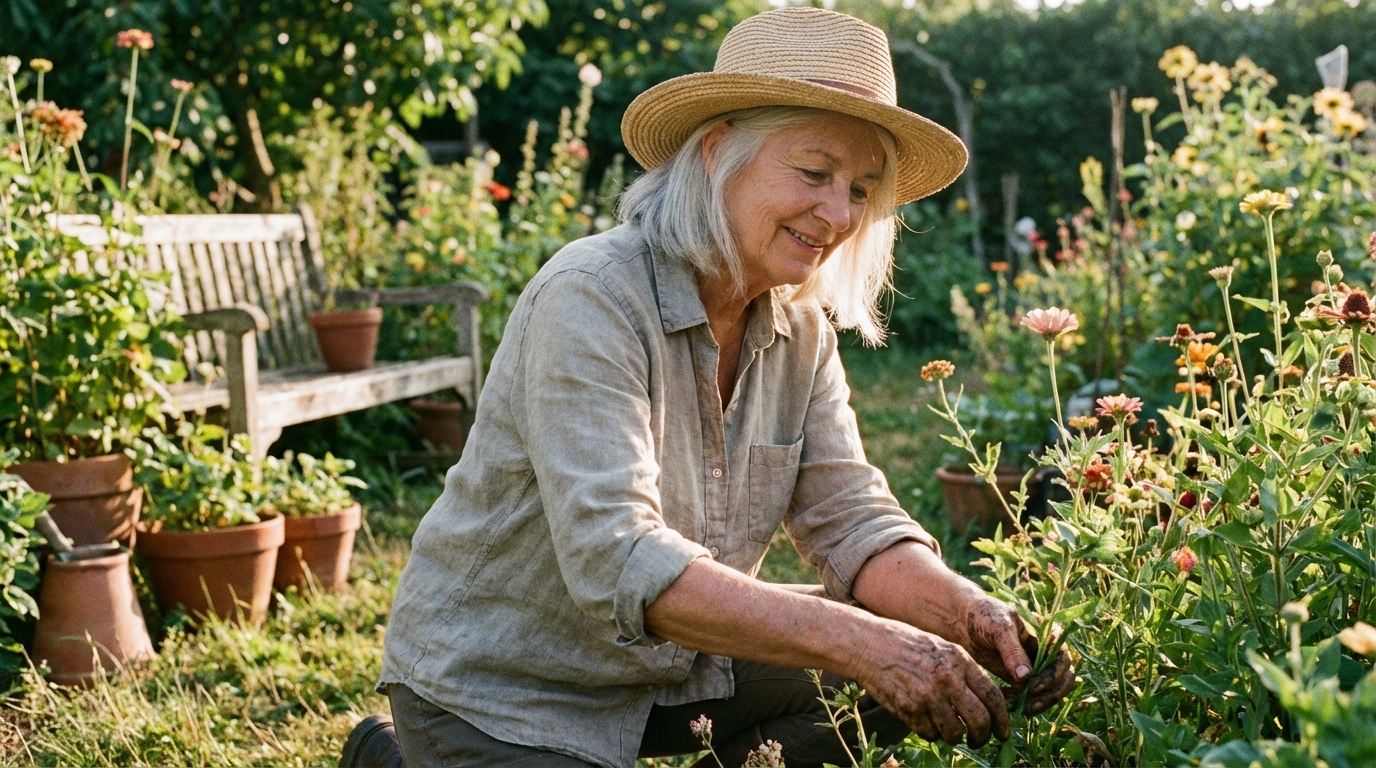
In many homes, the garden is not a separate project but an extension of daily life. It sits quietly outside the kitchen door or along the fence, responding not to calendars but to light, moisture, and care. When gardening is approached as a fixed schedule, frustration often follows. Plants do not recognize weekends, holidays, or ideal planting dates printed on seed packets. They respond to conditions as they are, not as planned.
Letting nature set the schedule means learning to observe before acting. It is not about doing less, but about doing things at the right time. This approach creates steadier growth, fewer problems, and a calmer relationship with the garden. Over time, it also builds habits that feel natural and sustainable, rather than rushed or demanding.
Why Rigid Schedules Often Work Against the Garden
Many gardening guides suggest specific dates for planting, watering, pruning, or harvesting. While these dates are useful references, they are based on averages. Weather, soil, and sunlight vary from yard to yard and year to year. When tasks are done by the calendar instead of by observation, plants may struggle even when care is well intentioned.
A rigid schedule can cause common problems:
- Seeds planted into soil that is still cold or waterlogged may rot instead of sprout.
- Plants watered on a fixed timetable may develop shallow roots or show signs of stress.
- Pruning done too early or too late can reduce flowering or invite disease.
Nature does not hurry to meet deadlines. It moves in response to temperature, daylight length, and moisture levels. When gardening routines follow these signals, plants grow more evenly and recover more easily from stress.
Learning to Read the Garden’s Signals
Every garden communicates its needs through small, visible changes. Learning to notice these signs takes patience at first, but soon becomes second nature.
Soil as the First Guide
Soil condition is one of the clearest indicators of readiness. Instead of checking a date, it helps to feel the soil with bare hands. Soil that crumbles easily and feels cool but not wet is usually ready for planting. Soil that clumps tightly or leaves water on the surface often needs more time to dry and warm.
Working soil that is too wet compresses air pockets, which roots need to breathe. Waiting a few extra days can make the difference between slow growth and strong establishment.
Plant Behavior as Feedback
Plants respond quickly to their environment. Leaves may tilt toward light, curl to reduce moisture loss, or deepen in color when nutrients are balanced. These behaviors are not problems to fix immediately but messages to interpret.
For example, slight drooping in the heat of the afternoon does not always mean a plant needs water. Many plants relax their leaves during peak heat and recover on their own as temperatures cool. Watering at that moment can oversaturate roots. Observing whether the plant rebounds in the evening provides better guidance.
Weather Patterns Over Forecasts
Short-term forecasts are helpful, but longer patterns matter more. A single warm day does not mean winter has ended, just as one cool evening does not signal the start of fall. Watching how temperatures behave over a week or two offers a clearer picture.
Gardening by pattern rather than prediction reduces damage from sudden changes. It encourages waiting for stability instead of reacting to every shift.
Flexible Timing Creates Stronger Plants
Plants that are introduced to the garden gradually and at the right moment adapt better. This is especially true when moving plants from sheltered conditions into open ground.
Understanding the Purpose of Hardening
Hardening is the process of slowly adjusting plants to outdoor conditions. It is not about exposure alone, but about pacing. Leaves grown indoors or in protected spaces are thinner and more sensitive to sunlight and wind.
A flexible approach allows hardening to match actual conditions. On calm, overcast days, plants can stay outside longer. On windy or bright days, shorter exposure prevents stress. Following a fixed number of days regardless of weather can undo weeks of careful growing.
Watching for Signs of Readiness
Plants ready for longer outdoor stays show certain traits:
- Stems feel firm rather than soft.
- New growth appears after brief outdoor exposure.
- Leaves hold their color without fading or spotting.
If these signs appear sooner than expected, the schedule can move forward. If not, waiting a few more days prevents setbacks.
Watering Based on Need, Not Habit
Watering is often treated as a daily chore, but water needs change constantly. Rainfall, temperature, wind, soil type, and plant size all affect how quickly moisture is used.
Why Overwatering Is More Common Than Underwatering
Soil that stays consistently wet limits oxygen to roots. This can slow growth, invite disease, and reduce a plant’s ability to withstand heat. Overwatered plants may look wilted, leading to even more watering and further stress.
Allowing the top layer of soil to dry slightly between waterings encourages roots to grow deeper, where moisture remains more stable.
Simple Ways to Check Moisture
Instead of relying on a set schedule, checking moisture directly provides better results:
- Insert a finger a few inches into the soil. If it feels dry at that depth, watering is helpful.
- Lift containers to feel their weight. Light pots usually need water.
- Observe leaf texture. Firm, flexible leaves often indicate adequate moisture.
These checks take little time and prevent unnecessary watering.
Pruning When Plants Are Ready
Pruning is often done to shape plants or encourage growth, but timing matters more than technique. Cutting too early can remove buds before they form. Cutting too late can stress the plant when energy is already shifting.
Letting Growth Patterns Lead
Instead of pruning on a set date, watching how a plant grows provides better guidance. When new shoots appear below old growth, the plant is actively growing and can recover more easily from pruning.
For flowering plants, waiting until blooms fade naturally allows the plant to complete its cycle. This supports stronger flowering the following season.
Weather Matters More Than the Calendar
Dry, mild days are better for pruning than damp or extreme conditions. Moisture on fresh cuts can invite disease, while heat can stress exposed tissue. Waiting for suitable weather protects the plant even if it means delaying the task.
Harvesting at the Right Moment
Harvest time is another place where flexibility matters. Picking too early can reduce flavor and yield. Waiting too long can attract pests or reduce quality.
Using Touch and Appearance
Many fruits and vegetables signal readiness through subtle changes:
- Color deepens or shifts.
- Skin texture becomes smoother or slightly dull.
- The produce releases easily from the plant.
Tasting a small sample can also guide future harvests. Flavor often improves with patience.
Staggered Harvesting for Ongoing Growth
Harvesting a little at a time encourages continued production. Removing mature produce frees energy for new growth. This approach works best when the garden is checked regularly rather than harvested all at once on a fixed day.
Daily Garden Walks as a Routine
One of the simplest habits is a short walk through the garden each day. This is not a work session, but a moment of observation.
What to Notice During a Walk
Looking closely reveals early signs of change:
- Leaves with small holes may indicate early pest activity.
- Yellowing at the base of plants can signal nutrient shifts.
- Dry soil near the surface shows where water reaches first.
Noticing these details early allows for small adjustments rather than large corrections later.
Why Consistency Matters More Than Duration
Five minutes each day is more effective than an hour once a week. Regular observation builds familiarity, making it easier to recognize when something is different. This familiarity supports better timing and fewer surprises.
Accepting Seasonal Variability
No two seasons are the same. Some years bring early warmth, others linger in cool, damp conditions. Flexibility allows the garden to adapt without stress.
Adjusting Expectations
Yield, timing, and appearance may shift from year to year. Accepting this variability reduces pressure and encourages problem-solving rather than disappointment.
When a crop struggles one season, the cause often lies in weather patterns beyond control. Adjusting planting times or varieties the following year based on observation is more effective than forcing a fixed plan.
Keeping Simple Records
Brief notes about planting times, weather conditions, and outcomes help guide future decisions. These records do not need to be detailed. Even a few observations can reveal patterns over time.
Matching Tasks to Energy and Conditions
Gardening fits best into daily life when tasks are matched to available energy and suitable conditions. Some days invite heavy work; others are better for light care.
Breaking Work Into Small Actions
Instead of setting aside long blocks of time, small tasks can be done as conditions allow:
- Weeding after rain, when soil is loose.
- Watering early in the morning, when absorption is highest.
- Mulching on calm days, when materials stay in place.
This approach reduces strain and makes use of natural advantages.
Rest as Part of the Routine
Resting the garden is as important as working it. Allowing soil to settle after planting, giving plants time to adjust, and stepping back during extreme weather all support long-term health.
Flexibility includes knowing when not to act.
Building Trust Through Patience
Over time, a flexible approach builds trust in natural processes. Problems are met with observation first, action second. This order prevents overcorrection and supports steady growth.
Patience does not mean neglect. It means allowing enough time for changes to take effect before adding more adjustments.
How Flexibility Supports Long-Term Care
Gardens tended with flexibility often require fewer interventions. Healthy soil retains moisture better. Plants adapted gradually resist pests and disease more effectively. These benefits compound over time.
By letting nature set the schedule, the garden becomes a place of steady rhythm rather than constant urgency. Tasks align with conditions, and care feels purposeful instead of pressured.
Living With the Garden, Not Against It
A garden thrives when it is treated as a living system rather than a checklist. Flexibility allows routines to form naturally around observation, response, and care.
This way of gardening fits easily into everyday home life. It respects both the needs of the plants and the pace of daily routines. Over time, it creates a quiet confidence that comes from knowing when to act and when to wait.