
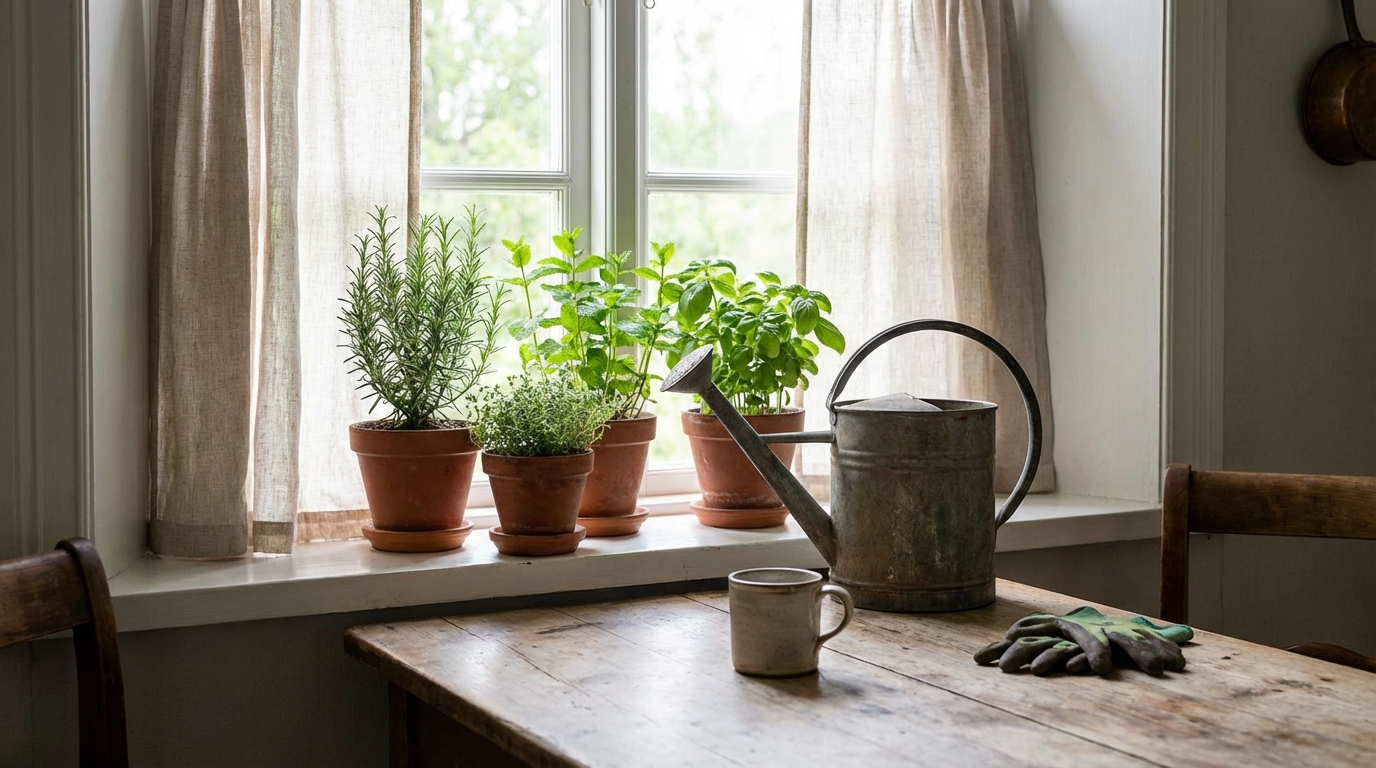
There is a quiet steadiness that comes from letting outdoor work shape the hours of the day. A garden does not rush. It responds to light, temperature, moisture, and time. When daily routines follow those same signals, the day often feels more settled. Tasks fall into place with less strain, and there is a clearer sense of when to begin, pause, and stop.
Outdoor care has long served as a practical guide for daily rhythm. Not because it demands constant attention, but because it rewards patience and steady observation. The soil, the leaves, and the weather offer clear feedback. When these cues are respected, work becomes more efficient, and rest comes more naturally.
Letting the garden guide daily rhythm does not mean arranging life around constant labor. It means allowing outdoor tasks to inform the pace of indoor ones. It is a way of aligning effort with natural limits, rather than pushing through them.
Morning Light and the First Tasks
The earliest hours of the day offer a kind of clarity that does not last. Light is softer, air is cooler, and plants are less stressed. This is not simply a pleasant time to be outside; it is when many tasks are most effective.
Watering in the morning allows moisture to reach roots before heat increases evaporation. Leaves dry more quickly, reducing the chance of mildew or disease. The soil absorbs water evenly, rather than shedding it as runoff. These details matter because they reduce the need for corrective work later.
Morning is also the best time for simple inspection. A quick walk through the garden reveals changes that might be missed later. Leaves droop overnight for different reasons than they do in the afternoon. Early signs of pests are easier to spot before the heat drives them into hiding. This brief check-in often takes less than ten minutes, yet it can prevent larger problems.
When outdoor tasks begin the day, indoor routines often follow more smoothly. After tending to what needs early attention, breakfast, cleaning, or planning the rest of the day feels less scattered. The mind has already settled into a purposeful rhythm.
Why Morning Work Feels Lighter
Physical effort often feels easier in the morning because the body is not yet carrying the fatigue of the day. Muscles are cooler, and attention is sharper. Garden work that requires bending, lifting, or careful observation benefits from this state.
There is also a psychological ease. Completing a small but meaningful task early creates a sense of progress without urgency. This reduces the pressure to rush later tasks, making the entire day feel more manageable.
Midday Pauses and Gentle Maintenance
As the sun rises higher, the garden signals a natural slowing. Leaves turn to avoid direct light. Soil surfaces dry. In many climates, this is not the time for heavy work. Respecting this pause is part of letting the garden set the pace.
Midday is better suited to lighter tasks that do not disturb roots or stress plants. Sorting seeds, cleaning tools, or preparing materials for later work fits this period well. These tasks support the garden without interfering with its need for rest.
Indoors, this often aligns with quieter routines. Meal preparation, mending, or administrative work can happen while the outdoor space rests. This balance prevents overexertion and keeps energy evenly distributed throughout the day.
Understanding Plant Stress Signals
Plants show stress in ways that are easy to overlook. Wilting at midday does not always mean a lack of water. Often, it is a protective response to heat. Watering at this time can cool the surface briefly but may not reach deeper roots.
Learning to read these signals prevents unnecessary intervention. It also teaches patience. Not every sign of strain requires immediate action. Sometimes, the best response is to wait until conditions improve.
Afternoon Tasks That Prepare for Tomorrow
As the heat begins to soften, the garden becomes receptive again. Late afternoon is a good time for tasks that set up the next day. Light pruning, harvesting, or adjusting supports can be done without shocking plants.
Harvesting at this time often yields better results. Fruits and vegetables have had the day to develop sugars and moisture, but are not yet losing quality to evening dampness. This timing improves both flavor and storage life.
These tasks naturally encourage planning. What needs attention tomorrow? Which plants are nearing a turning point? This gentle forward-looking habit reduces last-minute work and spreads effort evenly across the week.
Why Preparation Matters More Than Speed
Rushing garden work often leads to repeated effort. A hurried harvest misses damaged produce. A quick pruning cut made without care can invite disease. Taking a few extra moments to do tasks properly saves time in the long run.
This principle carries into household routines. Preparing ingredients before cooking, setting out clothes for the next day, or organizing tools after use mirrors the same thoughtful approach.
Evening Observation and Closure
Evening light reveals different details. Shadows lengthen, highlighting uneven growth or structural issues. Insects emerge, offering clues about the garden’s balance. This is not a time for heavy work, but for observation.
A slow walk through the garden in the evening provides closure to the day. It marks a clear end to active tasks. This boundary helps prevent overworking and supports better rest later.
Noticing how the garden settles for the night encourages a similar rhythm indoors. Lights are lowered, activities quiet, and the pace naturally slows.
The Value of Ending the Day Gently
Ending the day with calm observation rather than urgent action trains attention to shift smoothly into rest. The body recognizes this pattern and responds with improved sleep and recovery.
This habit also builds familiarity with the garden’s normal state. Changes stand out more clearly when there is a consistent baseline for comparison.
Seasonal Shifts and Adjusting Routine
Daily rhythm is not fixed. It changes with the seasons, and the garden makes this clear. Shorter days compress tasks. Longer days allow more flexibility. Temperature and moisture patterns shift, and routines must adapt.
In cooler months, midday may be the most comfortable time for outdoor work. In warmer seasons, early morning and evening take priority. Paying attention to these shifts prevents strain and keeps work aligned with natural conditions.
Seasonal adjustment also affects indoor routines. Heating, ventilation, and food preparation follow similar patterns. When outdoor work leads, these changes feel intuitive rather than disruptive.
Planning With the Season, Not Against It
Attempting to maintain the same schedule year-round often leads to frustration. The garden cannot be forced into uniformity. Accepting seasonal variation allows routines to remain steady in purpose, even as timing changes.
This approach reduces burnout and supports consistent care without excessive effort.
Small Daily Actions That Add Up
Letting the garden guide daily rhythm does not require large blocks of time. In fact, small daily actions are more effective than occasional intensive work.
- Removing a few weeds each day prevents deep rooting.
- Checking moisture levels regularly avoids overwatering.
- Turning compost lightly keeps it active without disruption.
- Adjusting ties or supports prevents damage as plants grow.
These actions take minutes, yet they maintain balance. They also fit easily into daily routines without feeling burdensome.
Why Consistency Outperforms Effort
Plants respond best to steady conditions. Sudden changes, even well-intentioned ones, can cause stress. Consistent care maintains equilibrium, reducing the need for corrective measures.
This principle applies broadly. Regular tidying prevents clutter. Routine maintenance avoids repairs. The garden offers a clear example of how consistency supports stability.
Learning Through Repetition
Daily interaction with the garden builds understanding that cannot be gained from instructions alone. Patterns emerge through repetition. The same task performed under different conditions teaches more than any single effort.
Over time, there is a growing sense of what feels right. Soil texture, leaf color, and growth rate become familiar. Decisions are made with greater confidence and less second-guessing.
This learning process is slow by nature. It rewards attention rather than speed.
Patience as a Practical Skill
Patience is often thought of as passive, but in the garden it is active. It involves waiting while observing, adjusting gently, and allowing processes to unfold.
Developing this skill improves judgment. It reduces unnecessary intervention and builds trust in natural cycles.
When the Garden Demands Attention
There are times when the garden requires immediate action. Sudden weather changes, pest outbreaks, or structural failures cannot wait. Recognizing these moments is part of the rhythm.
Urgent tasks stand out clearly against the backdrop of routine care. Because daily maintenance is steady, true emergencies are easier to identify and address.
Responding promptly in these cases prevents larger disruptions later.
Balancing Flexibility With Routine
A routine should support flexibility, not eliminate it. When the garden signals a need, routines adjust temporarily. Once the issue is resolved, the regular rhythm resumes.
This balance keeps care responsive without becoming chaotic.
Indoor Life Reflecting Outdoor Pace
As outdoor tasks shape the day, indoor life often follows. Meals align with work periods. Cleaning and organizing fit into natural pauses. Rest feels earned rather than forced.
This alignment reduces friction between tasks. There is less sense of competing demands and more of a continuous flow.
Over time, the household settles into a rhythm that feels both purposeful and calm.
Why Alignment Matters
When activities are mismatched to energy levels, fatigue increases. Working against natural cues requires extra effort. Aligning tasks with the garden’s rhythm conserves energy and improves focus.
This approach supports long-term sustainability in daily life.
Quiet Lessons From Repeated Seasons
Year after year, the garden offers the same lessons with slight variations. What worked once may need adjustment. What failed may succeed under different conditions.
Paying attention to these patterns builds resilience. Expectations become realistic. Success is measured by steady care rather than constant yield.
This perspective fosters satisfaction rooted in process rather than outcome.
Accepting Imperfection
No garden is flawless. Losses occur. Weather intervenes. Recognizing this reduces unnecessary self-criticism and encourages practical responses.
Acceptance does not mean neglect. It means working within limits and appreciating progress as it comes.
The Garden as a Daily Reference Point
Ultimately, letting the garden guide daily rhythm is about using a reliable reference point. The garden does not argue or demand. It responds predictably to care and conditions.
By checking in with this steady presence each day, routines gain structure without rigidity. The pace becomes measured, grounded, and adaptable.
In this way, outdoor tasks do more than maintain plants. They quietly shape the flow of daily life, one small action at a time.