
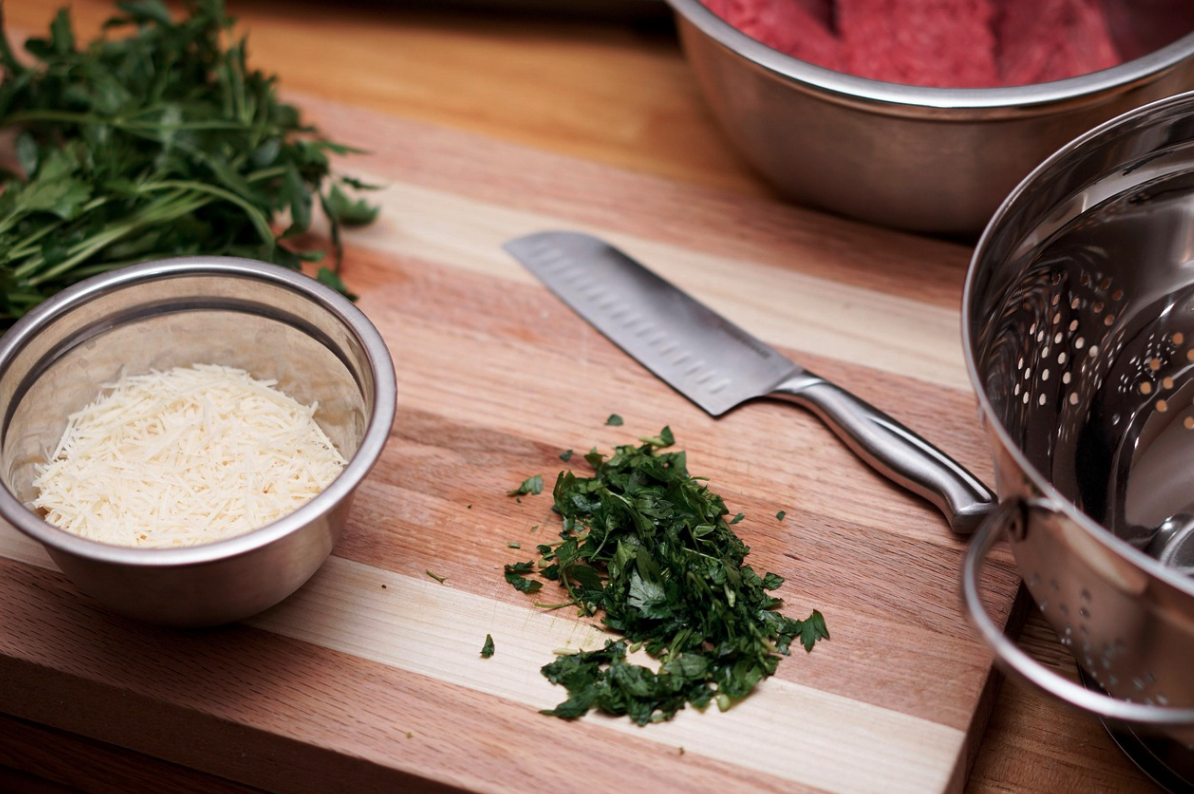
In many homes, the day does not truly begin or end until food is prepared and shared. Cooking, when treated as a steady part of daily life rather than a creative performance, becomes a reliable anchor. It sets a rhythm that quietly organizes time, energy, and attention. Regular meals offer more than nourishment. They create predictability in a world that often feels scattered, and that predictability can be deeply comforting.
Making cooking a dependable part of each day does not require elaborate recipes or constant enthusiasm. It grows from simple routines, familiar ingredients, and a steady approach that respects limits. When meals happen at roughly the same times and are prepared in familiar ways, the kitchen becomes a place of calm rather than pressure. The goal is not excitement. The goal is steadiness.
Why Regular Meals Shape the Day
Daily life often feels rushed not because there is too much to do, but because time has no clear shape. Meals naturally divide the day into parts. Breakfast opens the morning. Lunch marks a pause. Dinner signals a slowing down. When these moments are predictable, the rest of the day tends to fall into place around them.
Regular meals help the body anticipate food, which supports steady energy. When eating times are erratic, hunger can arrive suddenly and sharply, leading to rushed choices or skipped meals. Predictable cooking times reduce that strain. The body learns when nourishment is coming and responds with steadier focus and calmer moods.
Beyond physical effects, regular meals offer emotional structure. Knowing that food will be prepared at a certain time provides reassurance, especially during busy or uncertain days. Even a simple meal can feel grounding when it arrives as expected.
Cooking as a Daily Marker, Not a Task
Many people think of cooking as something to fit in after everything else is done. This approach often leads to stress and resentment. When cooking is treated instead as a fixed marker in the day, it stops competing with other tasks.
A marker is something that does not need constant decision-making. It simply happens. For example, if dinner preparation begins at the same time most evenings, the mind adjusts. Other activities naturally wrap up or pause as that time approaches.
This shift changes how cooking feels. It becomes less about finding motivation and more about following a known pattern. The hands know what to do. The steps feel familiar. Even on tired days, the routine carries the work forward.
The Difference Between Flexible and Vague
Predictability does not mean rigidity. Meals can move slightly to accommodate life. The key difference is between being flexible and being vague.
Flexible cooking still has a general shape. Dinner might usually happen between six and seven, with room to adjust. Vague cooking has no expectation at all, which often leads to late meals, skipped meals, or rushed eating.
A clear but gentle structure allows for adjustment without confusion. The body and mind understand what is coming, even if the exact timing shifts.
Choosing a Few Reliable Meals
One of the quiet strengths of a steady kitchen routine is repetition. Having a small collection of reliable meals reduces daily decisions and builds confidence. These meals do not need to be impressive. They need to be dependable.
Reliable meals share certain qualities. They use familiar ingredients, tolerate small substitutions, and can be prepared even when energy is low. Over time, these dishes become part of the household rhythm.
Why Familiar Meals Matter
Familiar meals reduce mental effort. When the steps are known, cooking requires less focus. This frees attention for other parts of life, such as conversation, quiet thought, or simple rest.
Familiarity also helps with planning. Ingredients are easier to keep on hand, and preparation time becomes predictable. This reduces last-minute trips and unnecessary waste.
There is also comfort in knowing how a meal will turn out. Familiar dishes rarely disappoint. They may not surprise, but they satisfy.
Building a Core Rotation
A core rotation might include five to seven meals that appear regularly. These meals can repeat weekly or every few weeks. The exact number matters less than the sense of reliability they provide.
When choosing these meals, consider:
- Ingredients that store well or are easy to replace
- Methods that can be adjusted for different amounts
- Flavors that are broadly enjoyed and not overly demanding
Over time, this rotation can change slowly. New meals may join, and others may fade. The process does not need to be rushed.
Timing Matters More Than Variety
Many kitchens struggle not because of a lack of creativity, but because of inconsistent timing. Eating a simple meal at a regular hour often brings more satisfaction than eating something elaborate at an unpredictable time.
Regular timing supports digestion. The body prepares itself for food, which can reduce discomfort and fatigue. It also helps regulate appetite, making it easier to stop eating when full.
From a household perspective, consistent timing makes coordination easier. Other activities can be planned around meals rather than competing with them.
Setting Gentle Time Boundaries
Time boundaries around cooking do not need to be strict rules. They work best when they are realistic and kind.
For example, deciding that dinner preparation begins before hunger becomes sharp can prevent rushed choices. Starting earlier allows food to cook properly and flavors to develop, even in simple dishes.
These boundaries protect the meal itself. When cooking is constantly delayed, the experience of eating becomes hurried. A calm meal requires enough time to prepare and enough time to eat.
Preparation as a Quiet Habit
Predictable cooking relies less on large planning sessions and more on small, regular preparation. These habits are often quiet and easily overlooked, yet they make daily meals smoother.
Preparation does not mean cooking everything in advance. It means setting up the kitchen so that daily cooking feels manageable.
Small Acts That Make Cooking Easier
Some preparation habits that support daily cooking include:
- Keeping staple ingredients visible and easy to reach
- Washing produce soon after bringing it home
- Storing tools where they are used most often
These actions save minutes and reduce friction. When cooking feels easier to start, it is more likely to happen on time.
Preparation also builds familiarity. Reaching for the same pan or knife each day creates a sense of continuity. The kitchen begins to feel like a well-used workspace rather than a place of constant adjustment.
When Preparation Does Not Help
Too much preparation can sometimes backfire. Preparing elaborate components far in advance can lead to wasted food or extra work. The goal is not to anticipate every possibility, but to support the most common needs.
If preparation feels burdensome or creates pressure, it may be too much. The best preparation habits are those that quietly support the routine without demanding attention.
Simple Cooking Methods That Support Routine
Certain cooking methods lend themselves to predictable daily meals. They are forgiving, adaptable, and suited to regular use.
These methods often involve steady heat and simple steps. They allow ingredients to cook evenly and flavors to develop without constant monitoring.
Why Gentle Methods Work
Gentle cooking methods reduce the risk of mistakes. They allow for small timing variations without ruining the meal. This flexibility is important in daily life, where interruptions are common.
Methods such as simmering, roasting, and slow sautéing give the cook room to adjust. They also encourage patience, which fits naturally with a calm routine.
When cooking feels forgiving, confidence grows. Confidence makes it easier to cook regularly.
Adapting Methods to Energy Levels
On days with more energy, the same methods can be used to create slightly more involved meals. On tired days, they can be simplified.
For example, a pot that usually holds a soup with many vegetables can hold a simpler version when needed. The method remains the same, even if the ingredients change.
This consistency in method supports routine. The hands follow familiar steps, regardless of the day’s demands.
The Role of Leftovers in Daily Rhythm
Leftovers are often misunderstood as second-best meals. In a predictable cooking routine, they serve a valuable purpose. They provide flexibility without disruption.
Having leftovers allows one meal to support another. A dish cooked one evening can ease the next day’s workload or offer a ready lunch.
Planning for Leftovers Without Overthinking
Planning for leftovers does not require special recipes. It often means cooking slightly more than needed and storing it thoughtfully.
Leftovers work best when they are treated as part of the plan, not an afterthought. Knowing that tomorrow’s meal is partly prepared can bring relief.
However, not every meal needs to create leftovers. The aim is balance. Too many leftovers can feel repetitive, while none at all can lead to extra work.
Using Leftovers in Familiar Ways
Leftovers are most useful when they are used in predictable ways. A roasted vegetable might appear again in a simple grain dish. Cooked meat might become part of a soup.
These patterns reduce decision-making. The cook does not need to invent new uses each time. Familiar pairings make leftovers feel intentional.
Cleaning as Part of the Cooking Rhythm
Cleaning is often separated from cooking, treated as an unpleasant task to be delayed. In a steady routine, cleaning is woven into the process.
When cleaning happens in small moments during and after cooking, it prevents buildup. The kitchen is more likely to be ready for the next meal.
Why Small Cleaning Moments Matter
Washing a few items while food cooks keeps the workspace clear. This makes cooking feel calmer and more controlled.
Ending a meal with a reasonably clean kitchen supports the next day. Starting fresh reduces resistance to cooking again.
These small acts protect the routine. A cluttered kitchen can quietly discourage regular cooking.
Finding a Comfortable Standard
Perfection is not necessary. The goal is a comfortable standard that can be maintained daily.
This might mean clean counters and a clear sink, even if some items wait until later. The standard should feel achievable, not demanding.
A sustainable cleaning rhythm supports the larger cooking rhythm.
Meals as Signals to Slow Down
Predictable meals do more than organize time. They signal when it is appropriate to pause.
Sitting down to eat, even briefly, creates a natural break. It allows the body to rest and the mind to shift.
When meals are rushed or eaten while doing other tasks, this benefit is lost. The body does not fully register the pause.
Creating a Simple Eating Ritual
An eating ritual does not need to be elaborate. It might be as simple as sitting at the same place or taking a moment before beginning.
These small signals help the body transition from activity to rest. Over time, they reinforce the calming effect of regular meals.
The predictability of the ritual matters more than its form.
Adjusting the Routine Without Losing It
Life changes, and routines must adjust. A predictable cooking routine is not fragile. It can adapt if adjustments are made thoughtfully.
The key is to keep the core structure while allowing details to shift.
When Schedules Change
If daily schedules shift, meal timing may need to move. Rather than abandoning the routine, it can be reshaped.
For example, if evenings become busier, the main meal might move earlier or become simpler. The anchor remains, even if its position changes.
This flexibility keeps the routine alive.
During Tired or Busy Periods
There will be periods when energy is low. During these times, the routine should become simpler, not disappear.
Relying more on the most basic meals during these periods protects the habit of regular cooking. Complexity can return later.
Consistency matters more than variety during demanding times.
Why Predictability Brings Comfort
At its heart, predictable cooking offers comfort through reliability. It reassures by repeating what is known.
In a kitchen guided by routine, there is less urgency and more patience. Meals arrive when expected. The body is fed steadily. The day has a shape.
This comfort does not come from nostalgia or novelty. It comes from care taken daily, in small, steady ways.
The Quiet Strength of Daily Cooking
Daily cooking, when approached as a predictable anchor, becomes a quiet strength in the home. It does not demand attention or praise.
Its value is felt in the ease of the day, the steadiness of energy, and the calm that comes from knowing what to expect.
By treating cooking as a regular, dependable part of life, the kitchen becomes a place of reassurance. Meals mark time, offer pause, and support the rhythm of everyday living.