
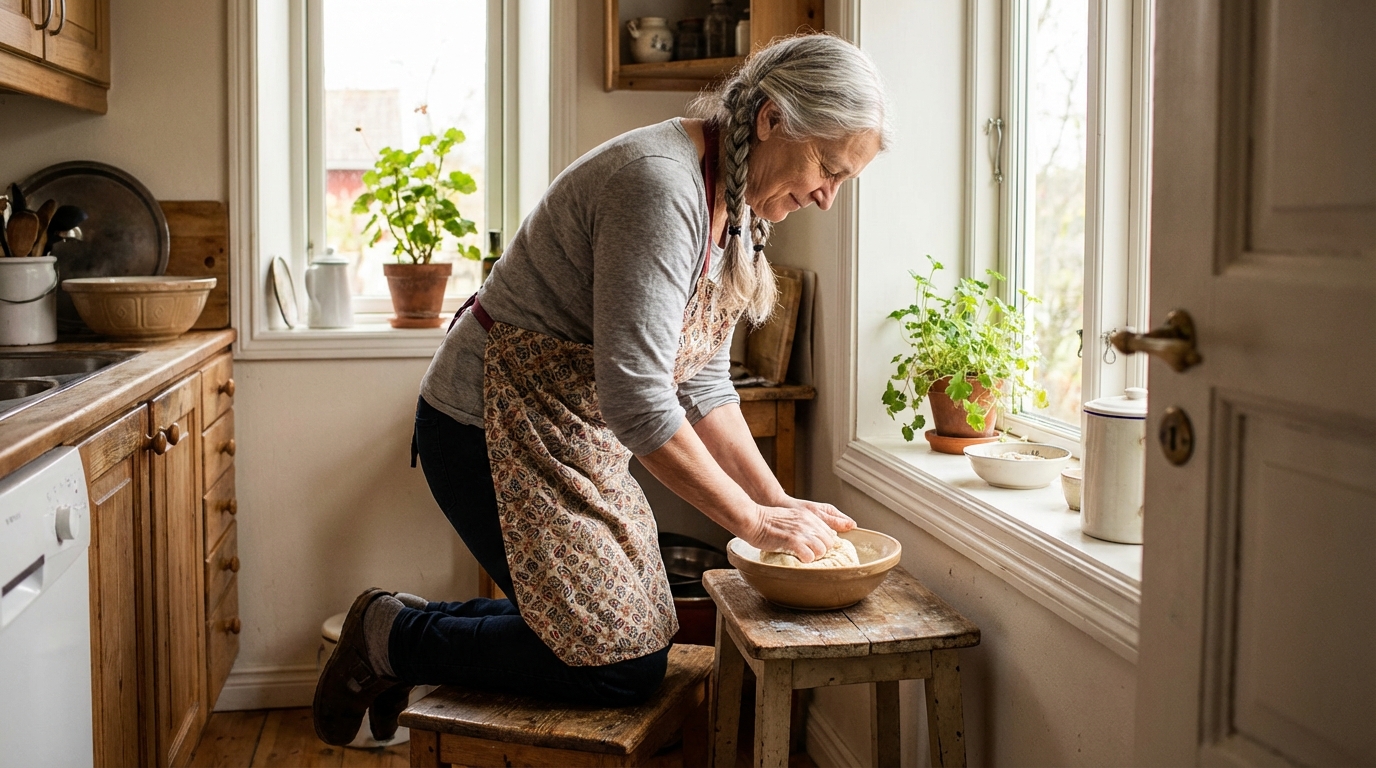
Cooking has always been part of daily home life, but it does not have to feel rushed or loud. When approached with care and intention, preparing food can become a steady point in the day, something grounding rather than demanding. A quiet cooking routine does not require special recipes or extra time. It grows from small habits practiced the same way, in the same place, day after day.
This way of cooking values steadiness over speed and attention over performance. It turns ordinary tasks into moments of focus and calm. The goal is not to cook perfectly or impressively, but to move through familiar steps with ease and patience, allowing the mind to settle while the hands stay busy.
Entering the Kitchen With Purpose
A quiet cooking ritual begins before any ingredient is touched. The moment of entering the kitchen matters more than it may seem. Walking in with a clear purpose helps set the tone for everything that follows.
This does not mean planning every detail in advance. It simply means pausing for a breath and deciding what kind of meal is being made. Is it something warming? Something light? Something that needs attention, or something that can be left to simmer?
That small decision shapes the pace of the work. Soups and stews invite patience. Simple sautés require presence but not urgency. Baked dishes allow time to clean as they cook. Knowing this ahead of time prevents rushing and frustration.
Turning on a single light instead of all of them, opening a window slightly, or tying on an apron can become signals to the body that it is time to slow down and focus. Repeating the same entry routine each day builds familiarity, which is calming in itself.
Letting the Day Set the Menu
A quiet cooking habit respects the state of the day. Some days call for energy and effort. Others call for simplicity. Matching the meal to the day prevents cooking from becoming a burden.
On busy or tiring days, meals that rely on a few reliable ingredients work best. A pot of rice, roasted vegetables, eggs, or a simple soup can be prepared with little mental effort. These foods nourish without demanding constant attention.
On slower days, meals with more steps can feel satisfying. Chopping vegetables slowly, kneading dough, or stirring a pot over low heat can fill the space between tasks and bring a sense of rhythm to the afternoon.
Trying to force elaborate cooking into an already full day often leads to tension. Recognizing when to keep things plain is not a failure but a skill learned through experience.
Preparing the Space Before the Food
Order in the kitchen supports calm in the mind. Before cooking begins, taking a few minutes to prepare the space makes the process smoother and quieter.
This may include clearing the sink, wiping the counter, and setting out only the tools that will be used. Too many items on the counter create visual noise and increase the chance of distraction.
Placing a bowl for scraps nearby, setting out a cutting board, and choosing the right knife ahead of time prevents unnecessary movement. Each extra step or decision adds friction to the process.
When the workspace is ready, the hands can move without interruption. This steady flow reduces mistakes and helps the mind stay present.
The Role of Repetition
Repetition is often misunderstood as boring, but in daily cooking it is a source of comfort. Making the same dishes regularly builds confidence and ease.
When a recipe is familiar, attention shifts from instructions to sensations. The sound of onions softening, the smell of bread browning, or the feel of dough becoming smooth become cues that guide the process.
This sensory awareness reduces the need to check the clock or the recipe constantly. The body learns what comes next. Cooking becomes less about thinking and more about noticing.
Repeating meals also allows small improvements over time. Adjusting the heat slightly, adding salt earlier, or cutting vegetables more evenly comes naturally when the dish is known well.
Moving at the Speed of Heat
Heat sets the pace in cooking, and understanding it helps keep the process calm. Most everyday meals benefit from moderate heat rather than high.
Lower heat allows flavors to develop without burning and gives more time to react if something needs attention. It also reduces noise, from aggressive sizzling to clattering pans.
Starting with a warm pan rather than a hot one provides control. Food placed in a gently heated pan cooks evenly and is less likely to stick or scorch.
Learning how different foods respond to heat takes time, but paying attention makes a difference. Vegetables release water before they brown. Proteins firm up as they cook. Starches thicken gradually.
Respecting these processes prevents rushing and encourages patience.
Quiet Tools and Familiar Utensils
The tools used in daily cooking shape the experience. Familiar utensils that fit well in the hand reduce strain and distraction.
A sharp knife requires less force than a dull one, making chopping quieter and safer. A heavy pan holds heat steadily, preventing sudden temperature changes.
Using the same tools regularly builds muscle memory. The hands know how much pressure to apply and how the tool will respond.
Keeping tools in good condition is part of the ritual. Washing knives by hand, drying them carefully, and storing them properly shows respect for the work they do.
Over time, this care creates a sense of continuity and trust in the kitchen.
Simple Ingredients Treated With Care
Quiet cooking does not depend on rare or expensive ingredients. It relies on treating ordinary foods with attention.
Washing vegetables thoroughly, trimming them neatly, and cutting them evenly helps them cook at the same rate. This small effort improves both texture and flavor.
Allowing ingredients to come to room temperature before cooking, when appropriate, leads to more even results. Cold food added to hot pans can cause uneven cooking and extra noise.
Using salt thoughtfully is another quiet skill. Salting in stages, rather than all at once, allows flavors to build gradually. It also reduces the need for heavy seasoning at the end.
Tasting along the way keeps adjustments small and controlled.
The Value of Gentle Sounds
Sound plays a large role in how cooking feels. Loud clanging and aggressive sizzling can create tension, while softer sounds support calm.
Choosing wooden or silicone utensils reduces noise against metal pans. Lower heat produces a steady, gentle sizzle instead of sharp bursts.
Listening to the food provides useful information. A soft sizzle means moisture is still present. A louder crackle signals drying or browning.
Learning to read these sounds allows adjustments without constant stirring or lifting lids.
Using Time Instead of Force
Many cooking problems come from trying to speed things up. Quiet cooking favors time over force.
Onions soften and sweeten when given time. Tough cuts of meat become tender through slow cooking. Grains absorb water gradually.
Forcing these processes with high heat often leads to uneven results and extra effort later.
Allowing food to cook at its own pace frees the cook to do other small tasks, such as washing a few dishes or preparing the table.
This shared use of time keeps the kitchen orderly and prevents a large mess at the end.
Small Pauses Throughout the Process
Pauses are part of a quiet cooking rhythm. Waiting for water to boil, for dough to rest, or for a pan to heat offers natural breaks.
Using these moments to step back, take a breath, or tidy up keeps the process from feeling rushed.
Standing still for a moment also helps notice what is happening. Smells, sounds, and visual cues often change during these pauses.
Recognizing these changes helps prevent overcooking and builds awareness.
Cooking for the Household, Not an Ideal
Quiet daily cooking serves the needs of the household as it is, not as it is imagined to be.
This means choosing foods that will be eaten willingly and enjoyed without complaint. Familiar dishes often bring more comfort than elaborate ones.
Adjusting flavors to suit those who will eat the meal reduces waste and frustration.
Consistency matters more than novelty. Knowing what to expect from meals provides stability and reduces decision-making fatigue.
Accepting Imperfect Days
Not every day allows for a calm cooking experience. Unexpected interruptions, fatigue, or time pressure can disrupt even the best routines.
On such days, simplifying without guilt is important. Using leftovers, assembling a meal from prepared components, or choosing one-pot dishes keeps effort low.
Quiet cooking is not about control but about care. Recognizing limits and adjusting accordingly maintains balance.
Returning to the routine the next day without judgment preserves its long-term value.
The Closing Ritual of Cleanup
How cooking ends matters as much as how it begins. Cleaning up gradually during the process prevents a pile of dishes from becoming overwhelming.
Washing cutting boards and knives as soon as they are no longer needed keeps the sink manageable.
Wiping counters while food cooks saves time later and leaves the kitchen ready for the next task.
After the meal, a final quiet cleaning brings closure. Turning off lights, straightening towels, and setting out items for the next day completes the cycle.
Building a Habit Over Time
A quiet cooking ritual develops slowly. It is shaped by repetition, attention, and small adjustments.
Noticing which steps create calm and which create stress allows the routine to evolve naturally.
Over time, cooking becomes less about effort and more about presence. The kitchen turns into a place of steadiness within the day.
Through simple actions repeated with care, preparing food becomes a grounding habit that supports both body and mind.