
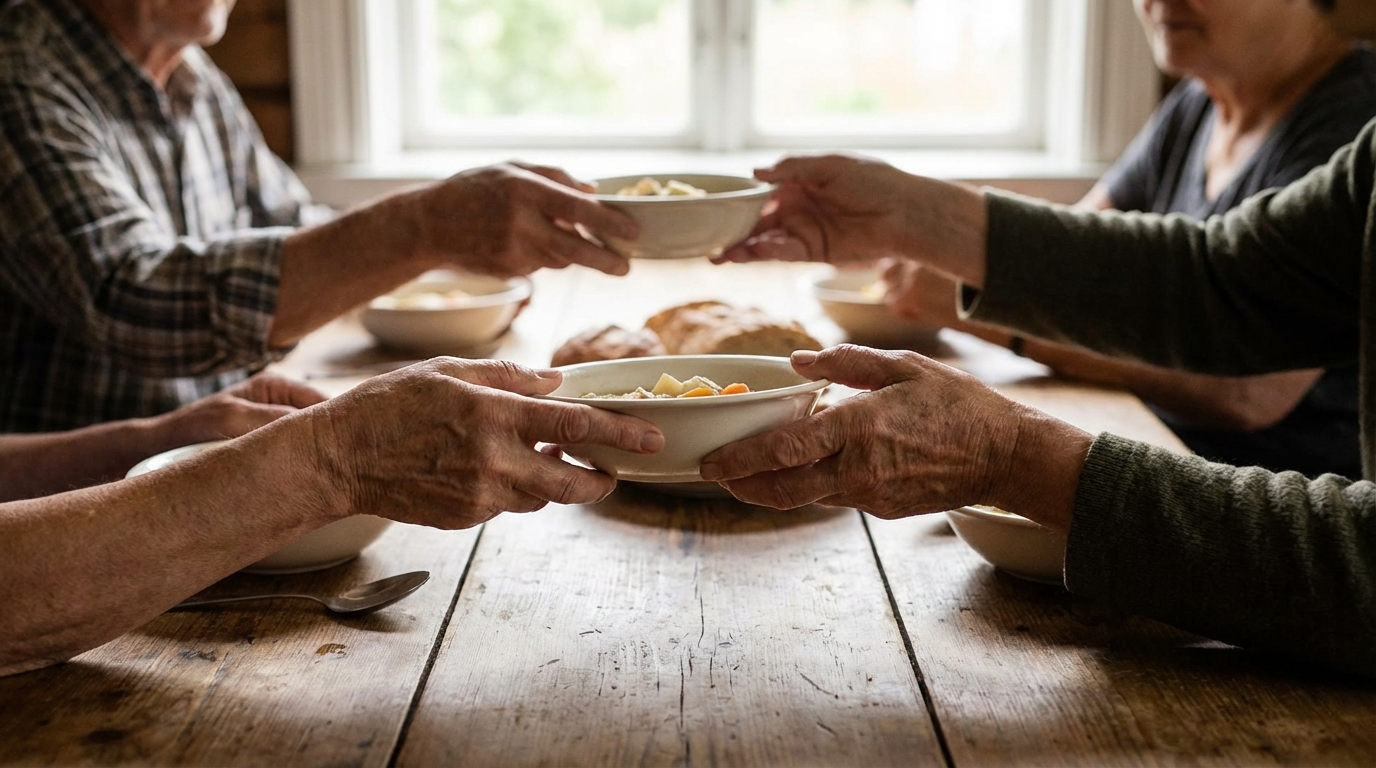
There is something steady and grounding about a table that makes room for everyone. Not just enough chairs, but enough care, attention, and patience for the people who gather there. Shared meals have long been a quiet center of home life, not because they are perfect or elaborate, but because they offer a dependable pause in the day. When handled with thought, the table becomes a place where people feel noticed, included, and at ease.
Making room for everyone at the table is not about squeezing in more dishes or forcing cheerful conversation. It is about small, steady gestures that signal belonging. These gestures are often practical, almost ordinary, yet they shape how people experience being together. Over time, they build trust and comfort in ways that are hard to measure but easy to feel.
The Table as a Daily Anchor
A shared meal works best when it is predictable. Knowing when the table will be set helps people arrange their day around it. This does not require rigid schedules or strict rules. Even a loose routine, such as eating together most evenings, creates a sense of reliability. People are more likely to show up when they know what to expect.
The table itself becomes an anchor. It does not need to be large or formal. A small kitchen table or a cleared coffee table can serve the same purpose. What matters is that it is used regularly and treated with care. Wiping it down before meals, placing utensils neatly, and making sure there is enough space for each person’s plate all signal that this moment matters.
Consistency also reduces tension. When shared meals happen often, no single meal carries too much weight. There is less pressure for conversation to be lively or for food to be impressive. This ease allows people to relax and be themselves, which is essential for genuine connection.
Physical Space and Quiet Signals of Welcome
Inclusion often begins before anyone sits down. The way the table is set can quietly communicate who is expected and who is welcome. Adding an extra place setting, even when plans are uncertain, sends a message of openness. It says that there is room, just in case.
Spacing matters more than it might seem. Crowding chairs too closely can make people feel rushed or overlooked. Leaving a bit of elbow room allows everyone to eat comfortably and move without apology. This is especially important when people of different sizes, ages, or abilities are present.
Lighting plays a role as well. Soft, even light helps people see each other’s faces and food clearly. Harsh overhead lighting can create tension, while dim light can make some people feel uneasy or left out. A simple lamp or a shaded fixture often strikes the right balance.
Small physical details, such as offering a cushion for a hard chair or placing a napkin within easy reach, show attentiveness. These details are not about perfection. They are about noticing needs and responding in quiet, practical ways.
Food That Brings People In
Shared meals are shaped by what is served, but not in the way often assumed. Inclusion does not require complex recipes or special ingredients. It requires thoughtfulness. Simple food prepared with care often works better than elaborate dishes that demand attention.
Familiar flavors tend to put people at ease. When a table regularly includes at least one dependable dish, people feel grounded. This does not mean the menu must stay the same. It means there is something recognizable to return to, even as new foods are introduced.
When different preferences or needs exist, flexibility matters. Offering food in separate components can make a big difference. A pot of rice, a bowl of vegetables, and a simple protein allow people to build their own plate. This approach reduces the need for explanations or apologies and lets everyone eat comfortably.
Portioning is another quiet signal of care. Serving food family-style, where people can take what they need, avoids assumptions. It allows those with smaller appetites to eat lightly and those who are hungry to eat more without drawing attention.
Timing also matters. Serving food when it is ready, rather than waiting too long, respects everyone’s comfort. Lukewarm meals and restless waiting can create unnecessary irritation. Planning dishes that can rest briefly without losing quality helps keep the mood calm.
Inviting Participation Without Pressure
A shared table works best when participation feels natural, not forced. Some people enjoy helping with preparation, while others prefer to arrive when the food is ready. Both approaches can be accommodated with a little planning.
Offering simple tasks, such as washing vegetables or setting the table, gives people a way to contribute without feeling obligated. These tasks should be optional and clearly defined. Unclear expectations can create stress, while straightforward invitations tend to feel welcoming.
Children often benefit from having small, manageable roles. Carrying napkins or placing spoons can help them feel included without overwhelming them. The key is to match the task to the person, not to an ideal of what should be done.
Once seated, participation in conversation should follow the same principle. Silence is not a problem. Some days call for lively talk, while others are quieter. Allowing these shifts without comment helps everyone feel accepted as they are.
Conversation That Leaves Space
Conversation at the table can either draw people together or push them apart. The difference often lies in pacing and attentiveness. Speaking in turns, pausing to listen, and allowing thoughts to finish without interruption create a sense of respect.
Open-ended topics tend to work better than pointed questions. Asking about a day in a general way leaves room for people to share what they choose. Detailed questioning can feel intrusive, especially during a meal meant to be restorative.
It helps to notice who has not spoken and gently make space for them, without putting them on the spot. A simple pause or a shift in attention can invite quieter voices without pressure.
Disagreements, when they arise, are best handled with calm and restraint. The table is not the place for settling scores. If a topic begins to create tension, changing the subject or focusing on the meal itself can restore balance. This does not mean avoiding meaningful discussion, but choosing the right moment for it.
Respecting Different Appetites and Paces
People eat at different speeds and with different levels of appetite. Recognizing this helps avoid unnecessary discomfort. Rushing through a meal can leave some feeling unsettled, while lingering too long can make others restless.
Serving food in stages can help. Starting with a simple dish, such as soup or bread, allows everyone to begin together while the rest of the meal is prepared or brought out. This approach naturally stretches the meal without forcing anyone to wait.
Allowing people to stop eating when they are full, without comment, is another important gesture. Encouragement to eat more is often well meant, but it can make some feel pressured. Trusting people to know their own needs fosters ease and respect.
Clearing plates should also be handled with care. Waiting until most people are finished avoids making slower eaters feel hurried. When someone does finish early, offering to clear their plate quietly can be helpful, as long as it does not draw attention.
Rituals That Mark the Meal
Simple rituals can frame a shared meal and give it shape. These do not need to be formal or spoken aloud. Small, repeated actions often work best.
Washing hands before eating, for example, creates a natural pause between the day’s activities and the meal. It signals a transition into a different pace. Setting the table in the same order each time has a similar effect.
Beginning the meal together, even if only with a brief moment of stillness, helps align everyone’s attention. This can be as simple as waiting until all are seated before starting to eat.
Ending the meal with a shared action, such as clearing the table together or serving a simple fruit, helps bring closure. It signals that the gathering has a beginning and an end, which can be comforting and grounding.
Handling Absences and Additions Gracefully
Not every seat will be filled at every meal. Handling absences with calm acceptance helps maintain a sense of steadiness. Leaving an empty chair without comment avoids making absence feel like a disruption.
When someone arrives unexpectedly, flexibility is key. Keeping a small amount of extra food or a simple staple on hand makes it easier to welcome an additional person without stress. Even a piece of bread and a bowl of soup can make someone feel included.
Adjusting the table quietly, rather than making a show of rearranging, helps maintain the flow of the meal. These small acts of adaptability communicate that there is room for change without fuss.
Care Beyond the Food
Inclusion at the table extends beyond what is eaten. Comfort, safety, and emotional ease all play a role. Paying attention to allergies, sensitivities, or strong dislikes is part of this care. When these needs are remembered without being announced, people feel seen.
Noise levels matter as well. Loud clattering or raised voices can overwhelm some. Using placemats to soften sound or lowering the volume of background noise can make the environment more welcoming.
Cleanliness contributes to comfort. A table free of clutter allows people to focus on the meal and each other. This does not require spotless surroundings, but it does benefit from a quick, thoughtful reset before sitting down.
Teaching Inclusion Through Daily Practice
Shared meals offer a quiet way to teach consideration. When people see small acts of care repeated day after day, they learn what it means to make room for others.
Passing dishes within reach, noticing when someone’s glass is empty, or adjusting a chair without being asked are all lessons in attentiveness. These actions show how to respond to needs without drawing attention to oneself.
When mistakes happen, handling them calmly matters. Spilled food or forgotten preferences can be addressed without blame. A quick cleanup and a steady tone keep the focus on togetherness rather than error.
When Shared Meals Feel Difficult
There are times when gathering at the table feels strained. Busy schedules, conflicting moods, or ongoing disagreements can make shared meals challenging. Recognizing this without judgment is important.
On difficult days, simplifying the meal can help. Fewer dishes and less preparation reduce pressure. The goal shifts from connection through conversation to connection through presence.
Shorter meals can also be useful. Sitting together for even a brief time maintains the habit without forcing interaction. Over time, these small efforts often make it easier to return to longer, more relaxed meals.
The Quiet Power of Staying Consistent
The true strength of shared meals lies in repetition. One thoughtful meal can be pleasant, but many thoughtful meals build something deeper. Over weeks and years, the table becomes a place associated with care and reliability.
This consistency does not require perfection. Missed meals, imperfect food, and quiet evenings are all part of the pattern. What matters is the steady return to the table and the ongoing effort to make room for everyone who comes.
In everyday home life, these small, patient habits shape how people feel about belonging. The table, used with intention, becomes more than furniture. It becomes a steady place where people are welcomed as they are, again and again.