
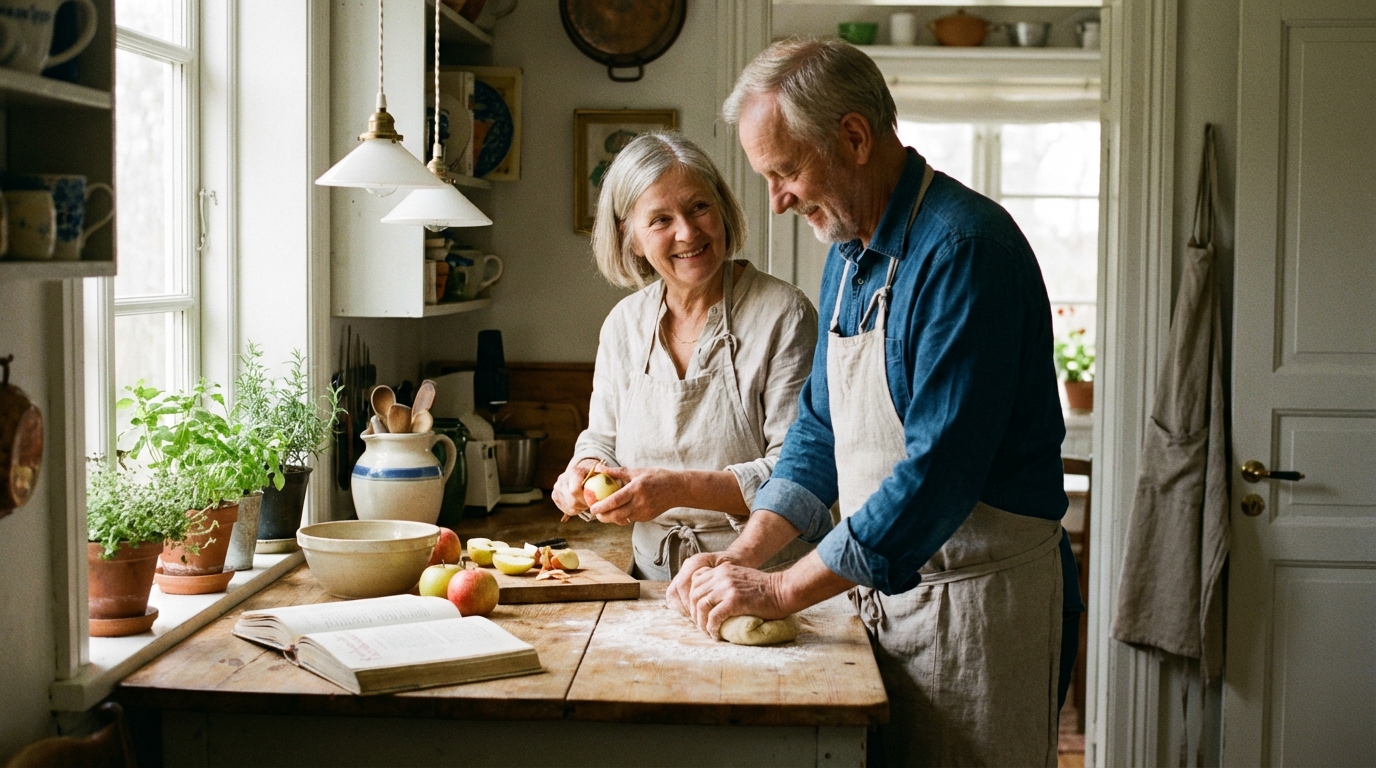
In many homes, the day moves by in pieces. Meals are quick. Conversations are brief. Tasks stack up and get handled in a rush. Even when people are together in the same space, time can feel thin and stretched. Making space for unhurried time together is not about adding more activities or planning something special. It is about changing the pace of ordinary moments so connection has room to grow.
Unhurried time does not announce itself. It shows up quietly when schedules loosen, when hands slow down, and when attention stays put instead of darting ahead to the next thing. At home, this kind of time allows small, steady interactions to deepen naturally. It creates an environment where people feel seen without being asked, and included without being managed.
Slowing the pace does not mean doing less overall. It means doing familiar things with fewer interruptions and more care. This shift can be made gently, through daily routines that already exist. The key is understanding how time, attention, and environment work together inside a home.
The Difference Between Being Together and Sharing Time
Being in the same room does not always mean sharing time. A kitchen can be full of movement and noise while everyone remains mentally elsewhere. True shared time depends less on location and more on rhythm. When the rhythm is rushed, interactions stay shallow. When the rhythm slows, space opens for natural connection.
Unhurried time is not scheduled in the usual sense. It is not an event. It is a stretch of moments where nothing is being pushed forward. This allows conversations to wander, tasks to overlap, and silence to feel comfortable instead of awkward.
In many homes, the push to stay productive creates a background tension. Even restful moments can feel temporary, as if they are waiting to be interrupted. When the household rhythm shifts toward patience, that tension eases. People become more present without needing to try.
Why Slowness Encourages Connection
Connection requires a sense of safety. When everything is hurried, the body stays alert. Attention narrows. Words get chosen quickly instead of carefully. Slowing down changes this state. It tells the nervous system that there is no immediate demand.
When the pace is gentle, people are more likely to notice small cues: a change in tone, a pause before speaking, a sigh that asks for understanding. These cues often pass unnoticed in busy moments. Over time, responding to them builds trust.
Slowness also reduces the pressure to perform. Without a schedule pressing down, people feel less need to be efficient, entertaining, or impressive. They can simply be present. This is often when the most meaningful exchanges happen.
Creating Unhurried Time Through Daily Routines
Routines shape the feel of a home more than special occasions do. They repeat daily, setting expectations for how time is treated. Small adjustments to routines can make room for unhurried time without disrupting responsibilities.
The goal is not to eliminate structure but to soften it. A routine can guide the day while still leaving breathing room. This balance allows tasks to be completed without turning every moment into a race.
Meals as Anchors Instead of Checkpoints
Meals often become checkpoints between activities rather than moments in themselves. When treated this way, they are rushed through. Plates are cleared quickly. Conversation stays on the surface.
Turning meals into anchors requires only a few changes. Sitting down at the same time matters more than what is served. Keeping the table clear of distractions helps attention settle. Allowing the meal to last a few minutes longer than necessary creates space for conversation to unfold naturally.
Silence at the table does not need to be filled. Often, it is the pause that invites someone to speak. When there is no rush to get up, these pauses feel comfortable rather than awkward.
Meals do not need to be elaborate. Simple food served consistently creates familiarity. Familiarity lowers the sense of effort, making it easier to relax and stay present.
Shared Tasks That Invite Conversation
Some of the easiest unhurried moments come from working side by side. Tasks like folding laundry, washing dishes, or tidying a room provide a natural focus. Hands stay busy while the mind is free to wander.
These tasks work well because they remove direct pressure to talk. Conversation can start and stop without explanation. There is no expectation to maintain eye contact or stay on topic.
For shared tasks to encourage connection, the pace matters. When tasks are treated as chores to be finished quickly, tension returns. When they are approached with steady, unforced movement, they become opportunities for easy companionship.
Allowing tasks to take a little longer than necessary can feel inefficient at first. Over time, the emotional ease gained often outweighs the extra minutes spent.
The Role of Environment in Slowing Time
The physical environment of a home influences how time is experienced. Clutter, noise, and harsh lighting can create a sense of urgency. Softening these elements helps the household settle into a calmer rhythm.
This does not require a perfectly organized home. It requires intentional choices about what fills the space and how it is used.
Sound and Silence
Constant background noise keeps the mind alert. Even gentle noise can prevent full relaxation if it never stops. Creating pockets of quiet allows people to hear their own thoughts and each other more clearly.
This does not mean enforcing silence. It means being mindful of when sound is helpful and when it becomes a distraction. Turning off unnecessary noise during meals or shared activities can make conversations feel more grounded.
Quiet also helps transitions. A few calm minutes between activities can prevent the rushed feeling that comes from moving too quickly from one thing to the next.
Lighting and Time Perception
Lighting affects how time feels in subtle ways. Bright, harsh light signals activity and alertness. Softer light encourages rest and reflection.
As the day moves toward evening, gradually lowering light levels can signal a shift in pace. This helps the body relax and prepares the mind for slower interactions.
Natural light during the day supports steady energy without the sharp peaks that artificial light can create. Keeping windows uncovered when possible allows the rhythm of the day to guide activity naturally.
Comfort and Familiarity
Comfortable spaces invite people to linger. Chairs that support the body, blankets within reach, and surfaces that feel welcoming encourage staying put.
Familiar objects also play a role. Items that have been used and cared for over time carry a sense of continuity. They remind the household that life does not need to be constantly updated to be meaningful.
When people feel physically at ease, they are more likely to stay present and open. Discomfort, even small, can push attention away from shared moments.
Protecting Unhurried Time from Constant Interruption
One of the biggest challenges to unhurried time is interruption. Interruptions fracture attention and pull the mind away from the present moment. Some interruptions are necessary. Many are not.
Protecting unhurried time requires awareness rather than strict rules. It involves noticing what pulls attention away and deciding which interruptions truly matter.
Setting Gentle Boundaries
Boundaries do not need to be rigid to be effective. Simple habits can signal that certain times are meant for togetherness.
- Keeping phones out of reach during meals or shared activities.
- Letting messages wait when they are not urgent.
- Finishing small tasks before sitting down together to reduce the urge to get up.
These boundaries work because they reduce mental clutter. When the mind is not split between tasks, it can settle into the moment more fully.
Allowing Time to Be Unproductive
Unhurried time often looks unproductive. Nothing visible is being accomplished. This can create discomfort in a culture that values constant output.
Allowing time to be unproductive is an act of trust. It trusts that connection does not need to be justified by results. Over time, this trust strengthens relationships by showing that presence itself has value.
It helps to remember that many important things happen quietly. Understanding grows. Tension eases. Affection deepens. These changes are subtle but lasting.
Patience as a Daily Practice
Patience is central to unhurried time. It allows moments to unfold without being forced. At home, patience shows up in small ways: waiting for someone to finish a thought, allowing a task to take longer, accepting pauses in conversation.
Patience is not passive. It requires attention and intention. It is a choice to stay with the moment instead of rushing past it.
Letting Conversations Find Their Own Shape
Conversations do not need to be guided or improved. When left alone, they often find a natural rhythm. Topics drift. Stories overlap. Silence comes and goes.
Interrupting this flow to correct, hurry, or redirect can break the sense of ease. Allowing conversations to wander signals that there is time to listen.
This does not mean every conversation must be deep or meaningful. Light, ordinary talk builds familiarity. Familiarity lays the groundwork for deeper connection when it is needed.
Responding Instead of Reacting
In a rushed environment, reactions come quickly. Words are chosen fast, sometimes without care. Slowing the pace creates space to respond instead.
Responding involves noticing what is being said beneath the surface. It allows for gentler answers and fewer misunderstandings.
This shift can change the tone of a household. Over time, people learn that they will be heard without being hurried. This reduces defensiveness and encourages openness.
When Slowing Down Feels Difficult
Slowing down is not always easy. For some households, busyness has become a habit. Stillness can feel unfamiliar or even uncomfortable.
It helps to approach this change gradually. Expecting instant calm can create frustration. Unhurried time grows through repeated small choices.
Recognizing Restlessness
Restlessness often appears when the pace first slows. People may feel the urge to check something, get up, or fill silence. This is a natural response to a change in rhythm.
Noticing restlessness without acting on it allows it to pass. Over time, the body adjusts to the slower pace and begins to relax into it.
Balancing Responsibilities and Presence
Responsibilities do not disappear when the pace slows. They still need to be handled. The key is separating necessary tasks from unnecessary urgency.
Completing essential tasks with steady attention often takes less energy than rushing through them. This leaves more emotional room for shared time later.
Planning ahead can help. When meals, chores, and routines are anticipated, they create fewer interruptions. This planning supports unhurried time rather than competing with it.
Seasonal Rhythms and Natural Pace
The natural world offers guidance on pace. Days lengthen and shorten. Energy rises and falls. Paying attention to these rhythms can help the home find a steadier flow.
Aligning household routines with seasonal changes reduces strain. It allows unhurried time to fit more naturally into the day.
Adjusting Evenings and Mornings
Mornings often carry a sense of urgency. Evenings offer more flexibility. Using evenings for unhurried time can help the household unwind from the day.
In darker months, earlier evenings may encourage staying in and slowing down. In lighter months, unhurried time may extend into outdoor spaces.
Paying attention to energy levels helps determine when unhurried time feels most natural. Forcing it at the wrong time can create resistance.
Honoring Rest and Activity
Balance between rest and activity supports a sustainable pace. Constant activity leads to fatigue. Too much rest can lead to restlessness.
Unhurried time often sits between these extremes. It is not complete rest, nor is it intense activity. It is a gentle middle ground where connection thrives.
Small Signals That Invite Togetherness
Unhurried time does not need to be announced. Small signals can invite people to gather without pressure.
These signals work because they are familiar and non-demanding. They suggest availability rather than obligation.
Simple Invitations
Actions often speak louder than words. Sitting down with a book, preparing a pot of tea, or starting a quiet task can invite others to join.
These invitations leave room for choice. They allow togetherness to form naturally, without feeling forced.
Consistency Over Intensity
Regular, low-key moments build connection more reliably than occasional intense efforts. Consistency creates trust. It shows that time together is a normal part of daily life.
Even brief unhurried moments, repeated often, can have a lasting effect. They create a shared rhythm that holds the household together.
How Unhurried Time Shapes the Feel of a Home
Over time, unhurried time changes the atmosphere of a home. The pace slows not just during shared moments, but throughout the day.
People begin to expect patience and presence. This expectation shapes behavior in subtle ways.
A Sense of Belonging
When time is given freely, people feel they belong. They do not need to compete for attention or rush to be heard.
This sense of belonging supports emotional well-being. It provides a steady foundation that carries through busy or challenging periods.
Resilience Through Routine
Homes that value unhurried time often handle stress more smoothly. Familiar routines provide comfort. Slower pace allows for thoughtful responses.
When challenges arise, the habit of slowing down makes it easier to face them together. There is less panic and more patience.
Letting Unhurried Time Be Enough
Unhurried time does not need to be improved or expanded endlessly. It does not need to lead anywhere. Its value lies in being what it is.
Allowing time to simply be shared, without expectation, creates a quiet richness in daily life. This richness grows slowly, rooted in care, attention, and the steady rhythms of home.