
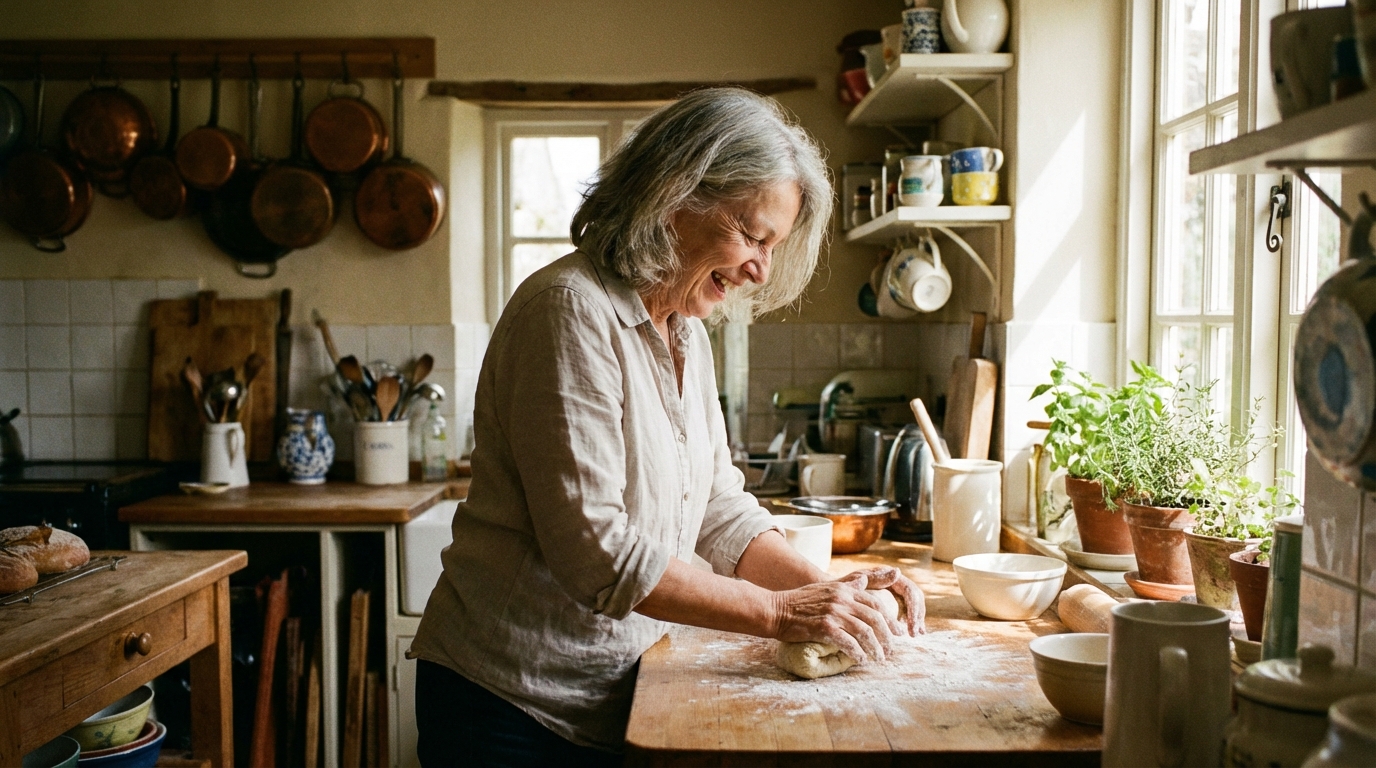
The kitchen often carries the quiet weight of daily life. It holds the marks of use, the habits that return every morning, and the small choices that keep a household running. A kitchen that feels lived in is not careless or cluttered. It is shaped by function, attention, and steady use. It reflects the understanding that a room meant for work and nourishment does not need to look untouched to feel cared for.
This way of thinking values usefulness over display. It allows space for wear, repetition, and small imperfections that come from hands doing real tasks. Over time, these signs of use make the kitchen more welcoming, easier to work in, and more honest. The goal is not to lower standards, but to shift them toward comfort, reliability, and sense.
Why Use Leaves a Different Kind of Order
A kitchen arranged only to look neat can feel stiff. Cabinets stay closed, counters stay clear, and tools are tucked away where they are hard to reach. This kind of order looks calm but often creates extra steps. A lived-in kitchen has a different kind of order, shaped by how things are actually used.
When tools are stored where they are needed, movement becomes easier. A wooden spoon resting in a jar near the stove saves time and keeps cooking steady. A cutting board left out on the counter encourages quick meal prep instead of delay. These small choices reduce friction. Less effort means more consistent habits.
Use also creates memory. When an object is reached for often, its place becomes familiar. The hand finds it without thought. This quiet familiarity reduces mental clutter, making the kitchen feel calmer even when it is busy. The space works with the routine instead of against it.
The Role of Wear and Visible Use
Scratches on a countertop, softened handles on drawers, and a faded patch on the floor near the sink all tell a story of work being done. These marks are often seen as flaws, but they are also proof that the space is serving its purpose.
Materials change with time and touch. Wood warms as it is handled. Metal dulls slightly but becomes smoother. These changes often make surfaces more pleasant to use. A cutting board that has been seasoned with oil and use is less likely to crack. A pan that has built up a natural coating cooks more evenly.
Trying to prevent all signs of wear can make a kitchen feel tense. People hesitate to use things fully, worried about marks or damage. Allowing reasonable wear removes this pressure. It gives permission to cook, clean, and move freely.
Keeping Counters Useful, Not Empty
Completely bare counters look tidy, but they can slow down daily work. A lived-in kitchen keeps only what earns its place. The key is not how much is out, but whether each item supports routine.
A bowl of fruit placed where it is seen encourages regular eating. A kettle kept on the stove signals a pause for warm drinks throughout the day. A small tray with oil, salt, and a spoon near the cooking area reduces reaching and searching.
Items that stay out should be used often. If something collects dust or needs frequent moving to make space, it likely does not belong there. Function decides placement, not appearance alone.
When Open Space Matters
There are moments when clear space is necessary. Kneading dough, chopping vegetables, or setting down hot dishes all require room. A lived-in kitchen allows for both presence and absence. Items can be shifted easily because their placement is thoughtful, not rigid.
Lightweight trays and baskets help with this balance. They group items so they can be moved together when more space is needed. This keeps routines flexible without constant rearranging.
Storage That Matches Habits
Storage works best when it reflects actual behavior. Placing items where they “should” go often leads to frustration. Placing them where they are used builds ease.
Spices kept near the stove stay within reach during cooking. Baking supplies stored together make preparation smoother. Plates near the dishwasher reduce steps during unloading. These choices save time and energy, making daily tasks feel lighter.
It helps to notice small moments of irritation. Reaching too high, bending too low, or walking across the room repeatedly are signs that storage could be improved. Adjusting one shelf or drawer can remove these small strains.
Accepting a Bit of Visibility
Closed cabinets hide everything, but they also hide memory. When items are out of sight, they are sometimes forgotten. Allowing certain tools or ingredients to remain visible supports regular use.
Glass jars, open shelves, or shallow drawers make it easy to see what is available. This reduces waste and prevents overbuying. Visibility encourages use, which keeps supplies fresh and relevant.
The Sink as the Heart of Daily Rhythm
The sink area often sees the most activity. It handles washing, rinsing, filling, and cleaning. A lived-in kitchen treats this area with practical care.
Keeping cleaning tools nearby makes quick maintenance easier. A cloth hung to dry, a brush within reach, and soap that is gentle on hands encourage frequent, small cleanups. These small actions prevent buildup and make larger cleaning less necessary.
The sink does not need to be empty at all times. A cup soaking or vegetables waiting to be washed show that work is in progress. The goal is not constant readiness for display, but readiness for use.
Cooking Tools That Stay Ready
Tools used every day should not require effort to access. A lived-in kitchen keeps these tools ready, clean, and familiar.
Knives stored in a block or on a magnetic strip dry fully and stay sharp longer than those left in drawers. Wooden utensils kept upright air out between uses, preventing odors. Pans stacked with care avoid scratches while staying accessible.
It is helpful to notice which tools are washed and returned repeatedly. These are the essentials. Others that rarely leave storage may be taking up space better used for daily items.
Understanding Tool Wear
Tools change with use. A knife needs regular sharpening. A pan may need occasional re-seasoning. These small maintenance tasks extend life and improve performance.
Ignoring wear can make tools harder to use, leading to frustration. Attending to wear keeps the kitchen functioning smoothly. This attention becomes part of routine, not a special task.
Lighting That Supports Work
Lighting affects how the kitchen feels and how well tasks are done. A lived-in kitchen uses light to support function first.
Bright, focused light over work areas reduces eye strain and improves safety. Softer light in eating or resting areas creates calm. Using multiple light sources allows adjustment throughout the day.
Natural light changes with seasons and weather. Keeping windows clean and unobstructed makes the most of available light. This simple habit improves both mood and visibility.
Smells as Signs of Care
A kitchen that is used often carries smells. Some are comforting, others less so. Managing these smells is part of keeping the space pleasant.
Ventilation during cooking prevents lingering odors. Opening a window, using a fan, or letting heat escape keeps air fresh. After cooking, wiping surfaces where oils settle prevents smells from returning later.
Natural materials absorb odors over time. Regular washing of cloths, sponges, and mats keeps them from holding unwanted smells. Allowing these items to dry fully between uses is especially important.
Daily Cleaning as a Gentle Habit
Cleaning in a lived-in kitchen is steady and simple. It happens in small moments rather than long sessions.
Wiping counters after use, rinsing the sink at night, and sweeping crumbs keep the space manageable. These actions take little time but prevent buildup.
Waiting for everything to be perfect before cleaning often leads to overwhelm. Addressing small messes as they appear keeps the kitchen ready for the next task.
Knowing When to Pause
There are times when leaving a task unfinished makes sense. Dough may need to rest. A pot may need to cool. Allowing these pauses respects the process of cooking.
A lived-in kitchen does not rush every moment. It allows work to unfold naturally, with cleaning woven in where it fits.
Food Storage That Reflects Real Eating
Storing food well supports both safety and ease. A lived-in kitchen organizes food based on how it is used.
Frequently used items belong at eye level. Heavier items are safer lower down. Less used supplies can be stored higher or further back.
Regularly checking stored food prevents waste. This does not require strict schedules. Simply noticing what is there while cooking keeps supplies rotating.
Sound and Movement
The sounds of a kitchen at work are part of its character. The clink of dishes, the hum of appliances, and the rhythm of chopping all signal activity.
Allowing these sounds removes the pressure to be quiet or careful. It encourages natural movement. Soft floor coverings or well-fitted cabinets can reduce harsh noise without eliminating it.
Movement patterns also matter. Clear pathways and thoughtful placement reduce bumping and reaching. Over time, the body learns these paths, making work smoother.
Furniture That Serves More Than One Purpose
Tables, stools, and chairs in the kitchen often do more than one job. They hold meals, paperwork, resting hands, and conversation.
A table that shows marks from use invites return. It does not demand protection before every task. Wiping it clean becomes routine rather than a careful ritual.
Chairs that are easy to move allow flexibility. They can be pulled close for work or pushed aside when space is needed.
Patience With Change
A kitchen evolves as routines change. New tools arrive, others leave. Adjusting the space takes time.
Immediate perfection is not necessary. Living with a setup for a while reveals what works and what does not. Small adjustments made over time often lead to better results than large, sudden changes.
Noticing friction is key. When something feels awkward, it is worth adjusting. When something feels easy, it is worth keeping.
Respecting the Space Through Use
Using the kitchen regularly is a form of care. Cooking meals, washing dishes, and preparing food keep the space active and relevant.
Neglect often causes more damage than use. Appliances left unused may seize. Surfaces not cleaned may deteriorate. Regular, gentle use keeps everything in working order.
This respect is quiet. It shows in the way tools are returned, surfaces are wiped, and routines are followed.
Allowing the Kitchen to Reflect Daily Life
A lived-in kitchen reflects the people who use it, without trying to impress. It shows what matters through its arrangement and wear.
Function over perfection creates a space that supports daily needs. It allows comfort, ease, and reliability to guide choices.
When the kitchen works well, it becomes a steady presence. It holds routine without demanding attention. It feels ready, familiar, and quietly supportive, day after day.