
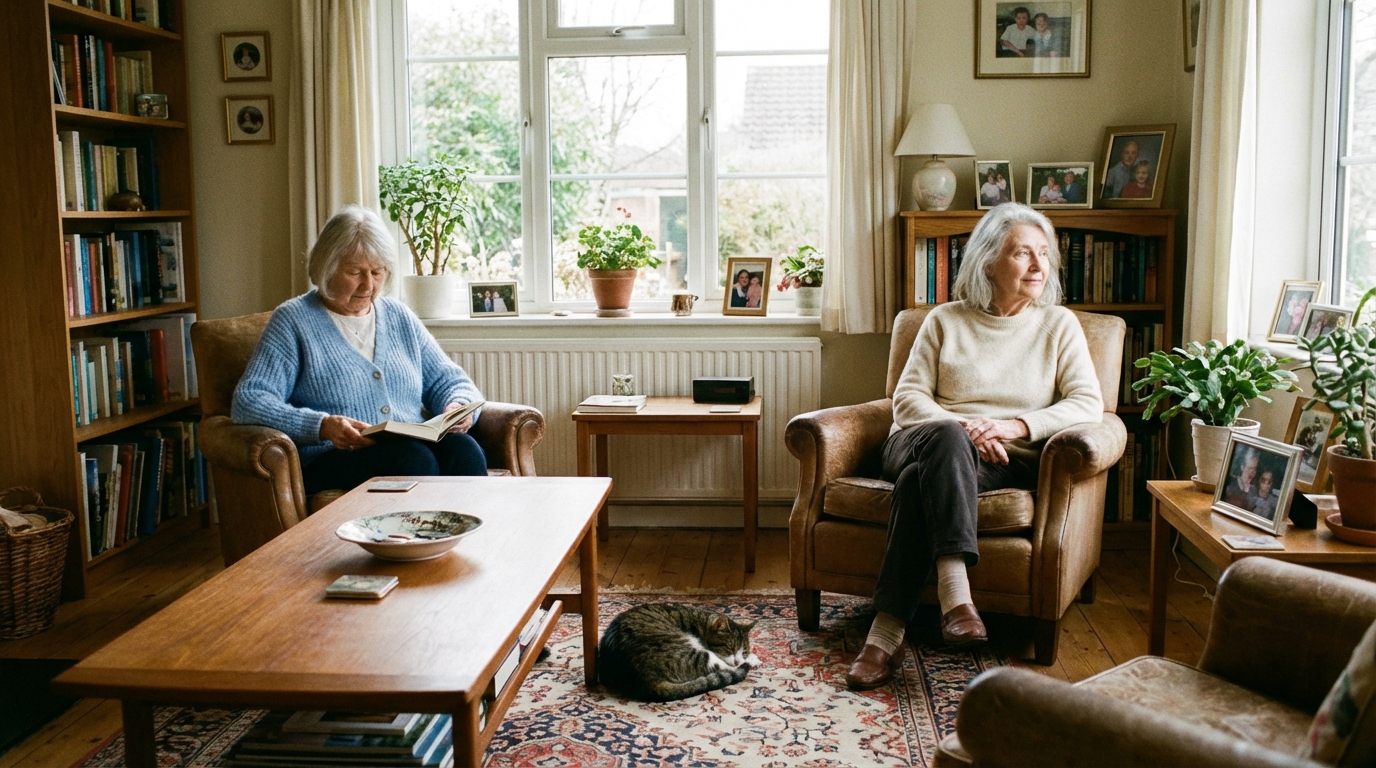
Connection at home is often pictured as conversation, shared activities, and planned time together. Yet many homes quietly hold a different kind of closeness, one built from being near without always engaging. Shared space alone can create a steady sense of belonging, safety, and understanding. This kind of connection does not rely on constant talking or togetherness. It grows from routine, awareness, and the comfort of knowing someone else is nearby.
This way of living is not about withdrawal or distance. It is about allowing relationships to breathe. When shared space is cared for with patience and attention, it becomes a gentle bridge between people. The simple act of being in the same room, doing separate things, can be enough to maintain warmth and trust.
Understanding Presence Without Demand
Presence does not always ask for interaction. In a home, presence can be as simple as footsteps in the hallway, the sound of dishes being put away, or the rustle of pages turning. These small signs tell others that life is happening nearby. They offer reassurance without requiring response.
This works because the human mind reads safety and connection through consistency. When someone is regularly present in shared spaces, the home feels settled. There is less need to check in verbally because the environment itself provides information. A quiet kitchen with a light on in the evening can say just as much as a long conversation.
Presence without demand is especially helpful on days when energy is low or focus is needed. It allows each person to remain part of the household rhythm without feeling pulled away from their own tasks or thoughts.
The Role of Shared Rooms
Shared rooms are the heart of quiet connection. Kitchens, living rooms, and dining areas naturally draw people in at different times. When these rooms are arranged to allow both interaction and independence, they support closeness without pressure.
Comfortable seating that does not force eye contact makes it easier to stay longer. A chair by a window, a table with enough space for different activities, or a couch that allows some distance all help people settle in without feeling watched.
Lighting also matters. Soft, steady light encourages calm and reduces the sense that someone should perform or engage. Harsh or overly bright lighting can make a room feel demanding, as if it expects activity.
When shared rooms are kept moderately tidy, they feel welcoming. Not spotless, but cared for. This balance signals that the space is lived in and open, not fragile or strict. People are more likely to linger when they do not fear disrupting order.
Parallel Activity and Its Quiet Strength
Parallel activity is when people do different things side by side. One person may be reading while another folds laundry. Someone might be writing while another prepares food. These moments often pass without much conversation, yet they build familiarity.
This works because the body relaxes when it senses companionship without obligation. The nervous system settles, making it easier to concentrate or rest. Over time, this shared calm becomes associated with the presence of others in the home.
Parallel activity also allows for natural, unforced interaction. A comment may arise about the weather, a task, or a passing thought. These small exchanges feel lighter because they are not planned. They come and go easily.
It helps to choose activities that do not compete for the same resources. Loud tasks paired with quiet ones can cause tension. Gentle background sounds, like chopping vegetables or turning pages, tend to blend well.
Daily Rhythms That Encourage Gentle Togetherness
Homes develop rhythms whether they are planned or not. Paying attention to these patterns can strengthen connection without adding effort. Morning routines, afternoon lulls, and evening wind-down times each offer chances for shared presence.
For example, keeping a consistent time for making tea or preparing a simple snack creates a predictable gathering point. Even if no one speaks much, the act of showing up at the same time builds a sense of unity.
Evening routines are especially important. Lowering lights, reducing noise, and slowing movements signal that the day is easing. When several people follow these cues together, the home feels aligned.
These rhythms work best when they are flexible. If someone misses a moment, it should not disrupt the flow. The strength of routine comes from repetition over time, not strict adherence.
The Value of Silence
Silence in a shared space is often misunderstood. It can feel awkward at first, especially in cultures that value constant communication. Yet silence can be deeply connecting when it is comfortable.
Comfortable silence happens when people trust that they are accepted without needing to explain themselves. It allows thoughts to settle and emotions to even out. In a home, this kind of silence often develops slowly.
To support it, avoid filling every quiet moment with noise. Background sounds like soft music or a ticking clock can be enough. Sudden loud noises or constant talking can break the calm.
It also helps to respond gently when silence is broken. A simple nod or brief reply keeps the tone relaxed. Long explanations or heavy topics can wait for a more focused time.
Small Signals That Say “You Are Not Alone”
Connection without interaction relies on subtle signals. These are small actions that show awareness of others without requiring engagement.
- Leaving a light on in a shared space during the evening.
- Placing a warm dish on the table even if others will eat later.
- Opening a window slightly when the weather is pleasant.
- Keeping commonly used items within easy reach.
These actions work because they show consideration. They tell others that their comfort has been thought about. Over time, these signals build trust.
They are most effective when done quietly and consistently. Announcing them or expecting thanks can turn a caring gesture into a transaction.
Respecting Personal Edges Within Shared Space
Shared space does not mean shared attention at all times. Each person has moments when they need distance, even while staying nearby. Respecting these edges keeps connection from turning into strain.
Body language offers clear cues. Headphones, a turned back, or focused posture often mean someone needs uninterrupted time. Honoring these signals builds mutual respect.
It is also helpful to establish gentle habits around interruption. For example, waiting for a pause before speaking or using light footsteps when passing by. These small considerations reduce friction.
When personal edges are respected, people feel safer staying in shared spaces longer. They know their boundaries will be noticed.
Shared Maintenance as Quiet Bonding
Household maintenance tasks often happen without conversation, yet they connect people through shared responsibility. Sweeping a floor, washing dishes, or organizing a shelf together creates a sense of partnership.
These tasks work well because they have clear goals and natural endings. There is no need to fill the time with talk. The focus stays on the work, which can feel grounding.
To keep this kind of bonding calm, tasks should be familiar and manageable. New or complicated jobs can create stress and require discussion. Familiar tasks allow the body to move almost automatically.
It helps to let each person work at their own pace. Matching speed is less important than sharing the space.
Meals and the Space Around Them
Meals are often seen as social events, but they also offer quiet connection. Sitting at the same table, even without much conversation, reinforces togetherness.
This works best when meals are simple and unhurried. Rushing or over-planning can make the experience tense. A modest meal served consistently creates a steady anchor in the day.
Allowing people to come and go as needed reduces pressure. Someone may finish early or arrive late. The shared table remains a point of connection regardless.
Cleaning up can be part of this quiet time. Working side by side to put things away extends the sense of shared space.
When Shared Space Feels Heavy
There are times when shared space does not feel comforting. Stress, conflict, or major changes can make presence feel charged rather than calming.
In these moments, it helps to simplify. Reducing noise, lowering lights, and focusing on basic routines can ease tension. Avoid forcing togetherness when emotions are high.
Sometimes, temporary distance within the home is needed. Using separate rooms for a while can allow feelings to settle without breaking connection entirely.
Shared space becomes supportive again when calm returns. Patience during difficult periods preserves long-term closeness.
Adjusting the Home to Support Quiet Connection
Small adjustments to the home environment can make shared space more inviting.
- Arrange furniture to allow both proximity and personal space.
- Use storage that keeps common items easy to find.
- Choose materials that soften sound, like rugs or curtains.
- Keep frequently used areas free of clutter.
These changes work because they reduce friction. When movement through the home is easy and comfortable, people are more likely to stay in shared areas.
Adjustments should be gradual. Sudden changes can feel disruptive. Slow shifts allow everyone to adapt.
The Long View of Everyday Closeness
Connection built through shared space alone develops over time. It is not always noticeable day to day. Its strength shows in moments of stress or change, when the home still feels steady.
This kind of closeness does not depend on constant reassurance. It grows from routine, care, and the quiet knowledge that others are nearby.
By honoring presence without demand, homes can support relationships in a way that feels natural and lasting.