
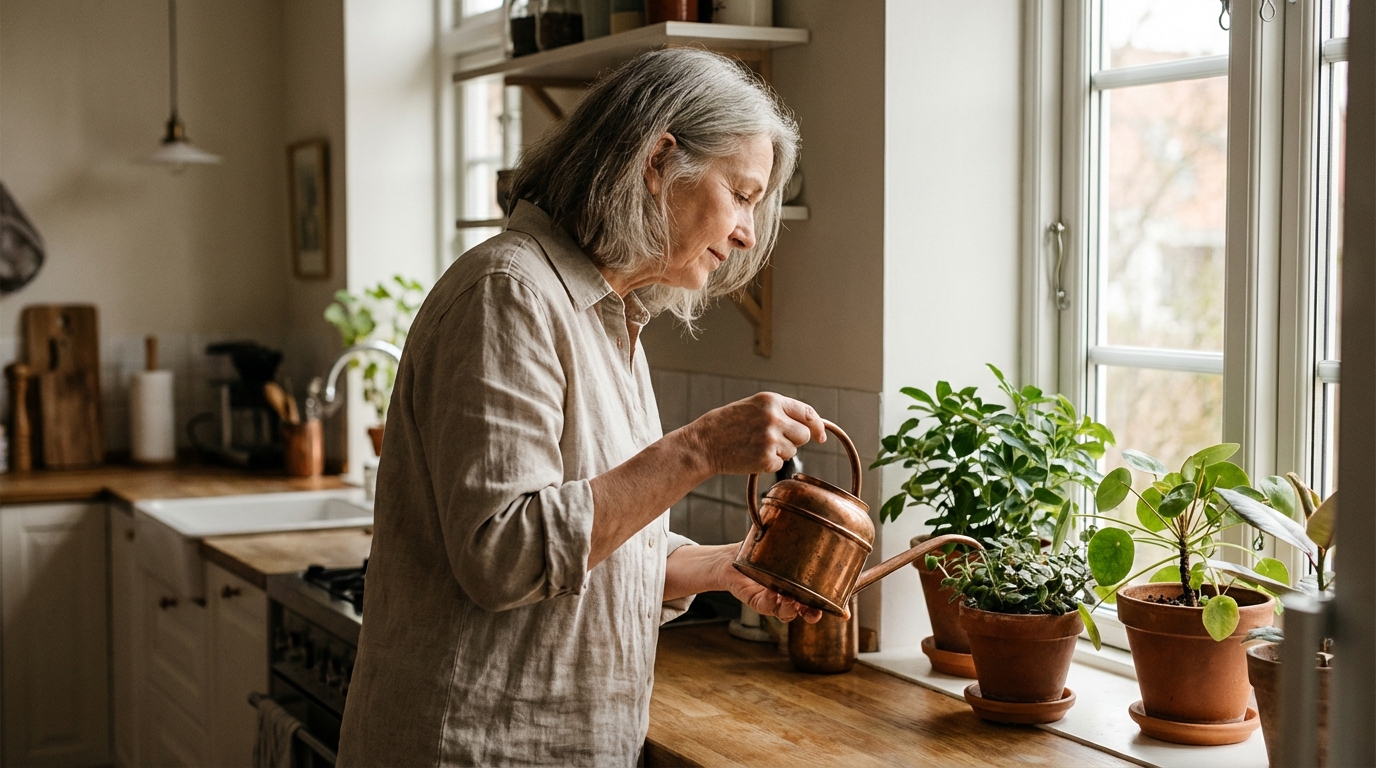
Care is often learned without formal lessons. It shows itself in the way lights are turned off when leaving a room, how dishes are rinsed before they dry, and how a coat is hung so it will be ready next time. These quiet actions speak every day. They teach patience, attention, and responsibility without asking for focus or explanation. In a home, daily example becomes the steady language through which care is understood.
This kind of teaching does not depend on speeches or reminders. It grows out of repetition, calm choices, and small decisions made the same way each day. Over time, these patterns settle into memory. They become the default way of doing things, shaping how others treat objects, spaces, and each other.
The Power of Visible Care
Care is most easily learned when it can be seen. Actions that are hidden or rushed past do not carry the same weight as those done openly and at a steady pace. When care is visible, it becomes understandable. The reason behind it does not need to be explained every time.
For example, setting a table with intention shows that meals matter. Plates are placed evenly, utensils are aligned, and napkins are folded instead of tossed. This takes only a moment longer than placing things quickly, but the difference is clear. It signals that the shared meal deserves attention.
Visible care also includes how objects are handled. A mug carried with two hands when it is full, a book closed gently instead of bent backward, or shoes placed side by side instead of kicked off all show respect for things that are used daily. These actions quietly suggest that items last longer when treated thoughtfully.
When care is visible, it becomes easier for others to copy. It does not feel like a rule to follow. It feels like the natural way to move through the day.
Daily Routines as Silent Teachers
Routines are the strongest teachers in a home. They remove the need for constant decisions and replace them with rhythm. When something happens the same way each day, it becomes familiar and expected.
Morning routines, for instance, can teach responsibility without a word. Opening curtains to let in light, making the bed before leaving the room, and wiping the sink after use all suggest that the day begins with order. These steps show that a space is cared for before it is left behind.
Evening routines teach closure and rest. Dishes are washed or at least stacked neatly. Floors are checked for clutter. Doors are locked and lights are dimmed. These actions prepare the home for quiet and signal that rest is valued.
The key is consistency. A routine that changes every few days does not teach much. A routine that stays mostly the same allows others to learn what matters in that household.
Care in the Kitchen
The kitchen is one of the clearest places where care is demonstrated. It is a space of daily use, shared work, and visible results.
Care begins before food is even prepared. Ingredients are checked for freshness. Counters are cleared before cooking starts. Hands are washed without being reminded. These steps show respect for health and effort.
During cooking, care shows up in pacing. Heat is adjusted instead of left too high. Food is stirred so it does not stick or burn. Spills are wiped as they happen rather than ignored. These actions show attention and patience.
After a meal, care continues. Leftovers are stored properly, not pushed to the back of the refrigerator uncovered. Dishes are scraped and rinsed so food does not harden. The sink is left clean for the next use.
These habits teach that work does not end when eating is done. They also show that caring for a space makes the next task easier.
Why Kitchen Habits Stick
Kitchen habits tend to stick because the results are immediate. A clean counter invites use. A tidy refrigerator makes food easier to find. When care leads to clear benefits, it is more likely to be repeated.
When these habits are done calmly, without complaint, they communicate that care is simply part of daily life, not an extra burden.
Cleaning as Ongoing Maintenance
Cleaning is often thought of as a large task, but daily example teaches it as ongoing maintenance. Small actions done regularly prevent larger problems later.
Wiping a spill right away prevents stains. Shaking out a rug keeps dirt from settling deep into the fibers. Opening windows briefly allows fresh air to move through a room.
These actions take little time, but they show foresight. They teach that care is easier when it is steady rather than saved for rare, exhausting efforts.
Cleaning done with care is also quieter. Movements are unhurried. Tools are put back where they belong. There is no rush to finish at any cost. This approach teaches that caring for a home does not need to feel stressful.
Repair and Respect for Objects
Homes teach care through how broken or worn items are handled. When something stops working, the response matters.
A loose button is sewn back on instead of ignored. A squeaky hinge is oiled. A chipped mug is set aside for repair or repurposed rather than thrown away immediately. These actions show that objects are worth tending to.
Repair teaches patience. It often takes longer than replacing something, but it also builds understanding. Seeing how things are put together encourages gentler use in the future.
Not everything can or should be fixed. Knowing when to let go is also part of care. Items that no longer serve their purpose are released thoughtfully, not in frustration.
Teaching Patience Through Waiting
Patience is not taught by telling someone to wait. It is taught by showing how waiting is handled.
Water is allowed to come to a full boil instead of turning the heat too high. Dough is given time to rise. Paint is left to dry fully before another coat is added.
These moments show that some results cannot be rushed. They teach trust in process. When waiting is treated as normal rather than annoying, it becomes easier to accept.
Patience also appears in daily interruptions. A question is answered without irritation. A mistake is corrected calmly. These responses show that care includes emotional steadiness.
Consistency Over Perfection
Daily example does not require perfection. In fact, striving for perfection can make care feel unreachable.
Consistency matters more. A floor that is swept regularly, even if not spotless, stays easier to manage. A schedule that is mostly followed provides structure, even when adjustments are needed.
When mistakes happen, how they are handled teaches more than the mistake itself. A spill cleaned without anger shows that accidents are part of life. A forgotten task addressed later shows flexibility.
This approach teaches that care is ongoing. It is not undone by a single misstep.
Shared Spaces and Mutual Responsibility
Shared spaces offer constant lessons in care. Living rooms, bathrooms, and entryways reflect how responsibility is distributed.
In a shared bathroom, replacing an empty roll, wiping the sink after use, and hanging towels to dry show consideration. These actions make the space welcoming for the next person.
Entryways teach care through preparation. Shoes are arranged so others can pass easily. Bags are placed where they do not block doors. These small choices show awareness of others.
When shared spaces are tended regularly, they feel calmer. This calm encourages others to contribute rather than avoid responsibility.
Care Through Follow-Through
Follow-through is a quiet but powerful form of care. It shows that intentions matter only when they are completed.
If laundry is started, it is finished and folded. If a promise is made to fix something, the tools are gathered and the task is done. This reliability builds trust.
Follow-through also includes returning items to their place. Keys go back to the hook. Tools return to their drawer. This habit saves time and reduces frustration later.
When follow-through is consistent, it teaches that care includes seeing tasks through, even when the initial effort is no longer interesting.
Emotional Care in Everyday Moments
Care is not only physical. Emotional care is taught through tone, timing, and attention.
Listening without interrupting shows respect. Pausing before responding prevents unnecessary conflict. These actions show that feelings are handled with the same care as objects.
Apologies given sincerely and without excuses teach accountability. They show that care includes acknowledging harm and making amends.
Comfort offered quietly, without trying to fix everything, teaches presence. It shows that being there matters more than having answers.
Boundaries as a Form of Care
Boundaries are often misunderstood, but they are a clear expression of care. They protect time, energy, and resources.
Setting a regular bedtime routine protects rest. Saying no to extra commitments protects balance. These choices show that care includes limits.
Boundaries also apply to belongings. Borrowed items are returned promptly. Personal spaces are respected. These practices teach that care includes honoring what belongs to others.
When boundaries are held calmly and consistently, they feel supportive rather than restrictive.
Seasonal Rhythms in the Home
Homes change with the seasons, and these changes offer lessons in care.
Heavier blankets are brought out as temperatures drop. Windows are opened on mild days. These adjustments show attentiveness to environment.
Seasonal cleaning, done gradually, prevents overwhelm. Closets are checked. Items no longer needed are set aside thoughtfully.
Cooking also shifts with the seasons. Heavier meals give way to lighter ones. This responsiveness teaches that care involves paying attention to changing needs.
Rest as an Act of Care
Rest is often overlooked, but it is a crucial part of daily example.
Lights are dimmed in the evening. Noisy tasks are saved for earlier in the day. These choices signal that rest is respected.
Taking breaks during work prevents exhaustion. Sitting down for a few minutes after a long task shows that bodies need recovery.
When rest is treated as necessary rather than optional, it teaches sustainable care.
Learning Through Observation
People learn most by watching what is done repeatedly. Words may be forgotten, but actions remain.
When care is shown consistently, it becomes the standard. Others begin to mirror the pace, tone, and habits they see.
This kind of teaching requires patience. Results appear slowly. Over time, however, these daily examples shape how care is understood and practiced.
In a home guided by steady routines and thoughtful actions, care becomes part of the atmosphere. It is felt in the way tasks are approached, spaces are maintained, and people are treated. Through daily example, care is taught quietly and effectively, one ordinary moment at a time.