
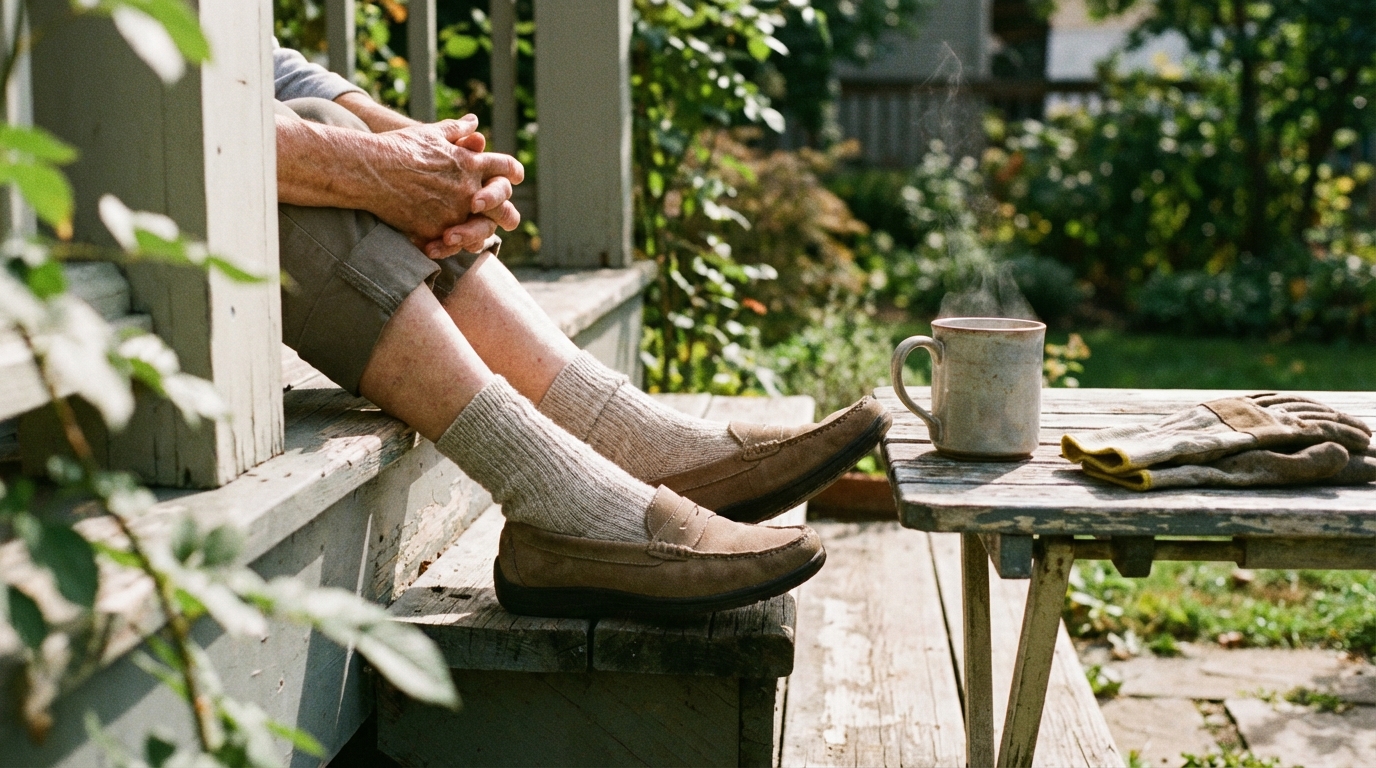
Daily life is made of movement. Standing up, sitting down, walking from room to room, shifting from work to rest, from effort to ease. These changes seem small, but the body notices every one of them. Calm transitions between activities help the body recover, adjust, and stay steady. When changes happen too quickly, the body is asked to catch up all at once. Over time, that strain can settle into muscles, joints, digestion, breathing, and sleep.
Calm transitions are not about slowing life to a crawl. They are about giving the body a moment to follow along with what the mind has decided to do. This practice fits naturally into home life, where routines, care, and patience guide the day. Understanding why transitions matter helps turn small pauses into quiet support for physical health.
The Body Is Always Adjusting
The body works best when it can anticipate what comes next. Muscles tighten or release, blood flow shifts, breathing changes depth, and the nervous system decides whether to stay alert or begin to rest. All of this happens automatically, but it still takes time.
When an activity changes suddenly, the body has to make many adjustments at once. For example, standing quickly after sitting can cause lightheadedness because blood has not yet moved where it needs to go. Ending a busy task and immediately lying down can leave the heart rate elevated and the mind restless. These reactions are not signs of weakness. They are signals that the body needs a bridge between states.
Calm transitions provide that bridge. They allow systems to shift in order instead of all at once. Over time, this reduces wear and tear and supports recovery.
Why Sudden Changes Create Strain
Every activity places certain demands on the body. Lifting, cleaning, concentrating, cooking, or even listening closely all require effort. When effort stops abruptly, the body does not immediately return to a resting state.
Muscles may stay partially engaged. Breathing may remain shallow. Stress hormones may linger. If this pattern repeats many times a day, the body stays in a constant state of catching up. That lingering effort can show up as stiffness, fatigue, or poor sleep.
Calm transitions help the body finish one task before starting the next. This completion is what allows recovery to begin.
Moving Between Physical Activities
Physical transitions are the most visible. They include standing, sitting, bending, reaching, and walking. These movements seem simple, but they involve coordination, balance, and strength.
Moving calmly between positions protects joints and muscles by allowing them to engage and release in the proper order.
Standing Up and Sitting Down
Standing up quickly can strain the knees, hips, and lower back. It can also cause a brief drop in blood pressure. Sitting down too quickly can jar the spine.
A calm transition looks like this:
- Before standing, place both feet flat on the floor.
- Lean forward slightly to bring weight over the feet.
- Push through the legs rather than pulling with the back.
- Pause for a moment once standing to let balance settle.
This sequence allows the large leg muscles to do their job, reduces pressure on smaller joints, and gives the circulatory system time to adjust.
When sitting, reversing the steps helps just as much. Lowering slowly keeps muscles engaged until the body is supported. This protects the hips and spine and reduces impact.
Changing Tasks During Chores
Home routines often involve switching between tasks. Cleaning a counter, then reaching down to wipe a floor, then standing again to put things away. Each change shifts the body’s center of gravity.
Pausing briefly between these changes reduces strain. Straightening up fully before bending again helps reset posture. Taking a breath between tasks allows muscles to release instead of staying tense.
Over the course of a day, these small pauses can mean the difference between feeling steady and feeling worn down.
Transitions Between Effort and Rest
One of the most important transitions is the shift from activity to rest. Rest supports recovery only when the body recognizes that effort has ended.
Stopping abruptly does not always signal rest to the body. Instead, it can leave the system suspended between states.
Why Rest Needs Preparation
After physical or mental effort, the body remains alert. Heart rate may stay elevated. Muscles may remain tight. The mind may replay tasks or anticipate the next one.
A calm transition helps the body understand that it is safe to let go. This can be as simple as slowing movements, lowering the voice, or changing the environment slightly.
For example, after finishing housework, sitting quietly for a few minutes before lying down allows breathing and heart rate to slow naturally. This makes rest more effective and refreshing.
The Role of Breathing
Breathing is a powerful bridge between effort and rest. During activity, breaths tend to be quicker and shallower. During rest, they become slower and deeper.
Taking a few intentional, unhurried breaths during transitions helps signal the nervous system to shift gears. There is no need for special techniques. Simply allowing the breath to slow and deepen naturally is enough.
This practice supports recovery by reducing unnecessary tension and improving oxygen flow.
Mental Transitions Affect the Body
Not all transitions are physical. Moving from one mental task to another also affects the body. The mind and body are closely linked, especially in everyday routines.
Switching attention too quickly can keep the body in a state of alertness even when physical movement has stopped.
From Focus to Ease
Tasks that require concentration, such as planning meals, managing schedules, or solving problems, engage the nervous system. When these tasks end, the body does not instantly relax.
Allowing a few moments of quiet between mental tasks helps the body release that alert state. This can be done by looking out a window, stretching gently, or doing a simple, familiar activity.
These moments are not wasted time. They support mental clarity and physical comfort for the rest of the day.
Evening Transitions
The transition from daytime activity to evening rest is especially important. If the day ends abruptly with stimulation or rushing, the body may carry that energy into the night.
Simple evening routines help ease this shift. Dimming lights gradually, lowering noise, and choosing calmer activities give the body cues that rest is approaching.
This gentle approach supports deeper sleep and better overnight recovery.
The Nervous System and Safety
The nervous system constantly asks one question: is this safe? Calm transitions answer that question with reassurance.
Sudden changes can be interpreted as stress, even if nothing is actually wrong. Calm changes communicate stability and predictability.
Predictable Routines Build Ease
When daily routines follow a familiar rhythm, the nervous system relaxes. It knows what to expect. Transitions become smoother because the body recognizes the pattern.
This does not require strict schedules. It simply means doing common activities in a similar order each day. For example, preparing for bed in the same sequence or starting the morning with the same few steps.
These patterns reduce the physical cost of constant adjustment.
Why Rushing Feels So Hard
Rushing compresses transitions. It removes the space the body needs to adjust. Even when tasks are completed, the body may still feel behind.
Over time, frequent rushing can lead to chronic tension. Muscles stay tight, breathing stays shallow, and rest feels incomplete.
Slowing transitions slightly often relieves these issues without changing the amount of work done.
Practical Ways to Soften Transitions at Home
Calm transitions do not require special equipment or extra time. They are woven into ordinary actions.
Before Starting a Task
Beginning a task calmly prepares the body for effort. This reduces strain and improves efficiency.
- Stand still for a moment before lifting or reaching.
- Check posture and footing.
- Take one steady breath.
This brief preparation helps muscles engage properly and reduces the risk of injury.
Between Tasks
Small pauses between tasks allow the body to reset.
- Straighten the spine after bending.
- Shake out the hands after gripping tools.
- Let the shoulders drop before moving on.
These actions release tension before it accumulates.
After Finishing
Ending a task calmly signals completion.
- Put tools away slowly.
- Wash hands with attention.
- Sit or stand quietly for a moment.
This sense of closure helps the body shift toward rest.
Transitions and Recovery Over Time
The effects of calm transitions are often subtle at first. They build gradually.
Over weeks and months, the body begins to trust that it will not be pushed abruptly from one state to another. This trust supports recovery in many ways.
Joint and Muscle Health
Joints are designed to move smoothly. Sudden movements increase friction and strain. Calm transitions keep movements controlled and aligned.
Muscles recover more fully when they are allowed to relax completely between efforts. Frequent partial tension interferes with this process.
Soft transitions reduce this lingering tension.
Energy Levels
When transitions are rushed, energy is spent on constant adjustment. Calm transitions conserve energy by allowing systems to work efficiently.
This can lead to steadier energy throughout the day, rather than sharp rises and falls.
Sleep Quality
Sleep depends on the body’s ability to shift into a deep resting state. Calm evening transitions support this shift.
When the day winds down gradually, sleep comes more easily and feels more restorative.
When Calm Transitions Are Most Needed
Some situations place extra demand on the body and benefit especially from gentle transitions.
After Physical Exertion
Yard work, deep cleaning, or carrying heavy items all stress muscles and joints. Ending these activities abruptly can leave muscles tight and sore.
Cooling down with slow movements and relaxed breathing helps the body clear waste products and begin repair.
During Busy Days
On days filled with errands and responsibilities, transitions often disappear. Tasks blend together without pause.
Adding even a few seconds of calm between activities can prevent overload. This might mean sitting in the car for a moment before going inside or standing quietly before starting the next chore.
When Feeling Unwell or Tired
Fatigue reduces the body’s ability to adjust quickly. Calm transitions become even more important.
Moving slowly and deliberately during these times protects against strain and supports healing.
Teaching the Body Through Repetition
The body learns from repeated experience. When calm transitions are practiced regularly, they become automatic.
Over time, the body begins to anticipate ease rather than bracing for sudden change.
Small Habits That Last
Large changes are hard to maintain. Small, consistent habits are easier.
Choosing one or two transitions to soften each day is often enough to create lasting change. For example, always pausing before sitting down or always taking a breath before lying down.
These habits require little effort but offer steady support.
Listening to Physical Signals
The body often signals when transitions are too abrupt. Stiffness, shallow breathing, or a sense of being unsettled are clues.
Responding to these signals with a slower pace builds awareness and care.
The Quiet Strength of Patience
Calm transitions are an expression of patience with the body. They recognize that physical systems have their own timing.
Respecting that timing reduces conflict within the body. Instead of forcing quick changes, transitions become cooperative.
This cooperation supports long-term comfort and resilience.
Everyday Examples That Add Up
Calm transitions show up in ordinary moments.
- Rising from the table without rushing.
- Setting down bags before turning to the next task.
- Standing still briefly after climbing stairs.
- Letting the eyes rest before switching from close work to distance.
Each example is small. Together, they shape how the body feels at the end of the day.
A Home That Supports Ease
The home environment can encourage calm transitions.
Clear Pathways
Clutter forces sudden movements and quick adjustments. Clear pathways allow smooth, predictable movement.
This reduces physical strain and supports balance.
Supportive Seating
Chairs and surfaces at comfortable heights make standing and sitting easier. When furniture supports natural movement, transitions become safer and calmer.
Gentle Lighting
Harsh lighting can keep the body alert. Softer light, especially in the evening, supports mental and physical transition toward rest.
Understanding Why It Works
Calm transitions work because they align with how the body is built to function. Systems adjust gradually, not instantly.
By matching the pace of change to the body’s natural rhythms, stress is reduced and recovery is supported.
This understanding turns everyday movements into acts of care.