
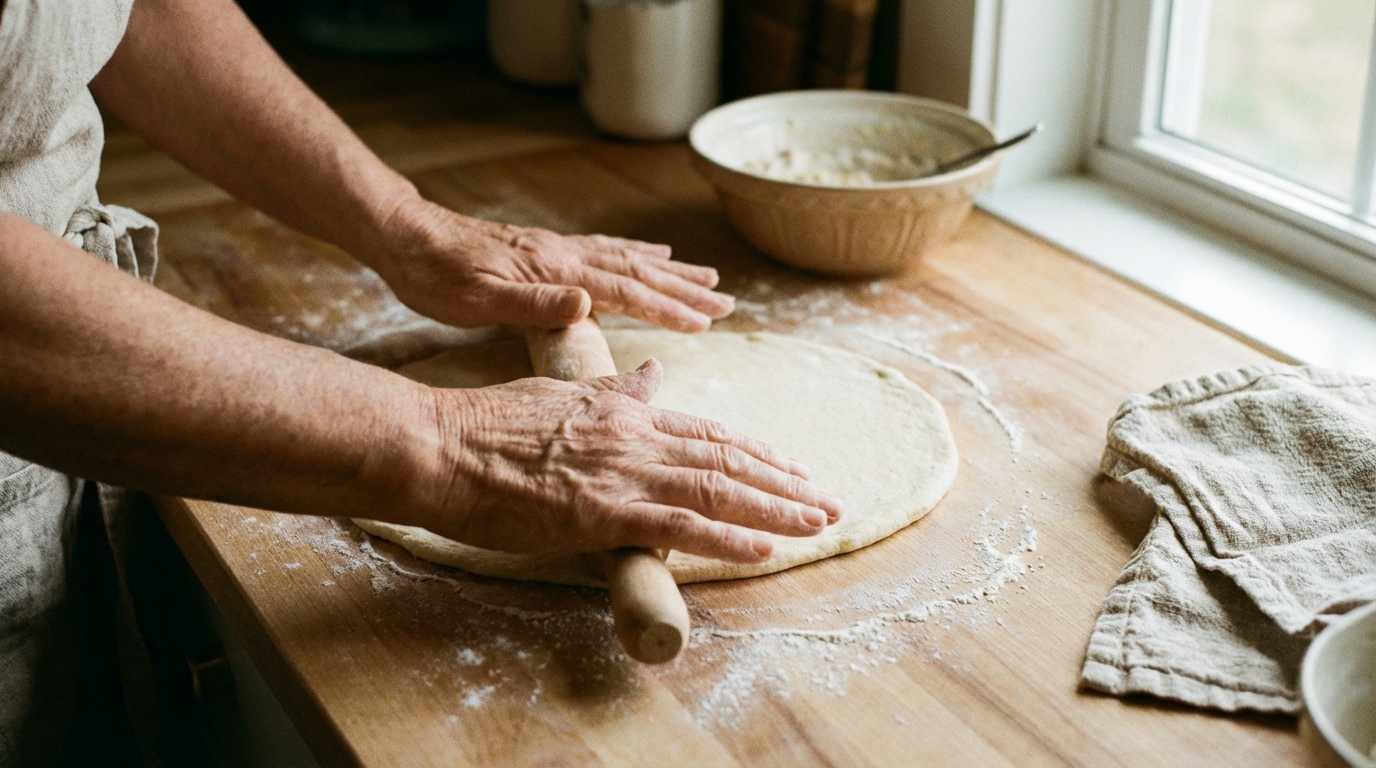
Cooking has always been part of daily life, woven quietly into the rhythm of the home. When meals are prepared at a calm pace, the kitchen becomes a place of steady movement rather than hurried motion. This pace shapes not only how food tastes, but how the entire process feels. Slowing down does not mean spending more hours at the stove. It means giving each step enough attention so that nothing has to be fixed later.
A calm approach to cooking builds confidence over time. It encourages noticing small changes in color, scent, and sound. These details guide better decisions than any clock or recipe alone. When the pace is steady, food responds more predictably, and the cook feels less pressure to rush ahead before the moment is right.
Calm Pace as a Kitchen Habit
Cooking at a calm pace is not a special technique. It is a habit that shapes how the kitchen is used day after day. This habit begins before the stove is even turned on.
Moving slowly enough to prepare ingredients in order prevents confusion later. When vegetables are washed and cut before heat is applied, there is no need to scramble while something cooks too fast. This small act sets the tone for the rest of the meal.
A calm pace also reduces waste. When attention is steady, ingredients are less likely to be forgotten in the pan or left unused on the counter. Food is handled with care, and less ends up overcooked or thrown away.
This habit works best when cooking is treated as a sequence of simple steps rather than a race to the finish. Each step builds naturally on the one before it.
How Slowing Down Improves Flavor
Flavor develops over time. Rushing often interrupts this process before it is complete.
When food is cooked too quickly, heat may be too high. This causes the outside to brown before the inside is ready. Slowing down allows heat to travel evenly through food, especially with thicker ingredients like root vegetables, grains, and meats.
Gentle cooking also gives natural sugars time to develop. Onions, for example, become sweet not because sugar is added, but because their own sugars slowly caramelize. This transformation cannot be rushed without burning.
Seasoning benefits from a calm pace as well. Salt needs time to dissolve and spread. Added early, it draws out moisture and deepens flavor. Added in a rush at the end, it often sits on the surface without blending.
Listening to Food While It Cooks
Food gives quiet signals while cooking. A calm pace makes it easier to hear and respond to them.
- A gentle sizzle means the heat is balanced.
- A loud, sharp crackle often signals too much heat.
- Silence after adding ingredients may mean the pan is not warm enough.
These sounds guide adjustments better than strict times. A rushed cook may ignore them, while a calm cook notices and responds early.
Better Control Over Heat and Timing
Heat is one of the most important tools in the kitchen, yet it is often misused when cooking feels hurried.
Turning heat too high is a common reaction to feeling behind. This rarely saves time. Instead, it creates uneven cooking and increases the risk of burning.
A calm pace allows heat to be adjusted gradually. This gives the cook time to observe how food responds. Lower heat provides more room for correction. Once food is burnt, it cannot be undone.
Timing improves when cooking is steady. When one task is completed before the next begins, steps do not overlap in stressful ways. This prevents situations where multiple items need attention at the same moment.
Why Lower Heat Often Cooks Faster in the End
Although it seems slower, moderate heat often shortens the total cooking process.
Food cooked evenly does not require constant stirring, flipping, or rescuing. It can be left to do its work while attention moves to another task. High heat demands constant supervision, which pulls focus and increases mistakes.
Calm cooking uses time efficiently by avoiding problems that need fixing.
The Relationship Between Calm Cooking and Safety
The kitchen contains sharp tools, hot surfaces, and slippery spills. A rushed pace increases the chance of injury.
When movements are steady, knives are used with more care. Fingers stay out of harm’s way because attention is not divided. Hot pans are moved with intention rather than haste.
Spills are noticed and cleaned quickly instead of being stepped over. This reduces the risk of slipping and falling.
Safety improves not through strict rules, but through awareness. Calm cooking keeps awareness present.
Cleaner Kitchens Through Steady Movement
A calm pace naturally leads to a tidier kitchen.
When tasks are done in order, there is time to rinse a knife or wipe a surface between steps. This prevents clutter from building up.
Cleaning as cooking continues does not interrupt the process. It supports it. Clear counters make it easier to see what comes next.
Rushing often leads to piles of dishes and scraps that feel overwhelming at the end. Calm cooking spreads the work evenly across the entire process.
Small Cleaning Habits That Fit a Calm Pace
- Returning ingredients to their place after use.
- Wiping spills as soon as they happen.
- Soaking used tools while food cooks.
These habits work because they require very little effort when done at the right moment.
Emotional Ease in the Kitchen
The pace of cooking affects mood more than many realize.
When cooking feels rushed, tension builds. This tension can carry into the meal itself. Food prepared under stress often reflects that energy.
A calm pace creates a sense of ease. Movements become familiar and reassuring. The kitchen feels like a place of care rather than pressure.
This emotional steadiness supports patience. If something takes longer than expected, it is easier to wait rather than force it.
Teaching Attention Through Repetition
Cooking at a calm pace teaches attention through repeated actions.
Simple tasks like stirring, chopping, and tasting become opportunities to learn. Over time, hands remember how much pressure to use and eyes learn what readiness looks like.
This knowledge cannot be rushed into place. It develops through many quiet meals prepared without hurry.
When attention is present, confidence grows naturally. There is less reliance on strict instructions and more trust in observation.
Why Calm Cooking Supports Better Digestion
How food is prepared affects how it is received by the body.
Food cooked gently is often easier to digest. Even heat breaks down fibers and proteins more thoroughly. This makes nutrients more accessible.
Meals prepared without rush are also more likely to be eaten slowly. This allows the body time to respond to fullness and satisfaction.
Calm cooking supports the entire cycle of nourishment, from preparation to eating.
Working With Ingredients, Not Against Them
Every ingredient has its own rhythm.
Grains need time to absorb water. Beans need time to soften. Dough needs time to rest. Forcing these processes leads to uneven results.
A calm pace respects these needs. It allows ingredients to change at their own speed.
This respect reduces frustration. When expectations match reality, cooking becomes smoother.
Recognizing When Patience Matters Most
- When simmering soups or stews.
- When allowing batter to settle before baking.
- When letting cooked food rest before serving.
These pauses improve texture and flavor. Skipping them often leads to disappointment.
Planning That Supports a Calm Pace
Calm cooking is easier when meals are planned with care.
This does not require detailed schedules. It simply means choosing meals that fit the time and energy available.
On busy days, simple dishes with fewer steps prevent rush. On slower days, meals that simmer quietly can be enjoyed without pressure.
Planning supports calm by matching effort to circumstance.
The Role of Routine in Cooking Calmly
Routine provides structure without rigidity.
When certain steps are done the same way each time, less mental effort is needed. This frees attention for noticing changes and making adjustments.
Routine reduces decision fatigue. The cook does not need to rethink every movement.
This steadiness allows cooking to feel natural rather than demanding.
Calm Pace and Consistent Results
Consistency comes from repetition done with care.
Rushed cooking produces unpredictable outcomes. Calm cooking produces reliable ones.
When each step is given its due, results improve steadily. Mistakes still happen, but they are easier to understand and correct.
Over time, this builds trust in the process.
Sharing Food Prepared with Care
Meals cooked at a calm pace carry a sense of attention.
This attention is felt by those who eat the food. The meal feels complete and considered.
Sharing such food supports connection. It invites people to slow down and enjoy the moment.
The kitchen becomes a quiet center of the home, supporting daily life through steady care.
Choosing Calm in Everyday Cooking
Cooking does not need to be dramatic to be meaningful.
Choosing a calm pace is a practical decision that improves flavor, safety, and satisfaction.
It turns routine meals into moments of steadiness.
In the quiet work of preparing food, patience proves its value again and again.