
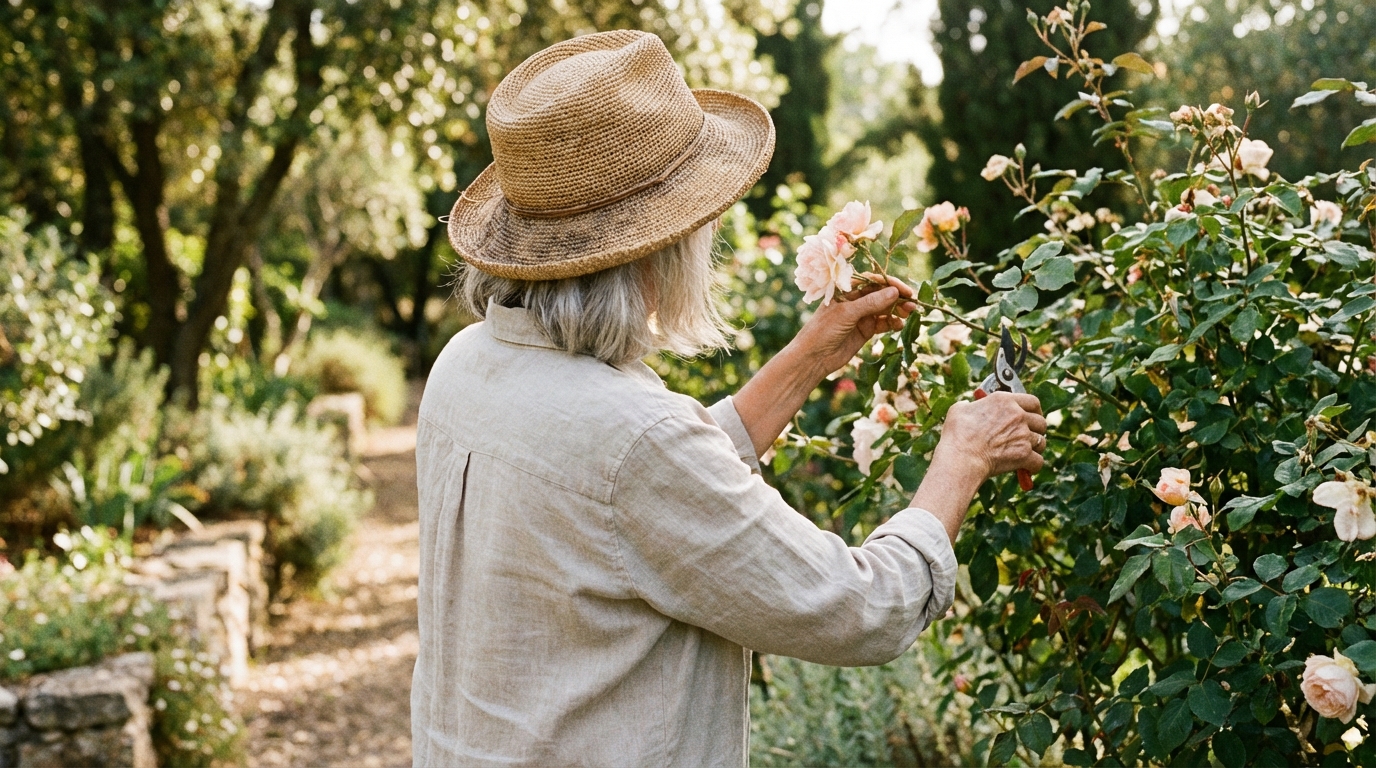
There is a quiet strength in stepping outside each day, even for a few minutes. A short walk through a garden, a pause by a planter, or standing near a patch of green can shift the tone of the whole day. These moments are not about productivity or accomplishment. They are about keeping a steady connection to living things and to the slow rhythms that exist just beyond the door.
Daily garden visits work best when they are simple and repeatable. No special tools are required. No checklist needs to be completed. The value comes from returning again and again, letting small observations accumulate. Over time, this steady habit can help attention settle and emotions find a calmer pace.
Why brief outdoor moments have lasting effects
The human mind responds to patterns and cues. Indoor spaces tend to be full of sharp edges, straight lines, and signals asking for decisions. Outdoors, even in a small garden, the shapes are softer and the movement is slower. Leaves shift, light changes, and insects move on their own schedules.
These gentle changes give the mind a place to rest. Attention does not need to be forced. It can drift lightly from one detail to another without effort. This kind of attention is different from the focus used for tasks. It is more like watching than doing.
When this happens regularly, the mind becomes better at switching out of tension. A short visit each day trains this ability. Over time, it becomes easier to return to a calm state even indoors.
The role of predictability
Daily visits matter more than occasional long ones because of predictability. When the body knows that it will have a moment outside, it stops holding onto stress as tightly. The routine itself becomes reassuring.
This does not mean the visit must happen at the same minute every day. It simply needs to be reliable. Morning, afternoon, or early evening all work. What matters is that the garden becomes part of the normal flow of the day.
How gardens gently reset attention
Attention becomes strained when it is pulled in too many directions. Screens, noise, and constant choices wear it down. A garden offers a different kind of engagement. It invites noticing without demanding action.
Looking at plants does not require decisions. There is no need to judge or compare. The eyes can rest on color and texture. This soft focus allows mental tension to loosen.
Small details that make a difference
The most effective garden visits often focus on small, specific details rather than the whole space. This might include:
- Watching how sunlight moves across one leaf.
- Noticing which flowers opened since the last visit.
- Checking soil moisture with fingertips instead of guessing.
- Observing how birds or insects interact with the space.
These small observations anchor attention without effort. They are simple enough that the mind does not wander into worry, yet engaging enough to prevent boredom.
Why this works better than passive rest
Simply sitting still indoors does not always calm the mind. Thoughts can loop and gather momentum. In a garden, the senses are gently occupied. The sound of leaves, the feel of air on skin, and the smell of soil create a balanced sensory experience.
This balance keeps attention grounded. It prevents the mind from drifting too far while still allowing rest.
The connection between gardens and mood
Mood is influenced by both environment and routine. Gardens support mood by offering signs of continuity. Plants grow slowly. Changes happen, but not all at once. This steady pace can be comforting, especially on days that feel unsettled.
Daily visits reinforce the idea that care over time matters. Even when nothing dramatic happens, the act of checking in maintains a sense of stability.
Light, air, and movement
Natural light plays a key role in emotional balance. Even brief exposure helps regulate internal rhythms. A garden visit allows the eyes to adjust to natural brightness, which can feel refreshing after indoor lighting.
Fresh air also contributes. Opening the lungs fully, even for a few breaths, signals the body to relax. Gentle movement, such as walking or bending to look closely at a plant, further supports this process.
When mood support is subtle
The effect on mood is often quiet. There may not be a sudden lift. Instead, the absence of heaviness becomes noticeable. Irritation fades more quickly. Small frustrations lose their sharp edge.
This subtlety is part of what makes daily visits sustainable. There is no pressure to feel a certain way. The garden offers support without expectation.
Building a daily garden routine that lasts
Routines succeed when they fit naturally into existing habits. A garden visit can be attached to something already done each day, such as opening windows, watering indoor plants, or stepping outside to check the weather.
Keeping the visit short removes barriers. Five minutes is enough. On busy days, even two minutes can maintain continuity.
Choosing the right time of day
Morning visits often feel quiet and grounding. The light is softer, and the air is cooler. This can set a steady tone for the day.
Midday visits can provide a reset between tasks. They work best when the sun is not too harsh.
Evening visits offer closure. Watching the light fade or watering plants can signal the body that the day is winding down.
There is no single correct choice. The best time is the one that can be kept most consistently.
Keeping expectations realistic
A daily visit does not require visible progress. Some days there will be little to notice. Other days may bring small disappointments, such as wilted leaves or pests.
Accepting this range of experiences prevents frustration. The routine is about presence, not results.
Using the garden as a place for care
Care is at the heart of daily garden visits. Simple acts of maintenance connect the visitor to the space. These tasks should remain light and manageable.
Examples include checking soil moisture, removing a few weeds, or adjusting plant supports. These actions create a sense of participation without becoming chores.
Why light care supports attention
Hands-on tasks engage the body and mind together. They require just enough focus to stay present. This prevents mental wandering while avoiding strain.
The tactile experience of soil and leaves also grounds attention. It reminds the body of natural textures that are often missing indoors.
Knowing when to stop
Stopping before fatigue sets in is important. The goal is to leave the garden feeling refreshed, not depleted. Ending the visit while energy remains makes it easier to return the next day.
Adapting the practice to different spaces
A garden does not need to be large or traditional. Containers, window boxes, and small patches of green all count. What matters is the presence of living plants and the opportunity to observe them closely.
Small spaces and urban settings
In limited spaces, focus on plants that show clear changes. Herbs, leafy greens, and flowering plants provide frequent visual feedback.
Placing containers at eye level encourages regular observation. When plants are easy to see and reach, visits happen naturally.
Indoor and outdoor balance
On days when outdoor access is limited, indoor plants can support the routine. Opening a window near them and taking a moment to tend leaves or check moisture maintains the connection.
While indoor visits do not fully replace outdoor ones, they keep the habit alive during interruptions.
Seasonal shifts and their impact
Each season changes the character of daily garden visits. Understanding these shifts helps maintain the routine year-round.
Spring and early growth
During periods of rapid growth, visits may feel more engaging. Changes happen quickly, and attention is easily captured.
It can be helpful to slow down during this time, resisting the urge to do too much at once. Observing before acting preserves the calming effect.
Summer fullness
In full growth, gardens can feel abundant. The sensory experience is rich, with strong colors and scents.
Short visits prevent overwhelm. Choosing one small area to focus on keeps attention from scattering.
Autumn transition
As growth slows, the garden offers lessons in letting go. Leaves change and fall. Plants finish their cycles.
Noticing these changes without rushing to clear everything away allows the visit to remain reflective rather than task-driven.
Winter stillness
In colder months, the garden may appear quiet. This does not reduce its value. Subtle details, such as frost patterns or the shape of bare branches, invite close attention.
Visits may be shorter, but consistency matters more than duration.
Understanding when garden visits feel less effective
There are times when a garden visit does not bring immediate calm. Recognizing why helps adjust the practice.
Overstimulating conditions
Extreme heat, strong winds, or loud surroundings can make it difficult to settle. On such days, standing briefly near a sheltered plant or focusing on one small detail can help.
If discomfort remains, it is reasonable to shorten the visit or return later.
Allergies and sensitivities
Pollen or strong scents can distract or irritate. Choosing plants with lower fragrance and visiting during times when pollen levels are lower can reduce this issue.
Washing hands and face afterward also helps prevent lingering discomfort.
Emotional overload
On days of intense emotion, the mind may resist slowing down. In these moments, combining the visit with a simple task, such as watering, provides structure.
The physical action can lead the mind toward calm when observation alone feels difficult.
Subtle lessons learned through daily visits
Over time, daily garden visits teach quiet lessons. These lessons are not spoken, but felt.
Patience through observation
Plants do not respond instantly to care. Watering today affects growth later. This reinforces patience and reduces the urge for immediate results.
Applying this understanding beyond the garden can ease frustration in daily life.
Acceptance of variation
No two days in the garden are the same. Weather, light, and growth all vary. Accepting this variability reduces the need for control.
This acceptance makes it easier to approach other routines with flexibility.
Attention as a practice
Attention improves with use. Daily garden visits gently exercise this ability. Over time, noticing becomes easier and more natural.
This skill carries into indoor tasks, conversations, and rest.
Integrating garden visits into household rhythms
Household routines often revolve around maintenance and care. A garden visit fits naturally alongside these rhythms.
Checking plants while airing out rooms, stepping outside before tidying, or pausing after meals creates smooth transitions between tasks.
Using visits as pauses
Short pauses prevent fatigue. A garden visit can serve as a boundary between activities, allowing the mind to reset before moving on.
This makes the rest of the day feel less rushed.
Shared but quiet moments
Garden visits can be shared without conversation. Standing together and observing allows connection without pressure.
Silence in the garden often feels comfortable and unforced.
The lasting value of returning each day
The true benefit of daily garden visits comes from repetition. Each visit builds on the last. Small changes become visible only because attention has been consistent.
This continuity supports both attention and mood in a steady way. The garden becomes a familiar place of return, offering calm through simple presence.
In a world that often demands speed and reaction, the garden remains patient. Stepping into it each day, even briefly, keeps that patience within reach.