
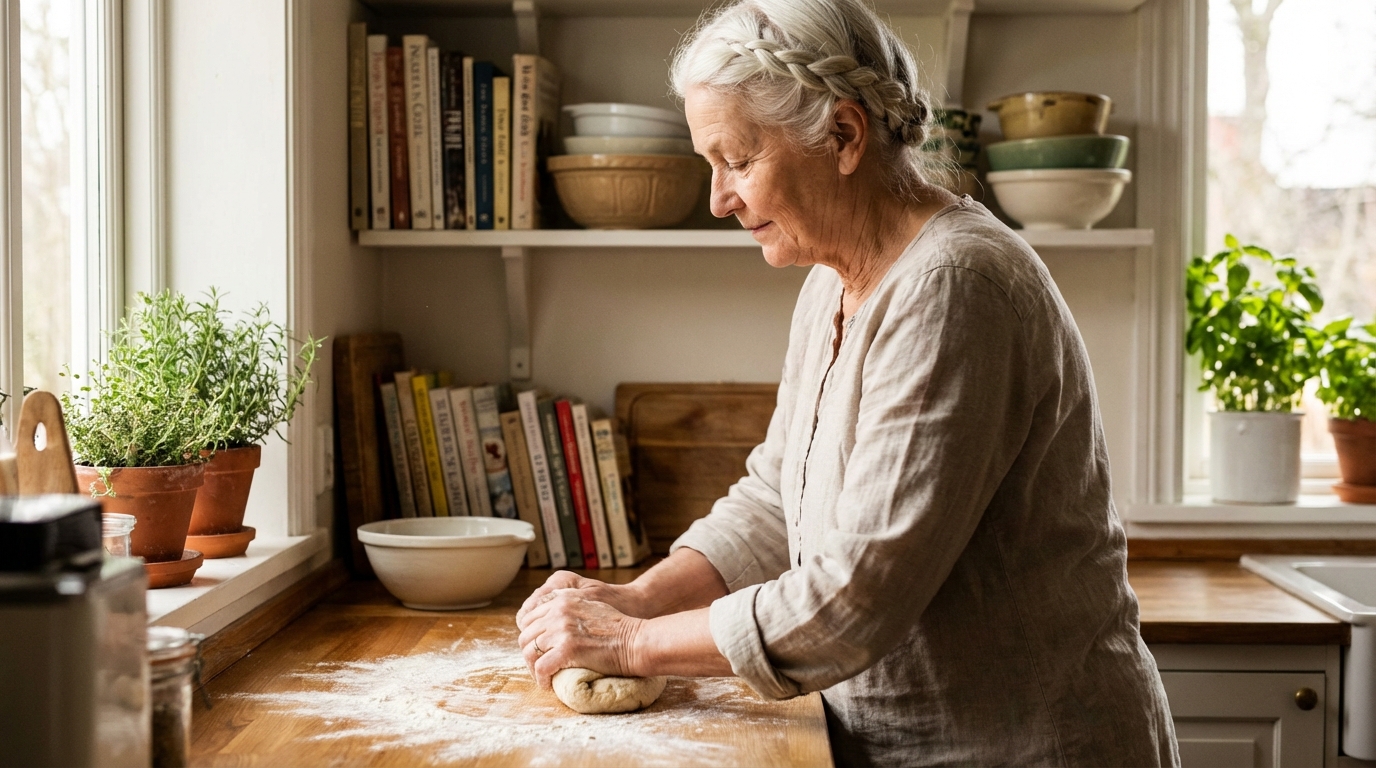
There is a quiet comfort in doing something the same way again and again, especially in the kitchen. Familiar cooking methods bring a sense of steadiness to daily meals. They reduce small decisions, calm the body, and allow attention to rest on what matters most: nourishing food, shared time, and a home that feels cared for. This ease does not come from shortcuts or rigid rules. It grows from repetition, understanding, and trust in simple processes that have proven themselves over time.
Familiarity Calms the Mind Before the Stove Is Even Warm
Stress in the kitchen often begins before any ingredient is touched. It starts with uncertainty. Not knowing how long something will take, how it should look, or what step comes next can quietly tighten the shoulders and speed the breath. Familiar cooking methods remove much of that tension.
When a method is known, the mind no longer races ahead. There is no need to scan instructions repeatedly or wonder if something has gone wrong. The hands know what to do. The eyes know what to look for. This sense of readiness lowers mental strain before the first pan is set on the heat.
Familiarity also limits decision fatigue. Cooking involves hundreds of small choices, from how high to turn the burner to when to add salt. When a method is well known, many of those choices have already been made through experience. The cook moves forward without stopping to reconsider each step.
Muscle Memory Does Much of the Work
Cooking methods repeated over years settle into the body. Stirring a pot, flipping food in a pan, or testing doneness becomes automatic. This muscle memory is not just about speed. It allows the body to take over while the mind relaxes.
When hands move without conscious effort, there is space to notice other things. A simmer can be adjusted by sound alone. A sauce can be thickened by feel, not measurement. This reduces the strain of constant checking and correcting.
Muscle memory also prevents small mistakes from becoming stressful. A cook who knows a method well can correct course without alarm. If heat is a little too high, it is lowered smoothly. If liquid reduces faster than expected, more is added without panic. The body remembers how to bring things back into balance.
Predictable Timing Brings a Sense of Control
Time pressure is one of the biggest sources of kitchen stress. Familiar methods bring predictable timing, which helps meals fit comfortably into the day.
When a cook knows that a certain dish takes about twenty minutes from start to finish, planning becomes easier. Other tasks can be done alongside it without worry. The table can be set at the right moment. Side dishes can be started with confidence.
This predictability also reduces overcooking and undercooking. Food is not rushed or forgotten. The cook senses when something is close to done and stays nearby at the right moment. This gentle awareness replaces clock-watching and last-minute scrambling.
Known Methods Simplify Cleanup
Stress does not end when the meal is served. The thought of cleaning up can linger in the background and affect how the cooking itself feels. Familiar methods often come with familiar cleanup routines.
When a cook knows which pots will be used and how messy a method tends to be, small steps can be taken along the way. A bowl is rinsed as soon as it is empty. A cutting board is wiped while food cooks. These habits develop naturally when methods are repeated.
Some cooking methods are calmer because they contain the mess. One-pan meals, gentle simmering, or slow oven cooking tend to splatter less and use fewer tools. Familiarity allows these choices to be made without much thought, keeping the kitchen orderly and the mind at ease.
Sensory Cues Replace Constant Checking
New or unfamiliar techniques often require constant attention. Timers are checked, instructions reread, and food is watched closely. Familiar methods rely more on the senses.
The sound of oil tells when it is ready for food. The smell of onions signals when they are softened but not browned. The color of a crust shows when it is time to turn. These cues reduce the need for strict timing and remove the anxiety of following steps exactly.
Sensory cooking feels calmer because it aligns with how the body naturally understands food. It turns cooking into a conversation rather than a test. When something smells right or looks right, there is reassurance that the process is on track.
Confidence Grows Through Repetition, Not Perfection
Familiar methods build confidence slowly and quietly. This confidence is not about flawless results. It comes from knowing that even if something is slightly off, the outcome will still be acceptable.
A well-known soup method, for example, can handle variations. Vegetables can be swapped. Broth can be stretched with water. Seasoning can be adjusted at the end. This flexibility reduces fear of mistakes.
Confidence also changes how mistakes are perceived. Instead of feeling like failures, they become information. A sauce that thickens too much teaches how heat and time interact. A roast that cooks faster than expected teaches the strength of the oven. Familiar methods turn these moments into learning without stress.
Routine Creates a Gentle Rhythm in the Day
Cooking is often woven into the fabric of daily life. Familiar methods fit into this rhythm smoothly. They align with work schedules, household chores, and moments of rest.
When certain days are associated with certain methods, the decision-making load lightens. A slow-cooked dish may belong to a day when time is limited. A quick pan meal may fit a busy evening. This rhythm brings predictability, which is calming.
Routine also allows the cook to prepare mentally. Ingredients can be taken out ahead of time. The kitchen can be arranged before cooking begins. These small acts of readiness make the process feel unhurried and grounded.
Familiar Methods Support Better Ingredient Care
Knowing how a cooking method behaves helps ingredients receive proper care. Heat, time, and moisture affect food differently depending on the technique.
A cook familiar with gentle simmering understands that delicate foods need patience. Boiling is avoided when it would toughen or break ingredients. Stirring is done carefully to preserve shape and texture.
This care reduces stress because it prevents problems before they start. Food cooks evenly. Flavors develop as expected. There is less need for last-minute fixes that can feel frantic.
Less Measuring, More Awareness
Unfamiliar recipes often demand strict measuring. While useful at times, this can increase tension. Familiar methods rely more on proportions and observation.
When a cook knows roughly how much liquid is needed to cover ingredients, exact measurements become less critical. Salt is added gradually, tasting along the way. Spices are adjusted by smell and color.
This approach feels calmer because it allows for adjustment. If something seems too thin, it can reduce longer. If too thick, liquid can be added. Familiarity provides the confidence to respond rather than worry.
Heat Control Becomes Intuitive
Managing heat is one of the most stressful parts of cooking for many people. Familiar methods make heat control second nature.
A cook who has pan-cooked the same foods many times knows how the stove behaves. Certain burners run hotter. Some pans hold heat longer. These details are remembered without effort.
Intuitive heat control prevents common problems like burning or sticking. It also removes the need to hover anxiously over the stove. The cook knows when to step away briefly and when attention is needed.
Fewer Surprises Lead to Calmer Cooking
Surprises in the kitchen often create stress. Food that behaves unexpectedly can cause doubt and frustration. Familiar methods reduce surprises because outcomes are well understood.
When a cook knows how a dish usually looks and tastes, small differences are easier to accept. A sauce slightly thinner than usual is recognized as still fine. A crust a shade darker is seen as flavor, not failure.
This acceptance keeps stress low. The cook remains steady instead of reacting strongly to every change.
Teaching and Sharing Become Easier
Familiar cooking methods are easier to explain and share. When a method is well understood, it can be passed along calmly and clearly.
Instructions based on experience tend to be simpler. Instead of long lists of steps, guidance focuses on key moments: when to add ingredients, how it should look, what to listen for.
This ease benefits both the teacher and the learner. Cooking together feels relaxed, not pressured. The method becomes part of shared routine rather than a one-time lesson.
When Familiar Methods Work Best
Familiar cooking methods are especially helpful during busy or emotionally full times. On days when energy is low or schedules are tight, they provide stability.
They also work well for everyday meals where nourishment and comfort matter more than novelty. Simple foods cooked with care often satisfy more deeply than complicated dishes made under stress.
Familiar methods shine when ingredients are modest. They know how to bring out flavor without relying on elaborate techniques or rare items.
When Trying Something New Can Add Stress
New cooking techniques have their place, but they often demand more attention and patience. On a rushed evening, this can increase stress rather than enjoyment.
Unfamiliar methods require close monitoring. Timing may be uncertain. Results may vary. These factors can make the cook feel on edge, especially if the meal needs to be ready at a specific time.
Understanding this helps cooks choose wisely. Saving new techniques for unhurried days keeps everyday cooking calm and reliable.
Building a Small Collection of Trusted Methods
A calm kitchen does not need endless variety. A small collection of trusted cooking methods can support countless meals.
These methods might include gentle sautéing, steady simmering, simple roasting, or careful baking. Each method becomes a tool that can be applied to many ingredients.
Over time, these methods form a foundation. New dishes can be built from them without stress because the underlying process is already known.
Organizing the Kitchen Around Routine
Familiar cooking methods are supported by a kitchen arranged for routine. Tools and ingredients used often are kept within easy reach.
Pans used for daily cooking are stored where they can be grabbed without thought. Common spices are placed near the stove. This reduces small frustrations that can add up to stress.
When the kitchen supports familiar habits, cooking feels smoother and more natural.
Seasoning Becomes a Quiet Skill
Seasoning is often a source of uncertainty. Familiar methods help seasoning become instinctive.
A cook who knows a dish well understands when to season early and when to adjust at the end. Salt is added in layers, allowing flavors to develop gradually.
This approach reduces the fear of over-seasoning. Corrections are easier because the cook understands how flavors change over time.
Familiar Methods Encourage Patience
Many traditional cooking methods reward patience. Slow heating, gentle stirring, and allowing food to rest all contribute to better results.
Familiarity teaches when patience matters and when speed is acceptable. This knowledge prevents unnecessary rushing, which often leads to mistakes.
Patience in cooking often carries into other parts of the day, creating a calmer overall rhythm.
Comfort Grows from Trust in Simple Processes
At its core, the comfort of familiar cooking methods comes from trust. Trust that the process will work. Trust that the food will nourish. Trust that small adjustments can handle unexpected changes.
This trust reduces stress because it removes the need for constant vigilance. Cooking becomes a steady activity rather than a challenge to overcome.
In a home where cooking follows familiar paths, meals are not a source of tension. They are part of the natural flow of daily life, offering warmth, care, and a sense of continuity.