
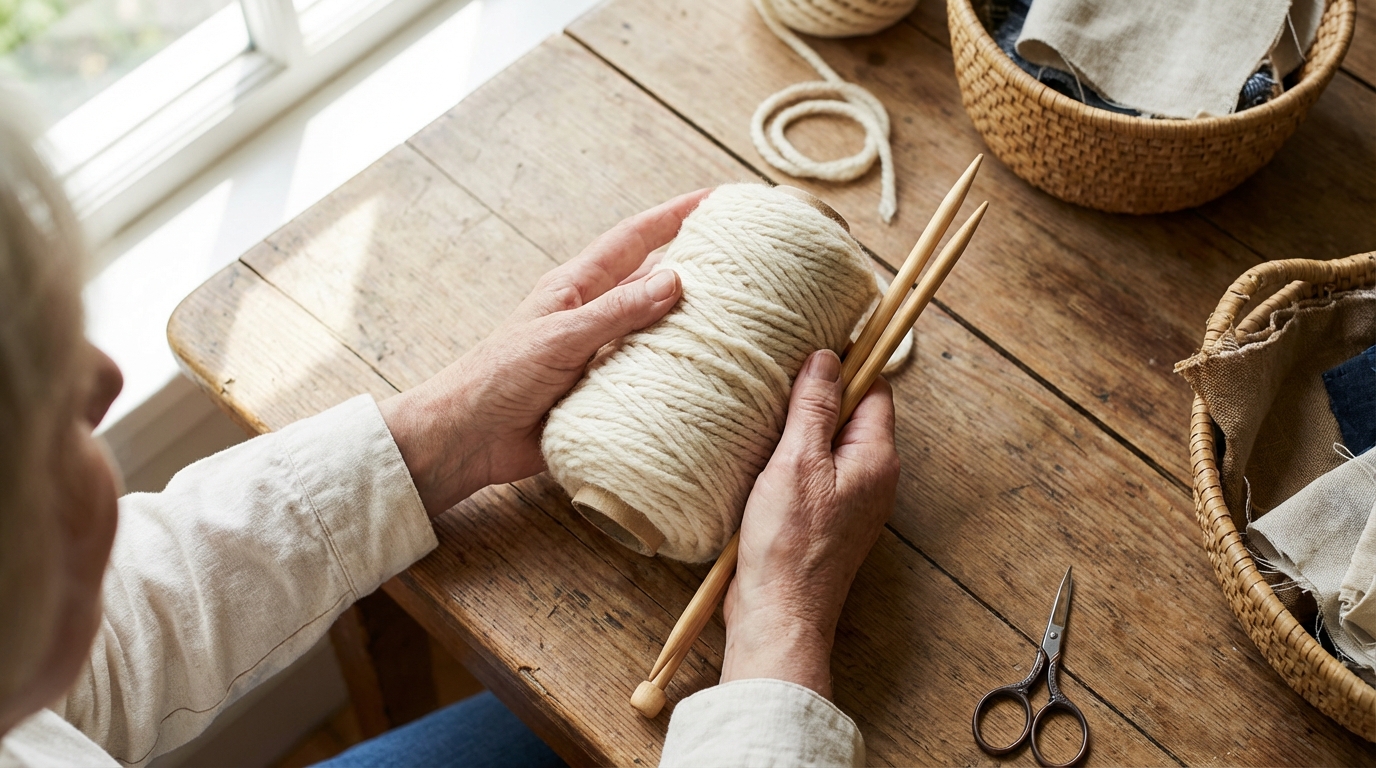
There is a quiet comfort found in the feel of well-known craft materials. The weight of familiar scissors, the soft drag of yarn through fingers, the gentle resistance of paper under a pencil. These are small, ordinary things, yet they carry a steadying influence. In many homes, handcraft is part of the daily rhythm, woven between meals, chores, and rest. When children return to the same tools again and again, something deeper than skill is being built. A sense of calm grows alongside capability.
Familiar materials offer more than entertainment. They create a stable environment where hands know what to expect and the mind can settle. This comfort does not come from novelty or excitement. It comes from repetition, predictability, and care. Understanding why this works helps caregivers choose materials thoughtfully and create spaces where children feel both safe and capable.
The quiet power of predictability
Predictability is often underestimated. In a home filled with changing sounds, tasks, and demands, predictable objects give the body a chance to rest. When a child reaches for a familiar spool of thread or a well-used set of colored pencils, there are no surprises. The texture, weight, and response are already known.
This predictability reduces the need for constant decision-making. The hands already know how much pressure to use. The eyes know what the marks will look like. Because the material behaves as expected, attention can move from managing the tool to focusing on the act of making. This shift supports calm concentration.
New materials, while exciting, ask more of the nervous system. They require testing, adjustment, and sometimes caution. Familiar materials allow a child to settle quickly into the work itself. Over time, this builds a sense of trust in the environment.
Why the body responds before the mind
The body remembers repeated actions. Threading a needle, folding paper, rolling clay. These movements become stored as muscle memory. When familiar materials are used, the body can move without strain. This ease is soothing.
When the body feels competent, the mind follows. There is less frustration and fewer interruptions. This is especially important during moments of emotional overload. Familiar tools can act as anchors, bringing attention back to the present task.
Capability grows through repeated use
Capability is not built through constant challenge alone. It grows through mastery of the ordinary. When children are given the same materials over time, they learn their limits and possibilities. They discover how paper tears, how glue sets, how yarn tangles if pulled too fast.
These lessons are learned through experience, not instruction. Familiar materials allow mistakes to feel manageable. A torn page can be taped. A dropped stitch can be picked up. Because the tools are known, the focus shifts from fear of failure to problem-solving.
Small successes matter
Each small success reinforces a sense of competence. Cutting along a line cleanly. Tying a knot that holds. Shaping clay that does not collapse. These moments may seem minor, but they accumulate.
When children feel capable with their hands, they approach other tasks with more confidence. The lesson carries beyond the craft table. It becomes part of how they see themselves in daily life.
Familiar materials support emotional regulation
Handwork often slows breathing and steadies the body. Familiar materials enhance this effect. The known rhythm of stitching or coloring creates a gentle focus. This can help settle restless energy or ease anxious feelings.
Because the materials are predictable, there is less chance of sudden frustration. Unexpected outcomes can trigger strong reactions, especially in younger children. Familiar tools reduce these surprises.
The role of texture and weight
Texture plays a quiet but important role. Soft yarn, smooth wood, cool metal. Each texture sends signals to the nervous system. Familiar textures are especially calming because the body knows how they feel.
Weight also matters. A solid pair of scissors or a wooden needle holder provides a sense of stability. Lightweight plastic tools can feel flimsy and unpredictable. Over time, children learn to prefer tools that feel steady in the hand.
Routine creates a sense of belonging
When craft materials are part of a regular routine, they become woven into the fabric of home life. The same basket brought out after lunch. The same table cleared for drawing in the late afternoon. These routines signal that this time and space are safe.
Familiar materials strengthen this sense of belonging. They are not special items brought out only on occasion. They are trusted tools, available and cared for.
Consistency in setup
How materials are presented matters. Keeping tools in the same place helps children know what to expect. A pair of scissors returned to the same drawer. Paper stacked neatly on a shelf.
This consistency reduces anxiety and encourages independence. Children do not need to ask where things are. They can begin and end their work with confidence.
The importance of caring for materials
Familiarity grows when materials are well cared for. Clean brushes, sharp pencils, untangled yarn. These details show respect for the tools and for the work done with them.
When materials are cared for, they last longer and perform better. This reliability builds trust. Children learn that taking time to clean and store tools properly makes future work easier.
Care as part of the process
Cleaning up is not separate from the craft itself. Wiping glue from a table, washing paintbrushes, folding fabric. These actions complete the cycle of making.
When care is treated as a natural part of the routine, it does not feel like a burden. It becomes another familiar action, reinforcing order and calm.
Choosing materials that invite return
Not all craft materials age well with use. Some break easily or lose their function. Choosing materials that improve with time supports familiarity.
Natural fibers soften. Wooden tools develop a smooth patina. Metal needles become easier to thread as hands learn their balance. These changes reward repeated use.
When novelty works against comfort
Too many options can overwhelm. A crowded craft space filled with unused tools creates uncertainty. Children may spend more time choosing than making.
Limiting materials to a thoughtful selection encourages deeper engagement. Familiar tools invite return visits. New materials can be introduced slowly, one at a time, alongside trusted favorites.
Introducing new materials without disrupting calm
New materials are important for growth, but timing matters. Introducing something new during a calm moment allows curiosity to lead, rather than pressure.
Pairing a new material with familiar ones helps bridge the gap. A new type of paper used with known pencils. A different yarn added to a familiar needle.
Allowing exploration without expectation
When new materials are offered without a required outcome, children can explore at their own pace. There is no need to produce something finished.
This approach prevents frustration and keeps the focus on discovery. Over time, the new material becomes familiar and joins the regular rotation.
The role of mistakes in building trust
Familiar materials make mistakes less intimidating. When a child knows how a tool behaves, unexpected results feel manageable.
Learning how to fix small errors builds resilience. Taping a tear, untying a knot, smoothing over a dent in clay. These acts teach patience.
When frustration appears
Even with familiar materials, frustration can arise. Fatigue, hunger, or emotional strain can affect any activity. Recognizing when to pause is part of the routine.
Sometimes setting the work aside and returning later restores calm. Familiar materials will be there, unchanged, ready to be picked up again.
Shared spaces and quiet cooperation
Craft often happens in shared spaces. The kitchen table, a corner of the living room. Familiar materials help maintain harmony in these areas.
When everyone knows how tools are used and stored, there is less conflict. The space can return to its other purposes without stress.
Respecting the work of others
Familiar routines teach respect. Waiting for a turn with a tool. Returning items to their place. These small acts support cooperation.
Children learn that shared materials belong to the household, not just to one person. This understanding encourages care and consideration.
Seasonal rhythms and material choice
Materials can reflect the seasons, adding to their familiarity. Heavier yarns in cooler months. Light paper and bright colors when days are longer.
Rotating materials gently with the seasons keeps interest without overwhelming. The core tools remain the same, providing continuity.
Storing materials with intention
Proper storage protects materials and makes them easy to access. Clear containers show what is inside. Labeled drawers prevent confusion.
When materials are stored thoughtfully, children can find what they need and return it without help. This independence supports confidence.
The long view of handcraft at home
Over time, familiar materials become part of the household story. Scissors that have cut countless shapes. Pencils worn down from steady use. These objects carry memories of quiet afternoons and focused hands.
More importantly, they support a way of being. A slower pace. Attention to detail. Respect for simple tools and the work they make possible.
By choosing and caring for familiar craft materials, a home offers children more than activities. It offers steadiness. A place where hands know what to do, and the heart can rest.