
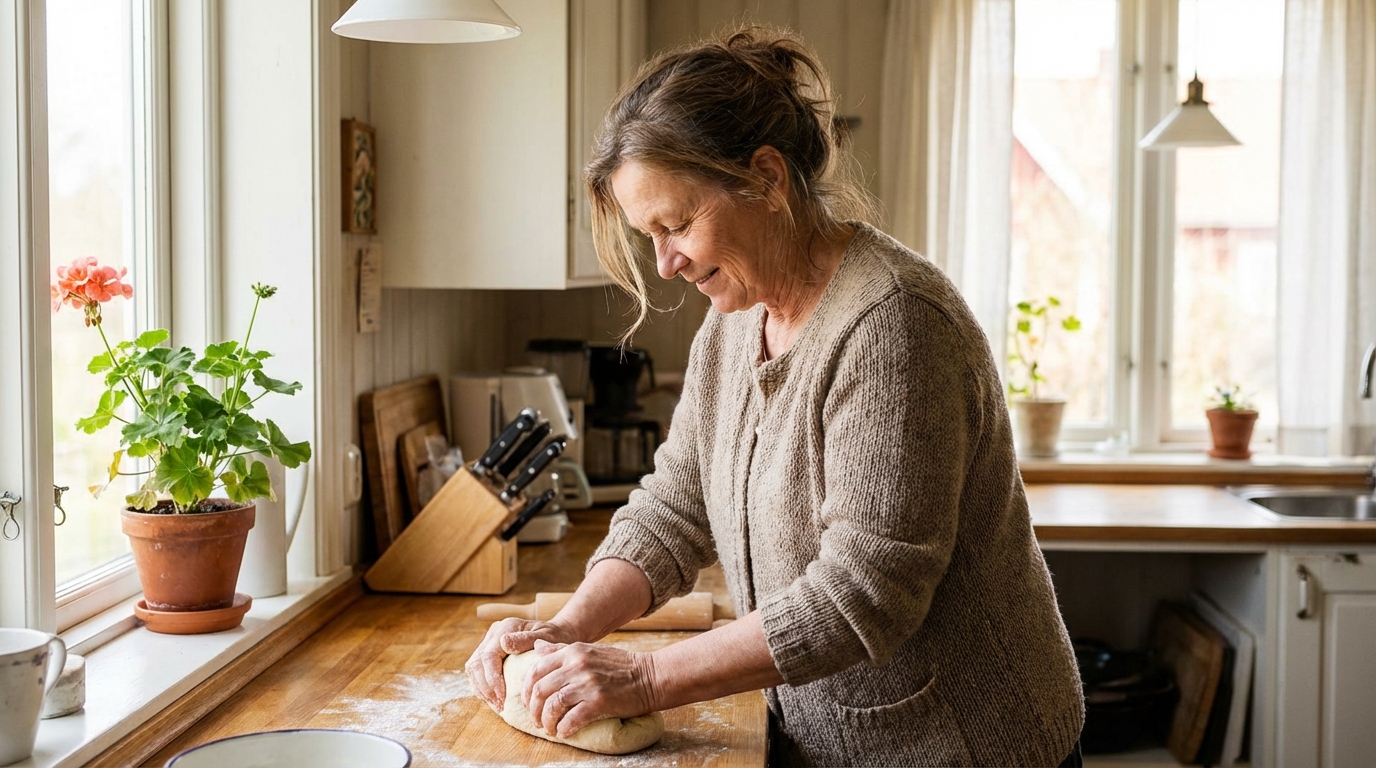
A home settles into itself when the people inside it are known. Not famous or remarkable, just known in the everyday sense: voices recognized before words are clear, footsteps understood without looking up, habits that repeat often enough to become part of the walls. This quiet recognition creates emotional ease. It is not dramatic or loud. It is the kind of comfort that lowers shoulders, steadies breathing, and allows attention to rest.
Familiar faces shape daily life in small, steady ways. They form a background of trust that does not need constant explanation. When people show up regularly and behave in ways that are predictable and kind, the home becomes a place where effort softens. This ease does not appear overnight. It grows through routines, shared time, and simple care repeated day after day.
How Recognition Calms the Mind at Home
Recognition is more than knowing a name. It is the ability to anticipate tone, mood, and response. When a face is familiar, the mind spends less energy scanning for signals. There is less need to interpret or guard. This is why walking into a room with known people often brings a sense of relief, even if nothing pleasant is actively happening.
The mind is always working to keep the body safe. In unfamiliar settings, it stays alert. It notices posture, watches expressions, and prepares for surprises. At home, familiar faces allow this alertness to soften. The mind recognizes patterns it has seen many times before and decides that close watch is not required.
This calm has practical effects. Conversations flow more easily. Silence feels less awkward. Mistakes are handled with patience rather than embarrassment. These small shifts accumulate, creating a steady emotional environment that supports daily life.
Why Predictability Matters More Than Cheerfulness
Emotional ease does not depend on constant positivity. It depends on consistency. A familiar face that is sometimes quiet, sometimes busy, and sometimes tired can still be deeply comforting if those states are expected and understood.
Predictability allows people to adjust their behavior without strain. When a person usually needs quiet in the morning, others learn to speak softly then. When someone tends to talk through thoughts while cooking, interruptions become unnecessary. These adjustments happen naturally over time, without formal discussion.
In contrast, unpredictable behavior requires attention. The mind must stay alert to shifts, which can be tiring. Familiar faces that act in steady ways reduce this burden, making the home feel easier to inhabit.
The Role of Daily Routines in Building Trust
Familiarity grows strongest through routine. It is built not through special events, but through ordinary moments repeated often. Morning greetings, shared meals, evening habits, and small check-ins form a rhythm that shapes the day.
Routines create shared expectations. When people know roughly what will happen and when, they relax into the day. This does not mean strict schedules. It means patterns that are loose enough to breathe but steady enough to rely on.
For example, a regular evening meal does more than provide food. It marks a pause. It signals that the day’s separate activities are coming together. Over time, this repetition becomes a signal of safety and belonging, even on days when conversation is minimal.
Small Signals That Repeat
Many routines are so small they are hardly noticed, yet they carry weight. A familiar face turning on a light at dusk, setting out shoes by the door, or rinsing a cup before bed sends quiet signals that life is moving along as expected.
These actions become reassuring because they confirm continuity. When the same person performs them in the same way, the home feels anchored. If a routine is missed, it is noticed not as a failure, but as a change that prompts gentle concern.
This is why maintaining simple routines during busy or difficult times matters. They provide stability when other parts of life feel uncertain.
Emotional Ease Grows Through Shared History
Familiar faces carry shared memory. Not in the sense of retelling stories, but in the unspoken understanding that comes from having lived through ordinary days together. This shared history smooths interactions.
When people have faced small challenges side by side, such as a leaky sink or a long week of errands, they develop a sense of capability together. This shared experience builds trust. It shows that problems can be handled without panic.
In daily life, this means fewer explanations are needed. A look or a pause can communicate what words would otherwise have to spell out. This saves energy and reduces friction.
Why Familiarity Allows Room for Silence
Silence often feels uncomfortable among strangers. It can be misread as disinterest or tension. Among familiar faces, silence is different. It is a shared rest.
This kind of silence comes from trust. There is confidence that connection does not depend on constant talk. In a home, this allows people to read, cook, or simply sit without feeling pressure to perform.
Over time, these quiet moments become some of the most restorative parts of the day. They remind everyone that presence alone has value.
Everyday Care as the Foundation of Comfort
Emotional ease is supported by practical care. Familiar faces tend to notice small needs: an empty glass, a drafty window, a tired posture. Addressing these needs quietly reinforces a sense of being held by the home.
This care does not require grand gestures. It shows up in ordinary actions done without being asked. Bringing a sweater when the room cools. Setting aside a favorite mug. Leaving a light on in the hallway at night.
These actions matter because they demonstrate attention. They show that one person’s comfort has been considered by another. Over time, this creates a cycle of care that strengthens the household.
Why Practical Help Builds Emotional Safety
Practical help reduces strain. When tasks are shared and needs are anticipated, daily life feels manageable. This reduces irritability and fatigue, which in turn makes emotional connection easier.
For example, a familiar face who consistently takes care of morning chores allows others to start the day without rush. This small relief can set the tone for hours to come.
Emotional safety grows when people trust that help will be there in ordinary moments, not just during crises.
The Importance of Being Seen Without Explanation
One of the quiet gifts of familiar faces is being understood without needing to explain every feeling. Over time, people learn each other’s signs of stress, contentment, or fatigue.
This understanding allows responses to be gentle and appropriate. A short answer is not taken personally. A need for space is respected. A burst of energy is welcomed rather than questioned.
Being seen in this way reduces the effort of daily interaction. It allows people to be as they are, which is deeply restful.
How This Understanding Develops
This level of understanding comes from observation, not assumption. It requires attention over time. Familiar faces watch how moods shift during the day, how bodies respond to noise or quiet, how energy rises and falls.
Importantly, this understanding remains flexible. It adjusts as people change. Familiarity does not mean fixed expectations. It means a willingness to notice and adapt.
Homes where this happens tend to feel forgiving. Mistakes are met with patience because the larger pattern of care is already established.
Consistency Over Intensity
Emotional ease is built through consistency rather than intensity. Occasional bursts of attention cannot replace steady presence. Familiar faces offer reliability, which the mind values more than excitement.
This is why simple, repeated actions carry so much weight. A regular greeting, a dependable response, a habit of checking in at the same time each day. These create a baseline of trust.
When consistency is present, difficult days feel less overwhelming. There is confidence that tomorrow will bring the same steady support.
When Consistency Is Disrupted
Life naturally disrupts routines. Travel, illness, or changing schedules can alter daily patterns. Emotional ease is not lost when this happens, as long as the underlying presence remains.
Familiar faces can maintain connection through small adjustments. A note left on the table. A brief message at a usual time. A return to routine as soon as possible.
These gestures signal continuity, reminding everyone that the foundation is still intact.
The Physical Space Reflects Familiar Presence
Homes shaped by familiar faces often show signs of regular use. Objects are placed where hands expect them. Furniture is arranged for comfort rather than appearance. Lighting is adjusted to suit daily rhythms.
This physical familiarity supports emotional ease. When the body knows where to reach and where to rest, it relaxes. The space feels welcoming because it has been shaped by known habits.
Changes to the space are made thoughtfully, with awareness of how they affect daily life. This care keeps the home feeling stable even as it evolves.
Why Familiar Arrangement Matters
A familiar arrangement reduces decision fatigue. When items are kept in consistent places, tasks require less thought. This frees mental energy for conversation, rest, or creativity.
For example, a kitchen where tools are always returned to the same drawer allows cooking to feel smooth and unhurried. A familiar face maintaining this order reinforces a sense of cooperation.
These small efficiencies contribute to a calm atmosphere that supports emotional ease.
Learning Each Other’s Rhythms
Every person has natural rhythms of energy and focus. Familiar faces learn these rhythms through daily interaction. Over time, they adjust shared activities to fit them.
This might mean scheduling quiet tasks during low-energy periods or planning conversations when attention is strongest. These adjustments show respect and care.
When rhythms are honored, friction decreases. People feel understood rather than pushed, which strengthens trust.
Respecting Differences Without Comment
Emotional ease grows when differences are accepted without constant discussion. A familiar face does not need to point out habits that have already been understood.
This quiet acceptance prevents defensiveness. It allows people to move through the day without feeling monitored.
Over time, this creates an atmosphere where individuality is supported within shared life.
The Quiet Strength of Showing Up
Perhaps the most important aspect of familiar faces is their steady presence. Showing up day after day, even in ordinary ways, builds a sense of reliability that cannot be rushed.
This presence does not require constant interaction. Simply being there, moving through shared space, contributes to emotional ease. It signals that support is nearby if needed.
In a home, this kind of presence becomes a backdrop for all other activities. It allows life to unfold with less strain.
Presence During Ordinary Moments
Ordinary moments are where familiarity deepens. Folding laundry at the same time each week. Sharing a brief exchange while passing in the hallway. Sitting nearby while separate tasks are done.
These moments may seem insignificant, but they accumulate. They form a steady record of togetherness that the mind and body recognize as safe.
Over time, this steady presence becomes one of the most comforting aspects of home life.
Why Emotional Ease Is a Daily Practice
Emotional ease is not a fixed state. It is maintained through daily practice. Familiar faces contribute by continuing routines, noticing changes, and responding with care.
This practice is quiet. It does not seek attention. It is built into the way doors are closed softly, voices are lowered when someone rests, and time is made for shared pauses.
By tending to these details, familiar faces help the home remain a place of calm, even as life outside shifts.
The Lasting Impact of Small Choices
Small choices made consistently shape the emotional tone of a home. Choosing patience over reaction. Choosing presence over distraction. Choosing to maintain routines even when busy.
These choices reinforce trust. They show that the home is a place where care is ongoing, not occasional.
In this way, familiar faces create emotional ease not through grand efforts, but through steady, thoughtful living.