
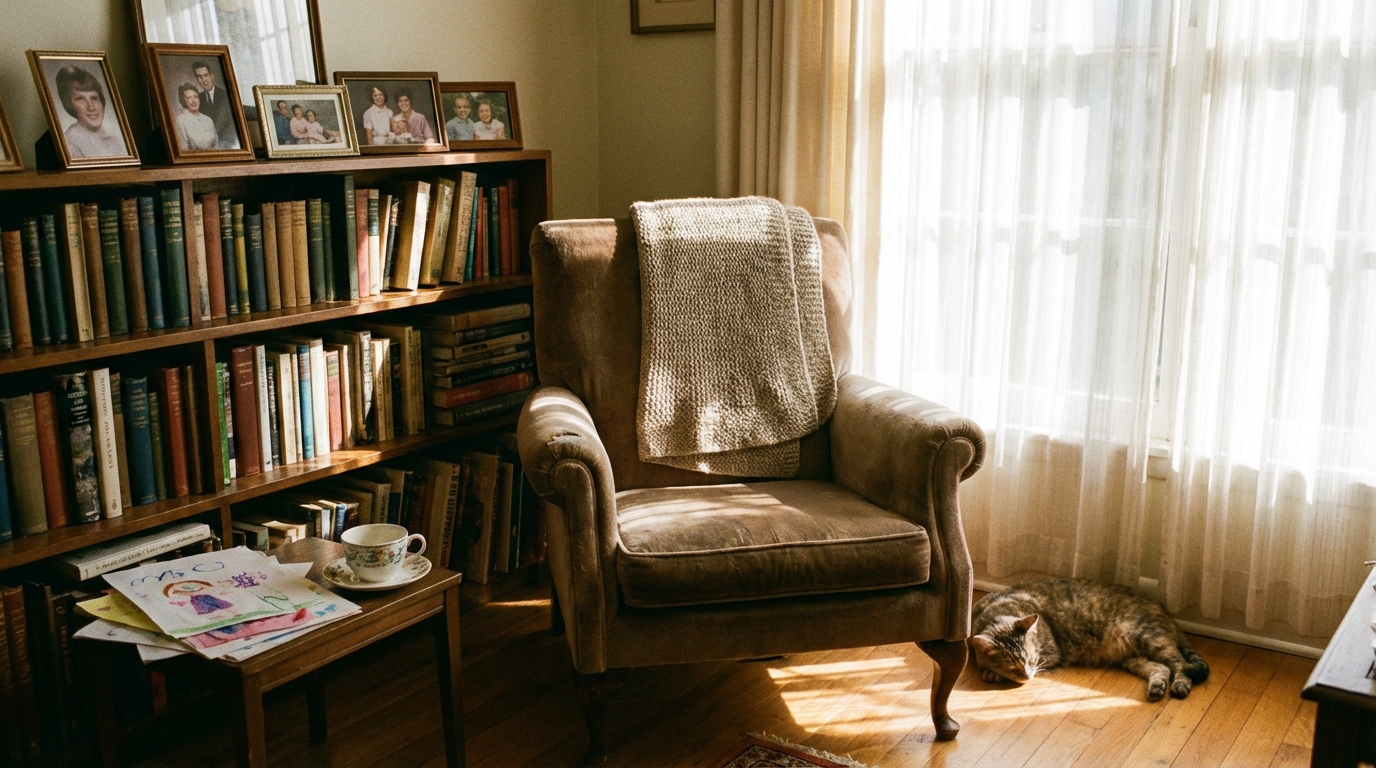
Some homes carry a quiet sense of ease. The door opens, and the body relaxes without effort. The air smells familiar. The rooms make sense. Nothing needs to be explained. For younger family members, these homes often feel especially meaningful, even if they cannot fully say why. The comfort does not come from decoration or size. It comes from repeated experiences, patient care, and small routines that have stayed steady over time.
Familiar homes tend to offer something deeper than novelty. They provide a feeling of being known. Every sound, object, and habit holds a history of daily life lived with attention. These spaces teach without instruction and reassure without words. Understanding why this happens helps families protect what matters most in a home and pass along something steady and lasting.
The Power of Repetition in Daily Life
Repetition is often mistaken for boredom, but in the home it plays a different role. When younger family members return to the same space again and again, they learn what to expect. The light comes through the same window in the morning. The floor creaks in the same place. The same cup is used for warm drinks. These details may seem small, but together they build trust.
Predictability allows the mind to rest. When the surroundings are known, attention can turn outward rather than staying alert for surprises. This is especially important in shared family spaces, where emotional safety matters as much as physical comfort. Repetition tells the nervous system that the environment is stable.
This is why frequent rearranging or constant updates can sometimes disrupt a sense of ease. Change has its place, but too much of it can make a home feel unfamiliar. In contrast, familiar homes allow routines to settle naturally, making everyday moments feel grounded.
Why Small Patterns Matter
Large events are often remembered, but small patterns shape how a place feels. The way shoes are lined up by the door. The habit of opening a window at a certain time of day. The quiet pause before meals. These patterns do not require explanation. They are learned simply by being present.
Over time, these repeated actions become signals of care. They show that someone is paying attention to the home and the people in it. For younger family members, this creates a sense of belonging that feels natural rather than forced.
Familiar Objects Carry Stories Without Words
Objects in a long-lived home tend to stay in place for a reason. A table remains because it fits the room well. A chair stays because it is comfortable. A bowl is used often because it works. These choices are practical, but they also carry meaning.
When the same objects are used year after year, they become part of the home’s rhythm. A scratch on the surface tells a story of use. A worn handle shows where hands have passed many times. These marks are not flaws. They are signs that the home is lived in.
Younger family members often notice these details even if they cannot explain them. Familiar objects feel reliable. They work the way they always have. There is comfort in knowing how something will behave before touching it.
The Difference Between Useful and Decorative
Homes that feel comforting tend to favor useful items over purely decorative ones. This does not mean the space lacks beauty. Instead, beauty comes from function and care. A teapot that pours well becomes beautiful through use. A blanket that keeps warmth in the right way becomes a source of comfort.
When objects serve a clear purpose, they invite participation. Younger family members learn how to use them by watching and trying. This builds confidence and a sense of capability. Decorative items that cannot be touched or used may look nice, but they do not offer the same sense of belonging.
The Role of Scent, Sound, and Light
Homes are experienced through all the senses, not just sight. Familiar scents, sounds, and light patterns play a powerful role in creating comfort. These elements often work quietly in the background, shaping how a space feels without drawing attention to themselves.
A certain smell from cooking, cleaning, or fresh air can instantly signal that one is home. This happens because scent is closely linked to memory. When the same smells appear again and again, they become markers of safety and care.
Sounds also matter. The hum of an appliance, the way doors close, the rhythm of footsteps. In familiar homes, these sounds are predictable. Silence is not empty, and noise is not overwhelming. There is a balance that comes from long familiarity.
Light as a Daily Guide
Natural light plays an important role in how a home feels throughout the day. Homes that allow light to enter in consistent ways help set a natural rhythm. Morning light feels different from afternoon light, and the home adjusts accordingly.
Familiar homes often work with this light rather than against it. Curtains are opened and closed at certain times. Lamps are used where needed. Over time, younger family members learn these patterns and feel oriented within the day.
This consistency supports a sense of calm. The home feels in tune with the outside world rather than cut off from it.
Routines Create Invisible Structure
Routines are not about strict schedules. In a comforting home, routines are flexible but steady. They provide a loose structure that supports daily life without feeling rigid.
These routines might include how meals are prepared, how evenings wind down, or how weekends are handled. The exact details matter less than the consistency. When routines stay mostly the same, they create a reliable framework.
Younger family members benefit from this invisible structure. It helps them understand what comes next and how to participate. Over time, routines become shared knowledge, passed along without formal teaching.
Why Flexibility Matters
While consistency is important, routines work best when they can bend. A comforting home allows for adjustment when needed. A meal can be simpler. A task can wait. Rest can take priority.
This balance between routine and flexibility teaches an important lesson. Life has patterns, but those patterns can adapt. Younger family members learn that care includes knowing when to hold steady and when to let go.
The Importance of Being Useful Together
Homes that feel special often invite younger family members to be useful in small ways. This does not mean assigning heavy responsibilities. It means allowing participation in everyday tasks.
Setting the table, watering plants, folding laundry, or helping with simple repairs all offer opportunities to contribute. These tasks show that everyone has a role, no matter how small.
Being useful builds confidence and connection. It turns the home into a shared project rather than a service provided by a few. Younger family members feel valued because their efforts matter.
Teaching Through Doing
In familiar homes, skills are often passed along through quiet demonstration rather than instruction. Someone watches how a task is done and tries it themselves. Mistakes are corrected gently, often without words.
This approach works because it respects the learner’s ability to observe and adapt. It avoids pressure and allows skills to develop naturally. Over time, these shared tasks become part of the home’s identity.
Why Patience Shapes the Atmosphere
Patience is one of the most important qualities in a comforting home. It shows up in how messes are handled, how questions are answered, and how mistakes are treated.
When patience is present, the home feels forgiving. Spills are cleaned without anger. Forgotten tasks are reminders, not accusations. This creates a space where younger family members feel safe to try and learn.
Patience does not mean lack of boundaries. It means that boundaries are enforced with care and understanding. This balance builds respect and trust.
The Long View of Home Life
Homes that feel familiar often take a long view of daily life. Not everything needs to be perfect right away. Projects unfold over time. Skills improve gradually.
This perspective reduces stress and allows the home to breathe. Younger family members learn that progress is steady and that effort matters more than speed.
The Quiet Comfort of Being Remembered
One of the most powerful aspects of a familiar home is the feeling of being remembered. This can show up in small ways: a favorite cup kept on a certain shelf, a blanket folded just so, a snack always available.
These gestures show attention. They say that someone has noticed preferences and taken the time to honor them. This creates a deep sense of belonging.
Being remembered does not require grand gestures. It comes from observation and care repeated over time. Younger family members feel seen, which strengthens their connection to the home.
Consistency Builds Trust
When care is consistent, trust grows naturally. Promises are kept. Routines are reliable. The home becomes a place where expectations are met more often than not.
This trust allows younger family members to relax into the space. They know what is available and what is expected. This clarity supports emotional well-being.
How Familiar Homes Teach Without Lectures
Many lessons are learned simply by being in a well-cared-for home. Cleanliness shows respect for shared space. Maintenance shows responsibility. Order shows consideration.
These lessons are absorbed through observation rather than explanation. Younger family members see how things are done and understand that this is how the home is cared for.
This kind of learning feels natural and non-judgmental. It allows values to be passed along quietly and effectively.
The Role of Example
Example is more powerful than instruction. When a home is treated with care, that care is noticed. When problems are addressed calmly, that approach is learned.
Younger family members tend to mirror what they see. A home that models patience, attention, and practicality encourages those qualities to grow.
Why Time Spent Matters More Than Activities
It is easy to assume that special experiences require planned activities. In reality, familiar homes show that time spent together in ordinary ways is often more meaningful.
Sitting at the table, working quietly in the same room, or sharing a simple task can create strong memories. These moments feel unforced and genuine.
Younger family members often remember how a space felt rather than what was done. Familiar homes excel at creating a steady, welcoming atmosphere where time feels well spent.
The Value of Unstructured Moments
Unstructured time allows relationships to develop naturally. Conversations arise without pressure. Silence is comfortable. Attention shifts easily.
In familiar homes, there is room for these moments. They are not rushed or filled unnecessarily. This openness supports connection and reflection.
The Lasting Impact of a Well-Kept Home
A home that is cared for over time leaves a lasting impression. It teaches that stability is built through daily effort, not dramatic change.
Younger family members carry this understanding with them. They learn that comfort comes from attention, patience, and consistency. These lessons influence how they approach their own living spaces later on.
The impact of a familiar home is subtle but deep. It shapes expectations of what home can be: a place of ease, usefulness, and quiet support.
Passing Along a Sense of Home
The qualities that make a home feel special are not tied to a specific building. They can be recreated wherever care and attention are given.
By focusing on routines, usefulness, patience, and consistency, families can pass along a sense of home that endures. Younger family members learn not just where they belong, but how to create belonging for others.