
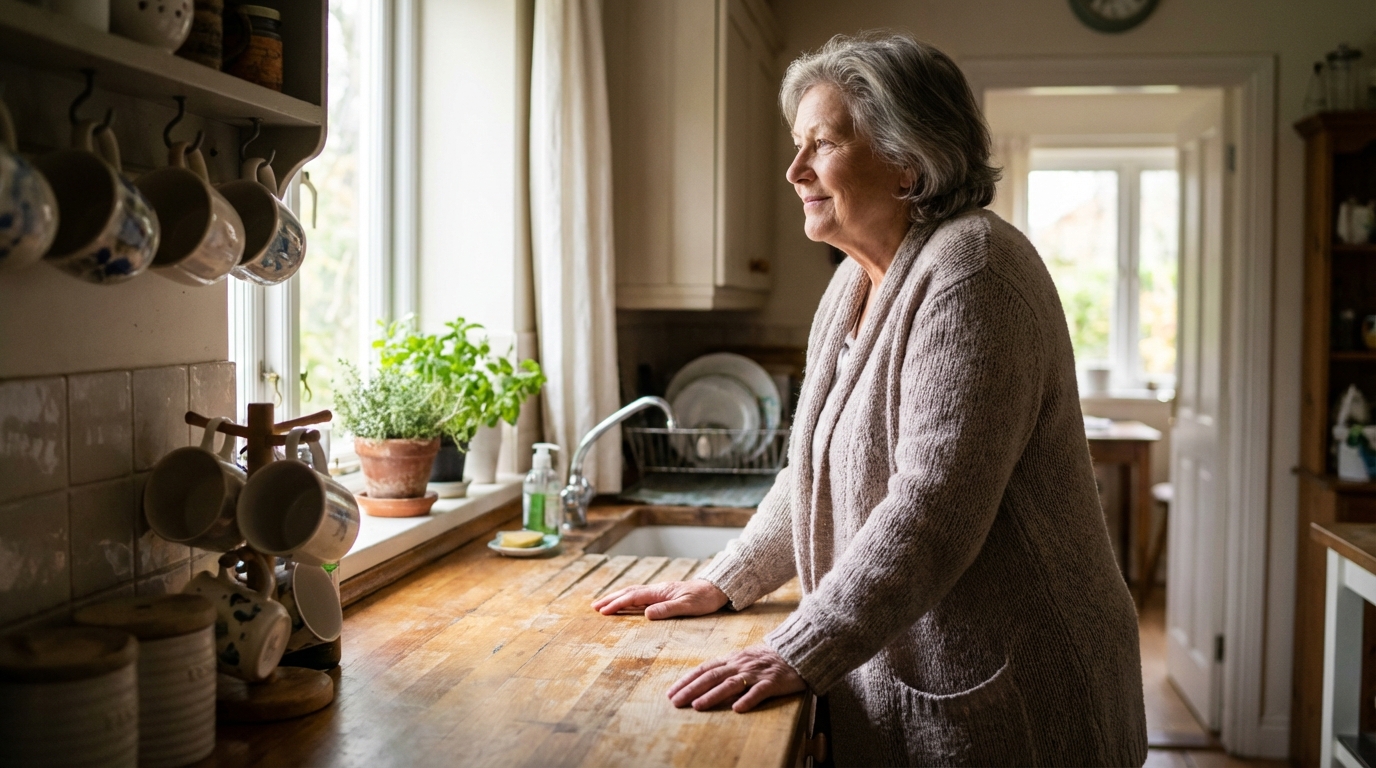
Some places carry a quiet weight that is felt rather than explained. A kitchen where hands know the drawer before the mind does. A hallway that guides tired steps without thought. A chair that seems to hold the shape of rest. These places matter not because of how they look, but because of how they have been used, cared for, and returned to again and again.
Familiar places become meaningful through time, repetition, and attention. The meaning does not arrive all at once. It builds slowly, in small moments that are easy to overlook. Understanding how this happens can help preserve what already feels steady at home and guide thoughtful care when places begin to change.
How Repetition Turns Space Into Something Known
A place becomes familiar when the body learns it before the mind does. This happens through repeated, ordinary use. Walking the same path from door to sink. Opening the same window at the same hour. Setting keys in the same shallow bowl each evening.
Repetition reduces effort. When movements are predictable, the body relaxes. This ease creates a sense of safety, even if it is never named. The mind can rest because fewer decisions are needed. Over time, this ease becomes associated with the place itself.
Familiarity does not require perfection. In fact, small irregularities often strengthen it. A loose floorboard that signals arrival. A light switch that needs a gentle nudge. These details ask for care and attention, which deepens the relationship between person and place.
When routines are consistent, spaces become dependable. Dependability builds trust. Trust allows meaning to settle.
The Role of Daily Routines
Daily routines are the quiet builders of meaning. They shape how a place is used and how it feels over time. The same morning tasks performed in the same order, in the same room, create a rhythm that anchors the day.
Routines work because they link time to place. Breakfast always happens at the small table near the window. Evening cleaning always starts at the sink. These pairings help the mind mark time without effort.
When routines are rushed or constantly changing, spaces feel unsettled. The room never fully learns its purpose. When routines are steady, the room seems to respond. It becomes easier to move through tasks, and the space feels ready to receive them.
This does not mean routines must be rigid. Small adjustments are natural. What matters is the return. Coming back to a familiar pattern, even after a break, restores the sense of order.
Why Sensory Details Matter More Than Appearance
Familiar places are remembered through the senses. The sound of a door closing at night. The smell of soap used for years. The way afternoon light falls across the floor.
Visual appearance changes easily. Furniture is moved. Paint fades. Sensory patterns last longer. They are tied to the body’s memory, which is slower to forget.
This is why a place can feel familiar even after visible changes. As long as key sensory cues remain, the sense of knowing stays intact. A room may look different, but if it sounds and smells the same, it still feels like itself.
When caring for a home, paying attention to these cues matters. Strong new scents, constant noise, or harsh lighting can disrupt familiarity. Gentle consistency supports it.
Small Sensory Anchors That Build Comfort
- Using the same cleaning products for certain rooms so the scent stays consistent.
- Keeping a familiar light source for early mornings or evenings.
- Maintaining quiet periods during parts of the day when rest is expected.
These choices may seem minor, but over time they shape how a place is felt.
Shared Use and Quiet Agreements
Familiar places often carry meaning because they are shared. Not shared in loud or obvious ways, but through quiet agreements about how the space is treated.
A hallway kept clear. A chair reserved for reading. A counter wiped at the end of the day. These habits are not rules written down. They are learned through observation and repetition.
When shared expectations are met, a place feels steady. When they are ignored, even small disruptions can cause discomfort. This is not about control. It is about predictability.
Predictability allows people to move through space without tension. Everyone knows what to expect. This shared understanding deepens the sense that the place belongs to those who use it.
Wear, Repair, and the Value of Keeping Things Going
Familiar places show signs of use. These signs are not flaws. They are records. A worn spot on the floor marks where people pause. A softened armrest shows where hands have rested.
Repair plays a key role in maintaining meaning. Fixing what breaks, instead of replacing it without thought, keeps continuity. The object remains part of the story.
Repair also teaches patience. It slows the pace of change. When things are mended carefully, the place keeps its character.
There are times when replacement is necessary. When safety or function is at risk, change is wise. Even then, choosing replacements that respect the scale and feel of the space helps preserve familiarity.
Thoughtful Repair Practices
- Address small problems early before they grow disruptive.
- Use materials similar to the original when possible.
- Keep tools and supplies in a consistent place so maintenance becomes routine.
These habits support a sense of care that is felt throughout the home.
Seasonal Patterns and Returning Details
Familiar places are shaped by the seasons. Changes in light, temperature, and daily rhythm all leave their mark. When seasonal shifts are handled with consistency, they strengthen the sense of place.
Opening the same windows each spring. Bringing out the same heavier blankets in colder months. Adjusting routines in small, expected ways helps the home move with time rather than against it.
Seasonal items often carry strong meaning because they return. Their absence makes room for anticipation. Their return brings recognition.
Storing these items with care matters. When they are easy to find and in good condition, the transition feels smooth. When they are damaged or lost, the return feels incomplete.
Boundaries That Make Spaces Feel Safe
Familiar places often have clear, gentle boundaries. Not walls alone, but understood limits. Where shoes are removed. Where food is eaten. Where quiet is kept.
Boundaries reduce confusion. They help people know how to behave without constant correction. This ease supports comfort.
When boundaries are inconsistent, spaces feel uncertain. A room used for many conflicting purposes without rhythm can feel unsettled.
Clear boundaries do not need to be strict. They can be flexible as long as the general pattern holds. The key is that the space has a clear identity.
When Familiarity Begins to Fade
Familiarity can weaken over time, especially when routines are disrupted for long periods. Extended absence, major changes in use, or repeated neglect can loosen the sense of knowing.
This fading often shows up as restlessness. Tasks feel harder. The space feels less welcoming.
Restoring familiarity takes patience. Trying to force it through large changes often backfires. The better approach is to return to small, steady habits.
Cleaning one drawer thoroughly. Reestablishing one daily routine. Bringing back one familiar object. These actions signal care and attention, which slowly rebuild meaning.
Signs That a Place Needs Gentle Attention
- Increased clutter without clear reason.
- Avoidance of certain rooms.
- Frequent rearranging without satisfaction.
These signs are invitations to slow down and restore balance.
Making Space for Change Without Losing What Matters
Change is unavoidable. People grow. Needs shift. Familiar places must adapt to remain useful.
The challenge is to change without erasing the patterns that give a place its meaning. This requires thoughtful pacing.
Before making a change, it helps to observe how the space is currently used. Which paths are worn. Which corners are favored. These clues show what matters.
When changes respect these patterns, the place continues to feel known. When they ignore them, the space can feel unfamiliar, even if the update is practical.
Approaches to Gentle Change
- Change one element at a time rather than everything at once.
- Keep at least one familiar anchor in each room.
- Allow time to adjust before making further changes.
This approach allows the space to absorb change naturally.
The Quiet Power of Care
Care is the thread that ties all of this together. Regular, unremarkable care builds meaning more reliably than any single event.
Wiping surfaces at the end of the day. Straightening cushions. Checking that doors and windows are secure. These acts signal respect for the place.
Over time, the place seems to respond. It becomes easier to maintain. Less effort is required to feel settled.
Care also teaches attention. Those who care for a place learn its moods. They notice when something is off and respond early.
This ongoing conversation between person and place is what turns space into something that feels like home.
Passing Meaning Through Use, Not Explanation
The meaning of familiar places is rarely explained. It is learned through use.
Watching how tasks are done. Noticing where things are kept. Following established rhythms without needing to ask.
This kind of learning is quiet and steady. It does not require instruction. It requires time.
When a place is cared for consistently, newcomers learn its ways naturally. They sense what is expected and adjust.
This is how meaning lasts. Not through words, but through lived experience, repeated day after day in the same trusted spaces.