
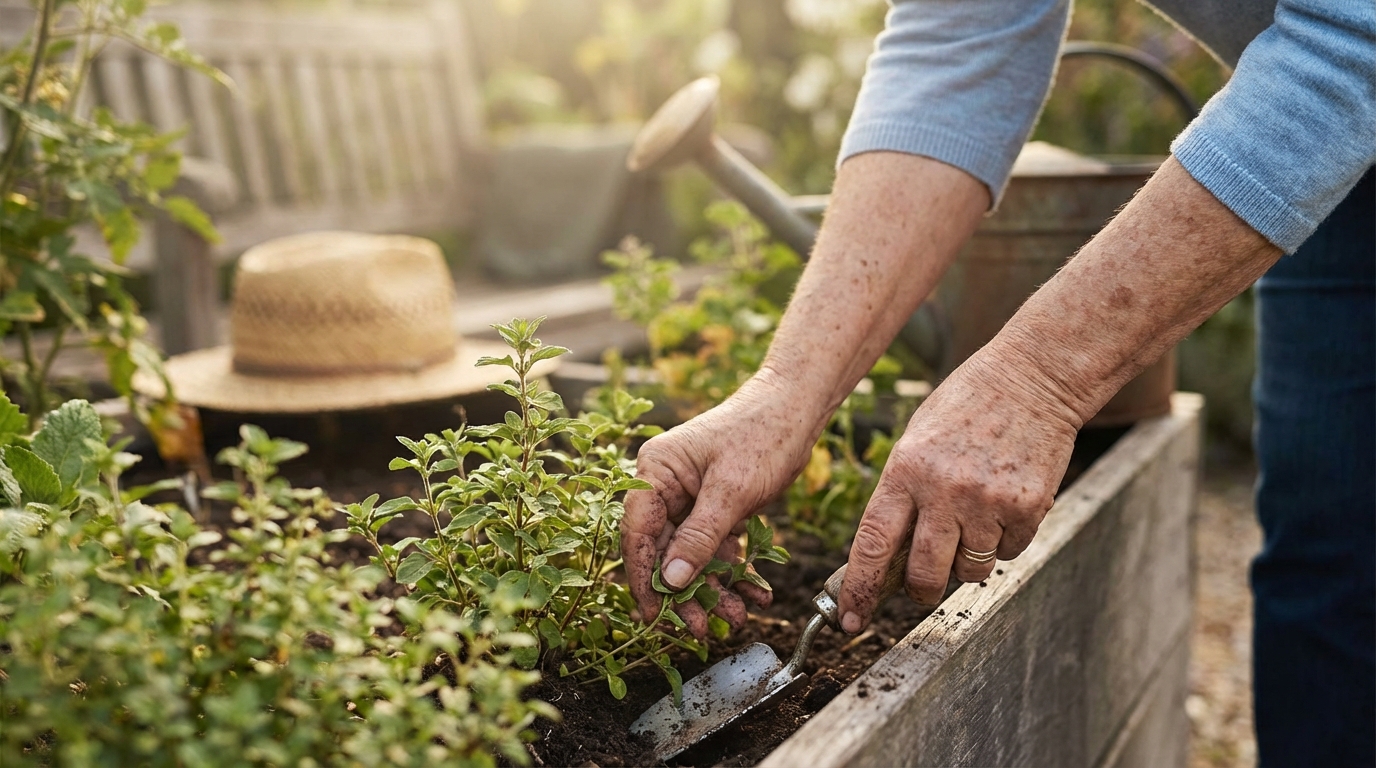
A garden responds best to the kind of care that fits quietly into daily life. Not rushed, not forceful, and not driven by sudden bursts of effort. Plants grow through steady rhythms, and they tend to thrive when attention follows the same pattern. Gentle care is not about doing less. It is about doing the right things at the right time, in ways that respect how living systems actually work.
Many gardens struggle not because they lack attention, but because the attention arrives in uneven waves. Heavy watering after long neglect, aggressive pruning to fix months of growth, or quick chemical fixes for problems that developed slowly. These actions often come from good intentions, yet they can weaken plants rather than strengthen them. Gentle care, by contrast, supports growth before problems take hold and builds resilience over time.
Understanding why gentle care works begins with observing how plants live. They respond to light, moisture, soil conditions, and handling in gradual ways. When changes are small and consistent, plants adjust smoothly. When changes are sudden and extreme, plants experience stress. Much of good gardening is about reducing stress, even when encouraging growth.
Gentle Care Builds Stronger Roots
Roots are the unseen foundation of every plant. They anchor the plant, absorb water and nutrients, and communicate with soil life. Gentle care focuses on creating stable conditions that allow roots to grow deeply and evenly rather than forcing quick top growth.
One common mistake is frequent shallow watering. This keeps the surface moist but leaves deeper soil dry. Plants respond by keeping roots near the surface, where moisture is easiest to reach. These shallow roots make plants more vulnerable to heat, drought, and wind. Gentle watering, done less often but more thoroughly, encourages roots to move downward. This creates a plant that can better handle dry spells and temperature swings.
The same principle applies to soil disturbance. Constant digging, turning, or poking around can break fine roots and disrupt soil structure. While occasional cultivation has its place, especially when preparing beds, gentle care favors minimal disturbance once plants are established. Leaving soil mostly intact allows roots to form stable networks and work in cooperation with soil organisms.
Healthy roots also depend on air as much as water. Compacted soil holds water poorly and suffocates roots. Gentle care includes walking paths that keep feet out of growing areas and avoiding heavy equipment on wet soil. These small habits preserve tiny air pockets in the soil, which roots need to breathe.
Steady Watering Creates Balance
Water is often treated as a quick solution. When a plant looks tired, the hose comes out. When rain arrives, watering stops entirely. This uneven approach can confuse plants and promote weak growth. Gentle care treats water as part of a regular rhythm rather than an emergency response.
Plants take in water through roots, but they also release it through leaves. This exchange helps move nutrients and cool the plant. When water arrives in consistent amounts, the plant can maintain this balance. When water swings between too much and too little, the plant closes its systems to protect itself, slowing growth.
Timing matters as much as amount. Watering early in the day allows moisture to soak into the soil before heat causes evaporation. It also gives leaves time to dry, reducing the chance of disease. Evening watering can be useful in hot climates, but wet leaves overnight can invite problems if air circulation is poor.
Gentle care pays attention to the soil before adding water. Pressing a finger a few inches into the ground reveals whether moisture is actually needed. The surface can look dry while the soil below remains damp. Watering only when needed prevents root rot and discourages pests that thrive in overly wet conditions.
Soil Improves Slowly and Lasts Longer
Healthy soil is not created in a single season. It develops through repeated small actions that build structure, fertility, and life. Gentle care focuses on feeding the soil in ways that last rather than chasing quick results.
Organic matter is the backbone of good soil. Leaves, compost, and plant residues break down over time, improving texture and nutrient availability. Adding small amounts regularly is more effective than large amounts all at once. Sudden heavy applications can overwhelm soil organisms and create imbalances.
Mulching is a quiet form of care that offers multiple benefits. A layer of mulch moderates soil temperature, slows evaporation, and reduces weed pressure. It also protects the soil surface from heavy rain, which can cause crusting and erosion. As mulch breaks down, it feeds the soil slowly and steadily.
Gentle care also respects the role of soil life. Worms, fungi, and bacteria work together to make nutrients available to plants. Excessive chemical inputs or frequent disturbance can disrupt this community. By feeding soil organisms and leaving them mostly undisturbed, the garden becomes more self-supporting over time.
Pruning With Patience Protects Plant Health
Pruning is often seen as a corrective action, something done to fix overgrowth or damage. Gentle care approaches pruning as an ongoing conversation with the plant rather than a one-time solution.
Small, regular pruning encourages balanced growth. Removing a few stems at a time allows the plant to adjust without shock. Heavy pruning, especially during active growth, can force a plant to redirect energy suddenly, leading to weak new shoots or reduced flowering.
Understanding how a plant grows helps determine where and when to prune. Some plants flower on old wood, others on new. Cutting at the wrong time removes future blooms. Gentle care includes learning these patterns and making adjustments gradually across seasons.
Clean, sharp tools are an often-overlooked part of gentle care. Dull blades crush stems rather than slicing them cleanly, creating larger wounds that heal slowly. Clean cuts reduce stress and lower the chance of disease entering the plant.
Observation Prevents Problems Before They Start
One of the most powerful aspects of gentle care is regular observation. Noticing small changes early allows for simple adjustments instead of major interventions later.
Walking through the garden daily, even briefly, builds familiarity. Leaves that droop slightly, color changes, or slower growth become noticeable when seen often. These early signs usually point to minor issues that are easy to correct, such as uneven watering or crowded roots.
Observation also helps distinguish between normal variation and real problems. Some leaf loss, insect presence, and uneven growth are natural. Gentle care avoids reacting to every imperfection. Instead, it looks for patterns. A few holes in leaves may not matter, but increasing damage over several days may call for action.
This calm attentiveness reduces the urge for drastic solutions. When changes are noticed early, gentle responses are usually enough. Adjusting water, improving airflow, or removing a few affected leaves can restore balance without further stress.
Plants Learn From Consistency
Plants respond to patterns in their environment. Light cycles, temperature shifts, and moisture levels all signal how to grow. Gentle care maintains consistency so plants can settle into reliable routines.
Moving plants frequently, changing their exposure, or altering care schedules confuses these signals. While some adjustments are necessary, especially as seasons change, frequent unnecessary changes can slow growth.
Indoor and outdoor plants alike benefit from stable placement. Once a plant is thriving in a spot, it is usually best to let it stay. Gentle care means resisting the urge to rearrange unless there is a clear reason, such as insufficient light or space.
Consistency also applies to feeding. Small, regular nourishment supports steady growth. Heavy feeding after long gaps can cause sudden spurts that outpace root development, making plants more fragile.
Weeds Are Managed, Not Battled
Weeds are often treated as enemies to be eliminated. Gentle care takes a more measured approach, focusing on management rather than constant conflict.
Weeds thrive in disturbed soil and open spaces. By keeping soil covered with mulch or plants, gentle care reduces opportunities for weeds to establish. This preventive approach is less labor-intensive than repeated removal.
When weeds do appear, removing them early is key. Small seedlings pull easily and leave minimal disturbance. Waiting until weeds are established allows roots to deepen and spread, making removal harder and more disruptive to nearby plants.
Not all unwanted plants are equally harmful. Some provide ground cover, shade soil, or indicate soil conditions. Gentle care includes learning which plants can be tolerated temporarily and which should be removed promptly.
Gentle Handling Reduces Hidden Damage
Physical handling affects plants more than it may seem. Rough movement, bending, or brushing can damage stems and leaves, even if the damage is not immediately visible.
Gentle care involves moving slowly through the garden and being mindful of contact. Supporting stems while working nearby and avoiding work when plants are wet can prevent breakage and disease spread.
This approach is especially important for young plants. Seedlings and new transplants are still establishing roots and stems. Gentle handling during this stage helps them settle in without setbacks.
Even routine tasks like harvesting benefit from a gentle approach. Twisting or cutting rather than pulling prevents root disturbance and reduces stress on the plant, allowing continued production.
Weather Is Worked With, Not Against
Gardens exist within changing weather, and gentle care respects these forces instead of fighting them. Rather than trying to control every condition, gentle care adapts to what is given.
During hot periods, providing shade with cloth or neighboring plants can reduce stress without altering the environment completely. During cooler times, mulch and wind protection help retain warmth.
After heavy rain, gentle care avoids immediate action. Wet soil is easily compacted, and working it too soon can cause long-term damage. Allowing soil to drain and settle before resuming work preserves structure.
Seasonal changes are also signals for adjusting routines. Gentle care anticipates these shifts, making small changes ahead of time rather than reacting after plants are already stressed.
Patience Allows Natural Strength to Develop
Strong plants are not rushed. They develop resilience through gradual exposure to normal challenges. Gentle care allows this process to unfold.
Overprotection can be as harmful as neglect. Plants that are constantly sheltered from wind, temperature changes, or minor pests may struggle when conditions inevitably shift. Gentle care provides support without removing all challenges.
This balance encourages plants to build stronger tissues and defenses. For example, moderate airflow strengthens stems, while limited pest presence can trigger natural protective responses.
Patience also applies to expectations. Some plants take time to establish before showing visible growth. Gentle care continues even when results are not immediate, trusting the process rather than forcing outcomes.
Simple Tools and Habits Make a Difference
Gentle care does not require complex equipment. In fact, simple tools often encourage better habits.
- Hand watering allows attention to individual plants and soil conditions.
- Mulch applied by hand helps ensure even coverage without burying stems.
- Pruners sized for the task reduce strain on both plants and hands.
These tools slow the pace of work just enough to encourage observation and care. Slower routines often lead to better decisions.
Habits matter as much as tools. Returning tools to their place, cleaning them after use, and storing supplies properly all support gentle care. These routines make it easier to act promptly and thoughtfully when needed.
Gentle Care Saves Effort Over Time
While gentle care may seem slower at first, it often reduces work in the long run. Plants that grow steadily and remain healthy require fewer interventions.
Balanced watering reduces disease and root problems. Healthy soil limits weed pressure. Regular observation prevents major issues. Each small action contributes to a system that supports itself more fully.
This approach also spreads effort evenly across time. Instead of exhausting bursts of work followed by neglect, gentle care fits into daily or weekly routines. This steadiness makes gardening more manageable and sustainable.
The garden becomes a place of ongoing attention rather than constant repair. Problems still arise, but they are usually smaller and easier to address.
Living Systems Respond to Respect
At its core, gentle care reflects respect for living systems. Plants are not machines that respond predictably to force. They are responsive, adaptive, and sensitive to their surroundings.
When care aligns with how plants naturally grow, results are more reliable. Leaves appear fuller, stems sturdier, and roots deeper. These qualities are built quietly, through repeated small acts.
Gentle care encourages a relationship with the garden that is attentive rather than controlling. This mindset supports not only plant health but also a more peaceful and rewarding gardening experience.
Each routine, no matter how small, contributes to a larger balance. Over time, this balance becomes visible in the steady growth and resilience of the garden itself.