
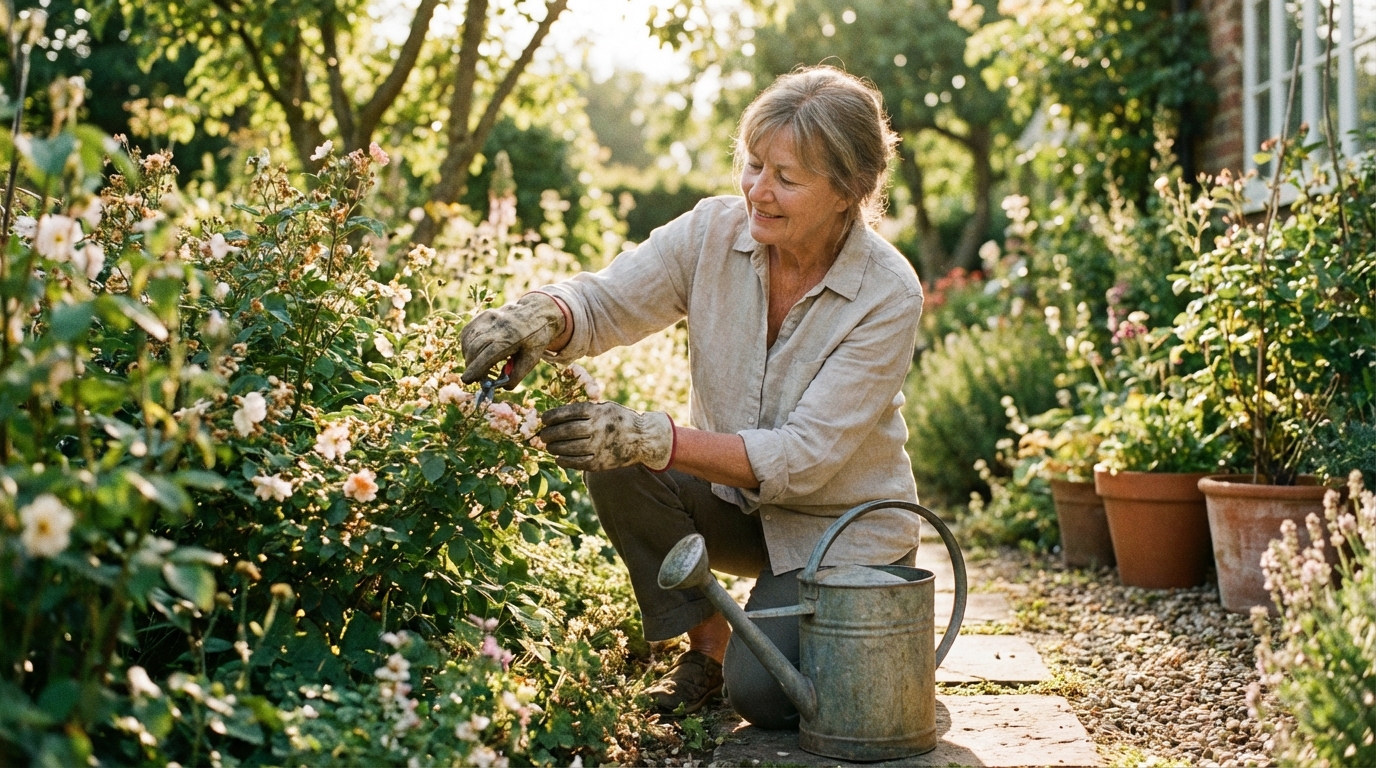
A garden responds best to steady, ordinary attention. Not the kind that arrives in bursts of enthusiasm, but the kind that shows up quietly, notices small changes, and makes simple adjustments before problems grow. When care becomes part of a regular rhythm, outdoor spaces stay healthier, more manageable, and more enjoyable to spend time in.
This way of tending a garden does not require special tools or advanced knowledge. It rests on observation, patience, and an understanding that plants, soil, and weather all move at their own pace. Regular attention works because it fits how gardens actually function, day by day, season by season.
How Gardens Respond to Small, Steady Care
Plants grow gradually. Weeds appear one by one. Soil changes with moisture, foot traffic, and weather. When care is spread out in small amounts, these changes are easier to respond to. A few minutes spent noticing new growth or shifting conditions can prevent hours of hard work later.
Regular attention allows problems to stay small. A single weed is easy to pull. A patch of weeds left for weeks may need digging. Dry soil caught early needs a gentle watering. Dry soil ignored for too long can stress roots and slow growth for weeks afterward.
This steady approach works because it respects the pace of living systems. Gardens rarely fail suddenly. They show signs first. Leaves lose color. Stems lean. Soil hardens or stays soggy. When someone is present often enough to notice these signals, care becomes more effective and less urgent.
Why Short Visits Matter More Than Long Workdays
Spending a little time in the garden often is more useful than setting aside an occasional full day. Short visits keep the work light and focused. There is less strain, fewer surprises, and more clarity about what truly needs attention.
Long workdays often happen after something has gone wrong. Plants are overgrown, pests have spread, or beds are cluttered. At that point, decisions are rushed, and mistakes are more likely. Regular visits keep tasks simple enough to be done thoughtfully.
A short visit may include:
- Checking soil moisture with a finger instead of guessing.
- Looking under leaves for early signs of pests.
- Noticing which plants are thriving and which are struggling.
- Removing a handful of weeds before they settle in.
These actions take minutes, but they keep the garden in a state that is easy to care for. They also build familiarity. Over time, patterns become clear, and decisions become more confident.
Understanding Soil Through Regular Contact
Soil tells its story quietly. It shows its condition through smell, texture, and how it reacts to water. Regular attention allows these details to be noticed and understood.
Healthy soil crumbles easily and smells earthy. Compacted soil feels hard and resists water. Soil that stays wet too long may signal drainage issues or overwatering. These clues are easiest to read when hands are in the soil often.
Frequent, gentle contact prevents soil problems from becoming severe. Light cultivation keeps the surface open to air. Adding small amounts of organic matter regularly improves structure without overwhelming the soil life. Adjustments made slowly are easier for plants to adapt to.
When soil is only addressed during major projects, it often receives heavy treatments all at once. This can disrupt beneficial organisms and create uneven conditions. Regular attention supports balance rather than correction.
Watering Becomes More Accurate With Routine Observation
Watering is one of the most misunderstood parts of garden care. Too much can be just as harmful as too little. Regular attention makes watering more precise because it relies on observation rather than schedules.
Soil dries at different rates depending on sun, wind, plant size, and temperature. A bed that needed water yesterday may not need it today. By checking often, watering becomes responsive instead of routine.
Signs that guide better watering include:
- Leaves that droop during the heat but recover in the evening.
- Soil that is dry on the surface but moist below.
- Areas that dry faster due to exposure or slope.
Regular observation also helps avoid shallow watering. When water is applied thoughtfully, it reaches deeper roots. Plants become more resilient and less dependent on constant moisture.
Weeds Stay Manageable When Addressed Early
Weeds are not just unwanted plants. They are signals of open space, disturbed soil, or changing conditions. When they are noticed early, they are easier to remove and less likely to return.
Young weeds have shallow roots. They come out easily with minimal disturbance to the soil. Left alone, they anchor deeply, spread seeds, and compete with garden plants for water and nutrients.
Regular attention keeps weed control gentle. Instead of digging or pulling large clumps, a few minutes of light removal keeps beds tidy. This approach also reduces the need for tools and prevents soil disruption.
Weeds also offer information. A sudden increase may suggest bare soil, compaction, or overwatering. Noticing these patterns allows adjustments that reduce weed pressure naturally.
Pruning and Trimming Are Easier When Done Gradually
Plants respond best to small, timely adjustments. Regular trimming guides growth without shocking the plant. Large cuts made after long neglect can stress plants and slow recovery.
Frequent attention allows shaping to happen slowly. Dead or damaged growth can be removed as it appears. This keeps plants healthy and prevents disease from spreading.
When pruning becomes part of a routine, it also becomes more precise. Each cut is made with awareness of the plant’s structure and direction of growth. This results in stronger, better-shaped plants over time.
Gradual pruning also reduces waste. Small amounts of trimmings can be composted easily. Large piles from heavy cutting are harder to manage.
Pest Problems Are Easier to Control When Spotted Early
Most garden pests begin as a small presence. A few holes in leaves or a cluster of insects on a stem are early signs. Regular attention allows these signs to be seen before damage spreads.
Early intervention often requires simple actions. Hand removal, washing leaves with water, or improving air flow can solve the problem. These methods are gentle and effective when used promptly.
When pests go unnoticed, they multiply. At that point, control becomes more difficult and may require stronger measures. Regular observation keeps solutions simple and targeted.
Understanding pest behavior also comes from watching regularly. Some insects appear only at certain times of day. Others prefer stressed plants. These patterns are easier to recognize with frequent visits.
Plant Health Is Easier to Support With Ongoing Awareness
Healthy plants show subtle signs before they decline. Color changes, slowed growth, or unusual leaf shapes often appear gradually. Regular attention helps catch these signs early.
Early care may include adjusting watering, adding nutrients, or improving light exposure. These small changes are more effective when made before stress becomes severe.
Plants that receive consistent care also develop stronger root systems. They adapt better to weather changes and recover faster from minor damage.
Ongoing awareness creates a sense of partnership with the garden. Plants are not just maintained; they are understood.
Seasonal Transitions Are Smoother With Regular Care
Gardens change with the seasons, but these changes do not happen overnight. Regular attention helps ease transitions and reduces sudden workloads.
As seasons shift, small tasks can be done gradually:
- Removing spent plants a little at a time.
- Adjusting watering as temperatures change.
- Adding mulch before soil cools or heats too quickly.
These actions prepare the garden without overwhelming it. Soil stays protected. Plants adjust more easily. The garden remains orderly through change.
Seasonal care done in small steps also reduces waste. Materials are used thoughtfully, and plants are given time to finish their natural cycles.
Tools Stay in Better Condition With Frequent Use
Regular garden attention naturally leads to better tool care. Tools used often are cleaned more often. Dirt does not harden, and rust is less likely to form.
Short visits require fewer tools, which simplifies maintenance. A quick rinse and dry after use becomes a habit rather than a chore.
Well-maintained tools make garden work easier and safer. Cuts are cleaner. Soil work is smoother. This supports better results with less effort.
The Garden Becomes Easier to Read Over Time
Frequent presence builds familiarity. Patterns emerge. Certain areas dry faster. Some plants respond quickly to care, others more slowly.
This understanding leads to better decisions. Watering becomes targeted. Plant placement improves. Effort is directed where it matters most.
A garden that is read often does not surprise its caretaker. Changes are expected and met calmly. This reduces stress and builds confidence.
Regular Attention Encourages Thoughtful Planning
When the garden is visited often, planning happens naturally. Ideas arise from observation rather than impulse.
Seeing where plants struggle may suggest better placement next season. Noticing empty spaces may inspire additions that fit the existing balance.
This kind of planning is grounded in reality. It respects the garden’s conditions and avoids unnecessary changes.
Consistency Reduces Physical Strain
Garden work can be demanding when tasks pile up. Regular attention spreads effort over time, making it gentler on the body.
Light, frequent tasks require less strength and fewer repetitive motions. This reduces fatigue and the risk of injury.
Working in this way keeps the garden accessible and enjoyable. Care becomes part of daily life rather than an exhausting project.
Order Supports Growth
A garden that is kept in order through regular attention supports healthier growth. Paths remain clear. Beds stay defined. Plants receive the space they need.
Order does not mean rigidity. It means awareness of how elements interact. When space is respected, air flows better, light reaches leaves, and roots expand freely.
Maintaining order through small actions prevents the need for major reorganization later.
Emotional Ease Comes From Steady Care
Regular garden attention creates a sense of calm. Tasks are predictable. Progress is visible. There is satisfaction in small accomplishments.
This steadiness carries into other parts of home life. The garden becomes a place of quiet reassurance rather than pressure.
Knowing that care is ongoing reduces worry. There is trust that issues will be noticed and addressed in time.
Why Patience Matters More Than Speed
Gardens do not respond well to haste. Changes take time to show results. Regular attention encourages patience by keeping expectations aligned with natural rhythms.
Patience allows for adjustment. If something does not work, there is time to observe and try a different approach.
This mindset prevents overcorrection. Instead of reacting strongly to every issue, care becomes measured and thoughtful.
When Regular Attention Is Not Enough
There are times when gardens face challenges beyond routine care. Severe weather, poor soil conditions, or long absences can create problems that require more effort.
Even in these cases, regular attention before and after the event helps recovery. A garden that has been well tended is more resilient.
Knowing when extra work is needed comes from familiarity. Regular care builds the understanding required to respond appropriately.
The Quiet Strength of Everyday Care
Gardens thrive on presence. Not constant activity, but steady awareness. Regular attention honors the slow, living nature of outdoor spaces.
This approach keeps gardens manageable, healthy, and welcoming. It fits naturally into daily routines and supports a lasting relationship with the land.
Through small, frequent acts of care, a garden becomes not just maintained, but truly tended.