
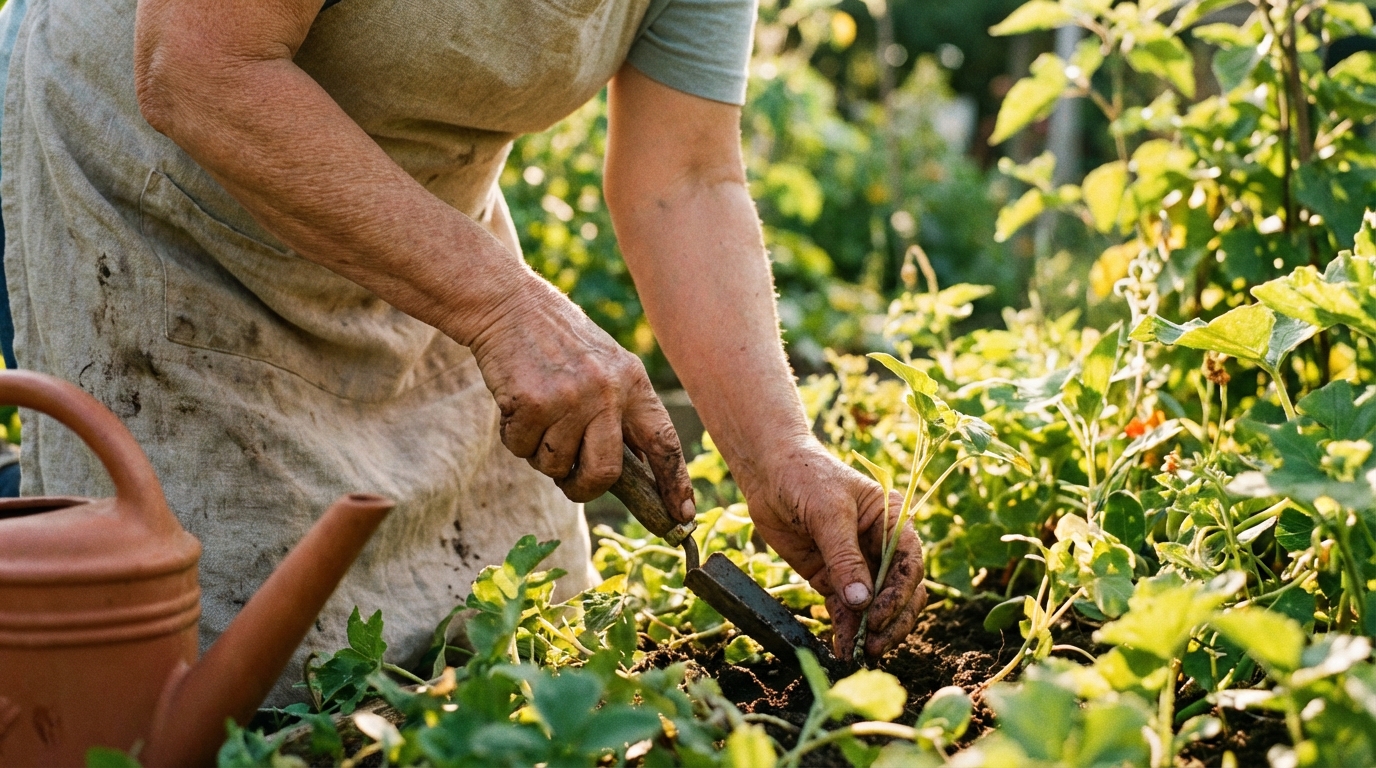
There is a quiet way that gardens shape the feeling of a day. It does not announce itself. It settles in through small actions repeated often: opening a door in the morning, noticing soil texture, pausing before watering, checking leaves before making coffee. Over time, these small moments begin to guide how hours unfold. The day starts to bend around care, observation, and patience rather than rushing from one task to another.
Gardens do not demand constant attention, but they respond clearly to it. This response changes how daily time is experienced. Instead of time passing unnoticed, it becomes marked by light, temperature, moisture, and growth. The rhythm of tending plants is steady but flexible, shaped by weather and seasons rather than clocks alone.
The Morning Pull Toward the Outdoors
A garden creates a reason to step outside early, even briefly. Morning light reveals details that disappear later in the day. Dew outlines leaf edges. Soil shows whether it cooled overnight or held warmth. These signs offer information without urgency, inviting a slower start.
Morning garden routines work best when they stay simple. A quick walk, a touch of soil, a glance under leaves is often enough. This early check prevents larger problems later because issues are easiest to correct when they are small.
Plants absorb water more efficiently in the morning. Leaves dry as the sun rises, which reduces the chance of disease. This is not just a rule but a practical reason mornings feel calmer in the garden. Tasks done early tend to support the whole day rather than interrupt it.
Morning time in the garden also shapes attention. Instead of starting the day with noise or screens, the focus turns to physical details. The mind adjusts to observing rather than reacting. This carries forward into indoor tasks, making them feel more grounded.
What to Notice Without Doing Much
Not every morning visit needs action. Observation alone builds understanding.
- Leaf position indicates water needs. Upright, firm leaves usually mean the plant is comfortable. Soft or drooping leaves may mean thirst, but they can also signal cold nights.
- Soil color changes quickly. Dark soil holds moisture; pale soil dries out. This is often more reliable than a fixed watering schedule.
- Insects are easiest to spot early. Many are harmless or helpful. Knowing which ones appear regularly prevents unnecessary worry later.
These small observations make decisions easier later in the day. They also reduce the feeling of being behind, because the garden has already been acknowledged.
How Gardens Create Natural Breaks
Gardens introduce pauses that feel useful rather than distracting. A short break to water, harvest, or check growth divides the day into manageable parts. These breaks do not pull attention away from responsibilities; they reset it.
Unlike indoor chores that often expand to fill available time, garden tasks are limited by real needs. Plants require water, support, or pruning only when conditions call for it. This teaches restraint. Overworking the garden can cause harm, so stopping at the right moment becomes part of the routine.
Midday garden checks often differ from morning ones. Heat reveals stress more clearly. Leaves curl, soil crusts, and shade patterns shift. These changes inform how the rest of the day should proceed.
Understanding When to Step In and When to Wait
Not every sign of stress needs immediate action. Learning the difference between temporary discomfort and real trouble builds confidence.
- Some plants droop in heat but recover by evening. Watering them at peak heat can actually shock roots.
- Wilted leaves in consistently moist soil may indicate root problems rather than thirst.
- Yellowing leaves near the base can be part of normal growth, especially later in the season.
Knowing these patterns prevents unnecessary interventions. This understanding comes from repeated, calm observation rather than constant adjustment.
The Way Soil Care Slows the Pace
Soil demands patience. Improvements happen gradually, often over seasons rather than days. This long view changes expectations about effort and reward.
Working with soil involves touch and resistance. It cannot be rushed without consequences. Turning soil too often breaks its structure. Adding amendments without need can imbalance it. Careful handling teaches moderation.
Simple soil habits shape daily rhythm. Checking moisture by feel, adding organic matter slowly, and covering bare soil with mulch all reduce urgent tasks later.
Why Mulch Changes Daily Work
Mulch does more than hold moisture. It buffers temperature swings, protects soil life, and reduces weeds. This means fewer interruptions during the day.
- Soil under mulch stays cooler during heat, reducing plant stress.
- Moisture remains available longer, so watering becomes less frequent.
- Weeds struggle to establish, lowering the need for constant removal.
These effects create a calmer garden environment. The day feels less reactive because fewer problems appear suddenly.
Seasonal Shifts and Emotional Timing
Gardens align daily feelings with seasonal changes. Early growth brings anticipation. Peak growth brings responsibility. Decline brings acceptance and preparation.
This alignment reduces the pressure to maintain the same pace year-round. Some days are meant for planting, others for watching, and others for resting the soil.
Seasonal tasks influence indoor routines as well. Laundry dries faster in summer when garden water use increases. Meals adjust to what is harvested. Storage and cleaning happen naturally as part of seasonal transitions.
Letting the Garden Set the Day’s Emphasis
On planting days, time feels forward-looking. On harvest days, it feels complete. On cleanup days, it feels reflective. Allowing these moods to guide the rest of the day creates coherence rather than conflict.
Trying to maintain the same productivity level during all garden phases often leads to frustration. Recognizing that some days are meant for light work makes space for rest without guilt.
Small Garden Tasks That Anchor Time
Certain tasks repeat often and act as anchors throughout the day. They are simple, necessary, and grounding.
Watering
Watering teaches attentiveness. It requires noticing where water flows, how quickly soil absorbs it, and when enough is enough.
Overwatering often comes from impatience. Water pooling on the surface usually means soil needs time to absorb moisture. Pausing between passes allows deeper roots to benefit.
Hand watering, when possible, creates a slower rhythm. It also reveals issues hidden by automatic systems, such as blocked emitters or uneven coverage.
Harvesting
Harvesting at the right moment improves flavor and reduces waste. It also shapes the rest of the day, influencing meals and storage tasks.
Picking produce in the morning preserves crispness. Waiting too long can lead to overripeness, which adds urgency and extra work.
Regular harvesting signals plants to continue producing. Skipping this step often leads to sudden overload later.
Light Maintenance
Removing a damaged leaf, adjusting a support, or brushing soil off a path takes little time but prevents larger issues.
These small actions fit easily between other tasks. They keep the garden orderly without demanding long work sessions.
Weather as a Daily Guide
Gardens make weather meaningful rather than inconvenient. Rain is not just an obstacle but information. Wind, clouds, and temperature shifts guide decisions.
Learning how the garden responds to weather builds trust. Instead of checking forecasts constantly, attention turns to real conditions.
Using Rain Wisely
Rainwater soaks soil differently than irrigation. It penetrates more evenly and cools the ground.
- After heavy rain, soil compaction can occur. Avoid walking on wet beds to protect structure.
- Light rain may only wet the surface. Checking deeper moisture prevents false confidence.
- Rain can wash nutrients downward. A gentle feeding afterward may be useful if growth slows.
Responding to rain rather than assuming its effect keeps the day balanced.
How Gardens Reduce Decision Fatigue
Many daily decisions feel abstract. Garden decisions are concrete. A plant needs water or it does not. A bed is ready for planting or it is not.
This clarity reduces mental strain. When the garden sets clear priorities, other decisions feel less overwhelming.
Repeating the same care routines builds familiarity. Over time, choices become intuitive rather than analytical.
Routine as a Form of Rest
Routine garden tasks require attention but not heavy thought. This combination provides rest without inactivity.
Pulling weeds, tying plants, or spreading compost engages the body while allowing the mind to settle. This state often leads to clearer thinking later in the day.
Indoor Life Adjusts Around the Garden
A garden subtly reorganizes indoor routines. Shoes stay near the door. Towels are repurposed for muddy hands. Windows open more often to check conditions.
These changes make the home feel more responsive. Indoor and outdoor spaces begin to support each other.
Cleaning patterns shift as well. Dirt tracked inside becomes expected rather than irritating. Cleaning becomes part of the cycle rather than a disruption.
Food Preparation Becomes Seasonal
When produce comes from the garden, meals adapt naturally.
- Simple preparations highlight freshness, reducing cooking time.
- Preservation tasks appear gradually rather than all at once.
- Menus shift based on availability, easing planning pressure.
This flexibility removes the need for rigid meal schedules. The day’s rhythm follows what is ready rather than what was planned far in advance.
Evening Checks and Closure
Evenings in the garden provide closure to the day. Light softens, shadows lengthen, and activity slows.
Evening checks are brief and gentle. They confirm that plants are settled for the night.
Watering in the evening can be useful during extreme heat, but it should be done carefully. Wet leaves overnight can invite problems, so focusing on soil rather than foliage matters.
What Evenings Reveal
Some issues only show themselves later in the day.
- Pests often appear at dusk.
- Plants stressed by heat show lingering damage.
- Support structures may need adjustment after a full day of growth.
Noting these things without acting immediately allows for better decisions the next morning.
The Quiet Confidence That Builds Over Time
As days pass, the garden becomes familiar. The need to check constantly fades. Confidence replaces vigilance.
This confidence spills into daily life. Trust in observation grows. There is less urge to overcorrect or rush.
Problems still arise, but they feel manageable. The garden has shown that steady care often corrects issues without dramatic action.
When the Garden Teaches Patience
Some lessons cannot be hurried. Seeds sprout on their own schedule. Roots establish unseen. Weather disrupts plans.
Accepting these limits changes how delays are perceived elsewhere. Waiting becomes part of the process rather than an obstacle.
This patience does not mean passivity. It means choosing the right moment to act.
Understanding Setbacks
Crop failure, pests, or weather damage happen. These events reshape the day but do not ruin it.
- Replanting teaches flexibility.
- Loss clarifies what truly matters.
- Recovery builds resilience.
Responding calmly keeps the day intact even when plans change.
Why Days Feel Fuller, Not Busier
Gardens add tasks, but they also add meaning. The day fills with purposeful actions rather than scattered ones.
Time spent tending plants often replaces less satisfying activities. This trade makes days feel richer without feeling crowded.
The sense of completion at the end of the day comes not from checking off many items, but from having cared for something living.
As this pattern continues, the garden becomes part of how days are measured. Not by hours, but by light, moisture, growth, and rest.