
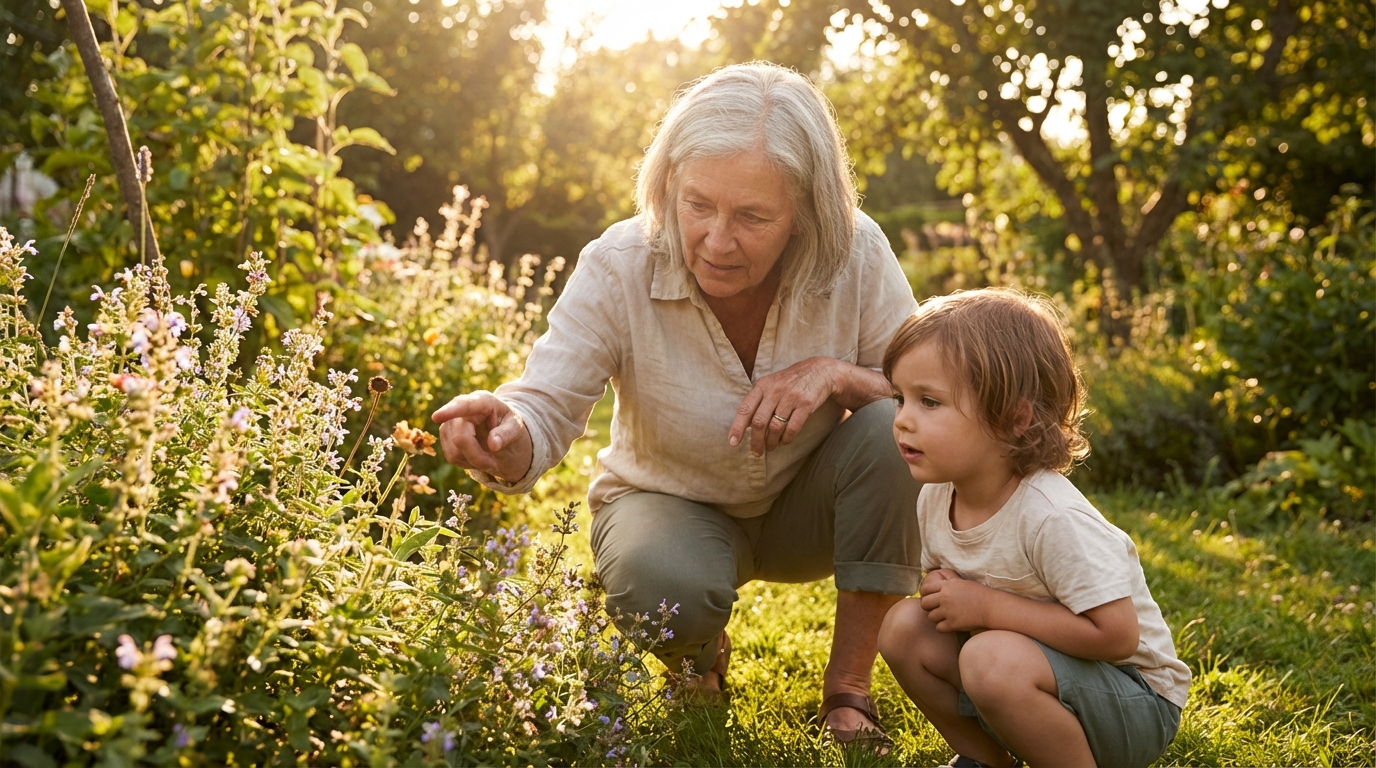
A garden has a way of settling the air around a home. Even before anything is planted, the space itself invites a slower pace. Paths soften footsteps. Soil absorbs sound. Time seems to stretch a little. For the youngest members of a family, this feeling often carries a special kind of wonder. The garden becomes more than an outdoor room. It feels like a place where ordinary rules loosen, curiosity is welcomed, and small discoveries matter.
This sense of magic does not come from elaborate designs or rare plants. It grows from simple, steady care and the quiet rhythms that repeat day after day. When a garden is tended with patience and purpose, it becomes a place where imagination feels safe and comfort comes naturally.
The Garden as a Gentle Transition Space
One reason gardens feel so special is that they sit between worlds. They are neither fully indoors nor fully wild. This in-between quality gives children room to explore without feeling overwhelmed. The boundaries are visible, yet soft.
A fence, hedge, or line of shrubs marks where the space begins and ends. Inside those edges, there is freedom to wander, crouch, touch, and observe. Outside, the wider world waits. This clear but gentle boundary helps young minds relax. It explains, without words, that this is a place meant for lingering.
The transition from house to garden matters more than it seems. A back step worn smooth, a door that opens easily, a hook for hats or gloves nearby all send the message that going outside is part of everyday life, not a special event. When stepping into the garden feels natural, it becomes part of daily routine rather than an occasional outing.
Why Familiar Paths Matter
Paths worn by regular use create trust. When feet follow the same route day after day, the body learns the space. A child learns where the ground dips slightly, where stones stay warm in the afternoon, where grass grows thickest.
This familiarity allows attention to shift outward. Instead of watching each step, there is space to notice a beetle crossing the path or the way leaves move in the wind. Repetition builds confidence, and confidence opens the door to imagination.
Small Details That Invite Imagination
Gardens that feel magical often contain small, overlooked details. These are not decorative features meant to impress. They are practical elements that quietly invite curiosity.
- A low wall that can be balanced on or sat upon.
- A tree with branches just wide enough to hold a pair of hands.
- A patch of soil left uncovered for digging.
- A shallow dish that collects rainwater.
These details work because they do not dictate how they should be used. They leave room for interpretation. A stone border can become a roadway. A cluster of herbs can turn into a kitchen for pretend meals. The magic lies in what is suggested, not what is explained.
The Power of Imperfection
Perfectly trimmed gardens often look beautiful but feel distant. Spaces that allow a bit of disorder feel more welcoming. A fallen branch left to dry, seed heads allowed to stand, or uneven edges where plants spill over paths all signal that the garden is alive and changing.
This sense of change teaches an important lesson without instruction. Living things do not stay the same. They grow, fade, and return in new forms. Children absorb this through observation, not explanation. The garden shows it quietly, season after season.
Routines That Build Comfort and Trust
Magic in a garden grows strongest when it is tied to routine. Visiting the space at the same time each day creates a gentle rhythm. Morning light feels different from afternoon shade. Evening air carries different sounds.
These repeated visits help young family members understand time. They begin to notice patterns. Dew dries. Shadows move. Flowers close and open. These small observations build a sense of order in the world.
Simple Tasks That Feel Meaningful
Participation deepens connection. Small tasks given regularly help a child feel useful rather than entertained. The key is to choose tasks that truly matter, even if they are simple.
- Watering one specific plant each day.
- Collecting fallen leaves from a path.
- Checking soil moisture with bare fingers.
- Refilling a bird dish.
These tasks work because the results are visible. A watered plant stands taller. A cleared path looks inviting. Birds return when water is fresh. Cause and effect become clear, building a quiet sense of responsibility.
It is important that these tasks are not rushed. Speed removes meaning. Allowing time for pauses, questions, and mistakes keeps the experience calm and enjoyable.
Sensory Experiences Rooted in Reality
Gardens engage all the senses in gentle ways. This sensory richness is part of what makes them feel magical, yet grounded.
Smell arrives first. Damp soil after rain. Crushed leaves between fingers. Herbs warmed by the sun. These scents anchor memories more strongly than words. When experienced regularly, they become comforting signals of home.
Touch follows closely. Rough bark, soft moss, cool stone, dry seed pods. The variety teaches that the world is textured and complex. There is no need to explain this. Hands learn on their own.
Sound as a Quiet Guide
Sound in a garden is softer than in most indoor spaces. Leaves rustle instead of machines humming. Birds call without urgency. Even silence feels different outdoors.
This quieter soundscape helps settle busy thoughts. It encourages listening rather than speaking. Over time, children learn to distinguish between sounds. Wind in tall grass differs from wind in trees. Each carries information about weather and season.
These lessons build awareness and patience. They cannot be rushed or forced. They grow naturally with repeated exposure.
The Role of Seasons in Building Wonder
Seasonal change is one of the garden’s most powerful teachers. Each season brings a different kind of beauty and a different set of expectations.
Spring introduces anticipation. Buds appear before leaves. Seeds are planted without immediate reward. This teaches patience in a practical way. Waiting becomes part of the process, not an inconvenience.
Summer offers abundance. Growth is visible and fast. Days are long. The garden feels generous. This is when routines like watering and harvesting feel especially rewarding.
Learning Through Slower Seasons
Autumn and winter often receive less attention, yet they offer important lessons. Leaves fall. Beds are cleared. Growth slows or stops. The garden looks quieter, but it is not empty.
These seasons show that rest is part of life. Soil recovers. Roots strengthen. Wildlife finds shelter. When children see the garden cared for even when nothing seems to be happening, they learn that value is not always visible.
Simple actions during these times, such as covering beds with leaves or checking stored tools, reinforce the idea that care continues year-round.
Tools as Symbols of Trust
Allowing young family members to use real tools, scaled to their size, can deepen their connection to the garden. This is not about productivity. It is about trust.
A small trowel, a lightweight watering can, or a pair of gloves signals that their presence is valued. These tools should be stored in an accessible place, not hidden away.
When tools are treated with respect, children learn to do the same. They see that objects have purpose and require care. This understanding carries into other areas of life.
Teaching Care Through Maintenance
Cleaning tools after use is an often-overlooked part of garden routine. Wiping soil from metal, hanging tools properly, and checking for damage all teach responsibility in quiet ways.
These actions show that work does not end when the task is finished. Care continues afterward. This lesson is subtle but lasting.
Spaces for Quiet and Observation
Not every part of a garden needs to invite activity. Quiet corners are just as important. A bench under a tree, a patch of shade beside a wall, or a simple mat placed on grass can become places of rest.
These spaces encourage observation rather than action. Watching insects move through flowers. Noticing clouds drift. Feeling the temperature change as the sun lowers.
Such moments help children learn how to be still without being bored. This skill is increasingly rare and deeply valuable.
Why Stillness Feels Safe Outdoors
Indoors, stillness can feel restrictive. Outdoors, it feels chosen. The open space removes pressure. There is always something to look at, even when sitting quietly.
This sense of safety makes it easier for young minds to process thoughts and feelings. The garden holds them without asking for explanation.
Edible Plants and the Sense of Care
Plants that can be eaten add another layer of meaning to a garden. Herbs, berries, or simple vegetables show the direct link between care and nourishment.
When a child waters a plant and later tastes its leaves or fruit, the connection is clear. Effort leads to reward. Time matters. Skipping care has consequences.
This understanding encourages respect for food. It shows that meals begin long before the kitchen.
Managing Expectations Gently
Not every plant thrives, and not every harvest succeeds. These moments are important. They teach resilience and realism.
Explaining why something failed, such as too much water, too little light, or unexpected weather, helps children understand that outcomes depend on many factors. Blame is unnecessary. Learning is enough.
Weather as Part of the Experience
Gardens change with the weather, and experiencing these changes builds adaptability. Light rain, wind, and shifting temperatures all teach awareness.
Simple preparations make these experiences comfortable. A place to hang wet clothes, a towel near the door, or a warm drink afterward all show that discomfort can be managed.
This approach teaches that nature does not need to be avoided. It needs to be understood and respected.
Knowing When to Go Inside
Just as important as going out is knowing when to return indoors. Strong winds, extreme heat, or heavy rain can overwhelm. Recognizing these limits teaches self-care.
The garden remains inviting because it is not forced. Leaving at the right time preserves its sense of safety.
The Lasting Impact of Everyday Care
The magic felt by children in a garden does not come from rare moments. It grows from everyday care. From the way gates are closed gently. From how plants are checked regularly. From the patience shown when something takes time.
These small actions build an atmosphere of trust and calm. Over time, the garden becomes a place where imagination feels natural and comfort is always close.
Without speeches or lessons, the garden teaches how to pay attention, how to care, and how to wait. These lessons settle quietly, carried forward through memory and habit, long after the day’s work is done.