
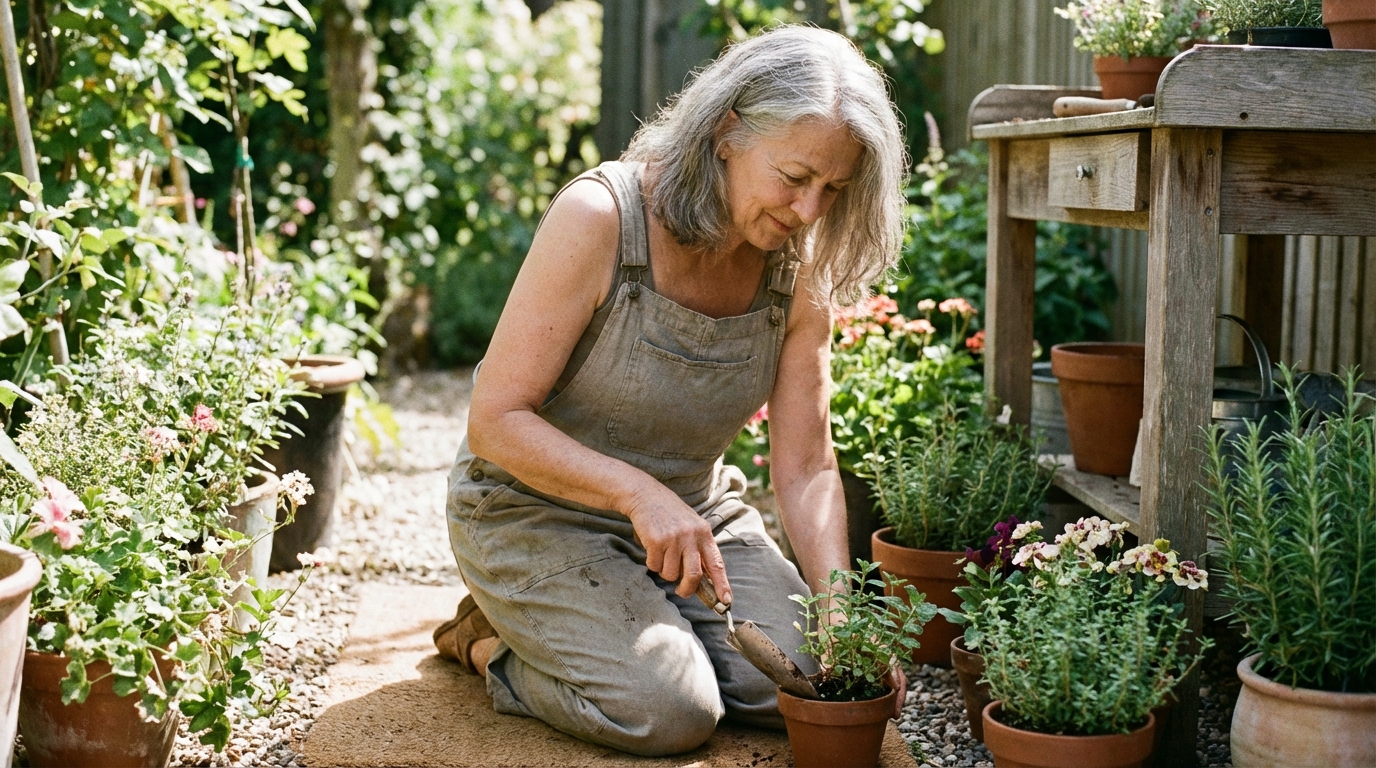
There is a quiet steadiness to tending a garden with care rather than force. It shows up in the way the soil is touched, the pace of planting, and the patience given to small changes. Gentle gardening is not about doing less. It is about doing what fits the season, the space, and the person tending it. This approach often feels sustainable because it mirrors how homes are kept well over time: through steady attention, modest effort, and respect for natural limits.
Many people feel worn down by gardening advice that pushes for constant productivity or dramatic results. Rows must be perfect. Yields must be high. Every problem must be fixed immediately. Gentle gardening offers a different rhythm. It allows the garden to grow at its own pace while the caretaker stays attentive without becoming overwhelmed. This balance makes it easier to return to the garden day after day, year after year.
Steady Care Builds Trust Between Gardener and Garden
A garden responds best when it can rely on consistent, predictable care. Sudden changes, overcorrections, or long periods of neglect followed by intense effort can stress both plants and the person tending them. Gentle gardening focuses on small, repeatable actions that build a sense of trust.
Watering is a simple example. Rather than soaking beds irregularly, gentle gardening favors even moisture. This does not mean watering every day regardless of need. It means paying attention to the soil, weather, and plant type. When soil stays evenly moist but not soggy, roots grow deeper and stronger. Plants become better able to handle dry spells because they are not trained to expect sudden floods.
This steadiness also benefits the caretaker. Knowing that a short daily walk through the garden is enough prevents the feeling that everything must be done at once. Ten minutes spent observing leaves, soil texture, and growth patterns often reveals more than hours of rushed labor.
Why Small Actions Matter More Than Big Efforts
Big efforts can be satisfying in the moment, but they are hard to repeat. Gentle gardening relies on actions that fit easily into daily routines. These actions may seem minor, but their cumulative effect is significant.
- Pulling a few weeds each day prevents large infestations.
- Loosening soil lightly around plants improves airflow without disturbing roots.
- Removing damaged leaves early reduces the spread of disease.
Each task takes only a few minutes. Together, they keep the garden balanced. This approach works because it aligns with how natural systems function. Problems rarely appear all at once. They develop gradually. Addressing them gradually keeps them manageable.
Soil Health as the Foundation of Sustainability
Gentle gardening places soil at the center of every decision. Healthy soil reduces the need for constant intervention. When soil structure is stable and rich with organic matter, plants are better equipped to take care of themselves.
Rather than turning soil aggressively each season, gentle methods favor minimal disturbance. Digging deeply can break apart soil layers that support beneficial organisms. Light cultivation, or simply adding compost to the surface, allows earthworms and microbes to incorporate nutrients naturally.
This method works because soil life thrives on consistency. Frequent disruption forces organisms to rebuild their habitats repeatedly. Over time, this leads to compacted soil and reduced fertility. Gentle gardening avoids this cycle by working with the soil instead of against it.
Compost as a Slow, Reliable Support
Compost is often treated as a quick fix, but its real strength lies in slow improvement. Adding small amounts regularly feeds the soil without overwhelming it. A thin layer spread in early spring or fall gradually breaks down, improving texture and nutrient availability.
This approach prevents nutrient runoff and reduces the risk of burning plants. It also encourages deeper root growth. Roots follow nutrients as they move slowly downward, creating stronger plants that need less support later.
Compost works best when it matches the pace of the garden. Heavy applications may seem helpful, but they can disrupt soil balance. Gentle gardening favors patience, trusting that steady input leads to lasting results.
Plant Choices That Reduce Strain
Sustainability in gardening often begins before the first seed is planted. Choosing plants that suit the local climate, soil, and available time reduces ongoing effort. Gentle gardening does not push plants to adapt to unsuitable conditions. It selects plants that already belong.
This might mean favoring varieties known for resilience over those bred for appearance alone. Plants that tolerate a range of conditions require less monitoring and fewer corrections. They recover more easily from missed waterings or sudden temperature changes.
Matching plants to place also respects natural limits. Not every space needs to support demanding crops. Some areas are better suited to ground covers, herbs, or perennials that return reliably with minimal care.
Spacing and Placement as Preventive Care
Proper spacing is an often overlooked aspect of gentle gardening. Crowded plants compete for light, water, and nutrients. This competition weakens them and invites disease. Giving plants room to grow reduces the need for later intervention.
Thoughtful placement also matters. Plants with similar water and light needs support each other. Grouping them simplifies care and reduces mistakes. For example, placing drought-tolerant plants together prevents overwatering while allowing moisture-loving plants to thrive elsewhere.
These choices save time and energy because they prevent problems rather than fixing them. Prevention is a key principle of gentle gardening.
Weeds as Information, Not Just a Problem
Weeds are often treated as enemies, but they can also be messengers. Gentle gardening pays attention to what weeds reveal about soil conditions. Certain weeds thrive in compacted soil, while others indicate excess moisture or nutrient imbalance.
Instead of reacting with aggressive removal, gentle gardening encourages observation. If a particular weed returns repeatedly, it may point to an underlying issue. Addressing that issue reduces the weed’s advantage.
For example, improving drainage can reduce moisture-loving weeds. Adding organic matter can shift soil conditions away from those favoring shallow-rooted invaders. This approach takes longer, but it leads to more lasting change.
Consistent, Light Weeding Over Occasional Clearing
Gentle gardening favors frequent, light weeding. Removing young weeds before they set roots or seeds is far easier than clearing mature growth. This habit fits naturally into short garden visits.
Light weeding also minimizes soil disturbance. Pulling weeds gently or cutting them at the surface preserves soil structure. Over time, this creates a less hospitable environment for weed seeds, which prefer disturbed ground.
This method works best when combined with mulching. A modest layer of mulch blocks light, moderates temperature, and retains moisture. Applied thoughtfully, it reduces weed pressure without suffocating the soil.
Watering with Attention Rather Than Schedule
Watering is one of the most common sources of stress in gardening. Rigid schedules often ignore weather, soil type, and plant needs. Gentle gardening replaces strict routines with attentive observation.
Checking soil moisture before watering prevents both under- and overwatering. Pressing a finger into the soil provides immediate feedback. If the soil feels cool and slightly damp below the surface, watering can wait.
This approach saves water and protects roots. Constantly wet soil limits oxygen, leading to weak root systems. Allowing the surface to dry slightly encourages roots to grow deeper in search of moisture.
Timing and Method Matter
Watering early in the day allows moisture to reach roots before heat causes evaporation. It also gives leaves time to dry, reducing the risk of disease. Gentle gardening pays attention to these small timing details because they prevent problems without extra effort.
Slow watering methods, such as soaker hoses or gentle hand watering, are preferred. They deliver water where it is needed without disturbing soil or splashing leaves. This reduces erosion and keeps nutrients in place.
Over time, plants accustomed to gentle watering develop stronger structures. They become less dependent on frequent attention, which makes the garden easier to maintain.
Accepting Imperfection as Part of Care
Gentle gardening allows room for imperfection. Leaves may have blemishes. Growth may be uneven. These signs do not always indicate failure. Often, they reflect normal adaptation to changing conditions.
Chasing perfection can lead to unnecessary interventions that cause more harm than good. Applying treatments too quickly or pruning excessively can weaken plants. Gentle gardening favors watching and waiting before acting.
This patience is practical. Many issues resolve themselves as weather changes or plants mature. Intervening only when necessary preserves the garden’s natural balance.
Learning from Seasonal Patterns
Each season brings predictable challenges. Gentle gardening recognizes these patterns and responds calmly. Early spring may bring uneven growth. Mid-summer can stress plants with heat. Late season often shows fatigue.
Instead of fighting these phases, gentle gardening adjusts expectations. Supporting plants through transitions, rather than forcing constant productivity, reduces strain. This might mean shading young seedlings during heat waves or accepting slower growth during cooler periods.
Over time, familiarity with seasonal rhythms builds confidence. The garden becomes less of a project and more of a steady companion to daily life.
Tools and Techniques That Support Ease
Gentle gardening does not require many tools, but it benefits from choosing the right ones. Tools that fit the hand and task reduce fatigue and improve accuracy. A well-balanced hand trowel or sharp pruners make work smoother and more precise.
Keeping tools clean and sharp is part of gentle care. Clean tools reduce the spread of disease. Sharp edges make cleaner cuts that heal faster. These small maintenance habits prevent larger problems.
Using tools mindfully also protects the body. Working at a comfortable pace, taking breaks, and adjusting posture prevents strain. This makes gardening something that can be enjoyed regularly rather than endured occasionally.
Knowing When to Stop
One of the most important skills in gentle gardening is knowing when to stop. Overworking soil, over-pruning plants, or overcorrecting minor issues can undo good progress.
Leaving a task unfinished is sometimes the best choice. A bed does not need to be perfect before stepping away. Returning with fresh attention often reveals what truly needs doing.
This restraint supports sustainability by conserving energy and maintaining balance. The garden does not require constant control to thrive.
Daily Presence Without Pressure
Gentle gardening fits naturally into daily life because it does not demand long hours. A brief walk through the garden can be enough. This presence builds familiarity. Changes become noticeable early, when they are easiest to address.
Daily presence also fosters a sense of calm. The garden becomes a place of observation rather than obligation. This mental shift reduces overwhelm and keeps care consistent.
Not every visit requires action. Sometimes, simply noticing growth, color, or scent is enough. This attention strengthens the connection between caretaker and space.
Gardening as Part of the Home Routine
When gardening is treated like other home routines, it feels more sustainable. Just as dishes are washed regularly rather than all at once, garden tasks are spread out.
This integration prevents burnout. Gardening becomes another form of care, similar to tending a kitchen or airing out rooms. It fits into the rhythm of the day without demanding special preparation.
Over time, this steady rhythm creates a garden that reflects patience and care. It grows in a way that feels supportive rather than demanding.
Why Gentle Gardening Endures
Gentle gardening feels sustainable because it respects limits. It acknowledges that time, energy, and attention are finite. By working within these boundaries, it creates a practice that can be maintained.
This approach values long-term health over short-term results. It builds systems that support themselves, reducing the need for constant correction. The garden becomes more resilient, and care becomes more intuitive.
In the end, gentle gardening is less about technique and more about relationship. It is a way of paying attention, responding thoughtfully, and allowing growth to unfold steadily within the rhythms of everyday home life.