
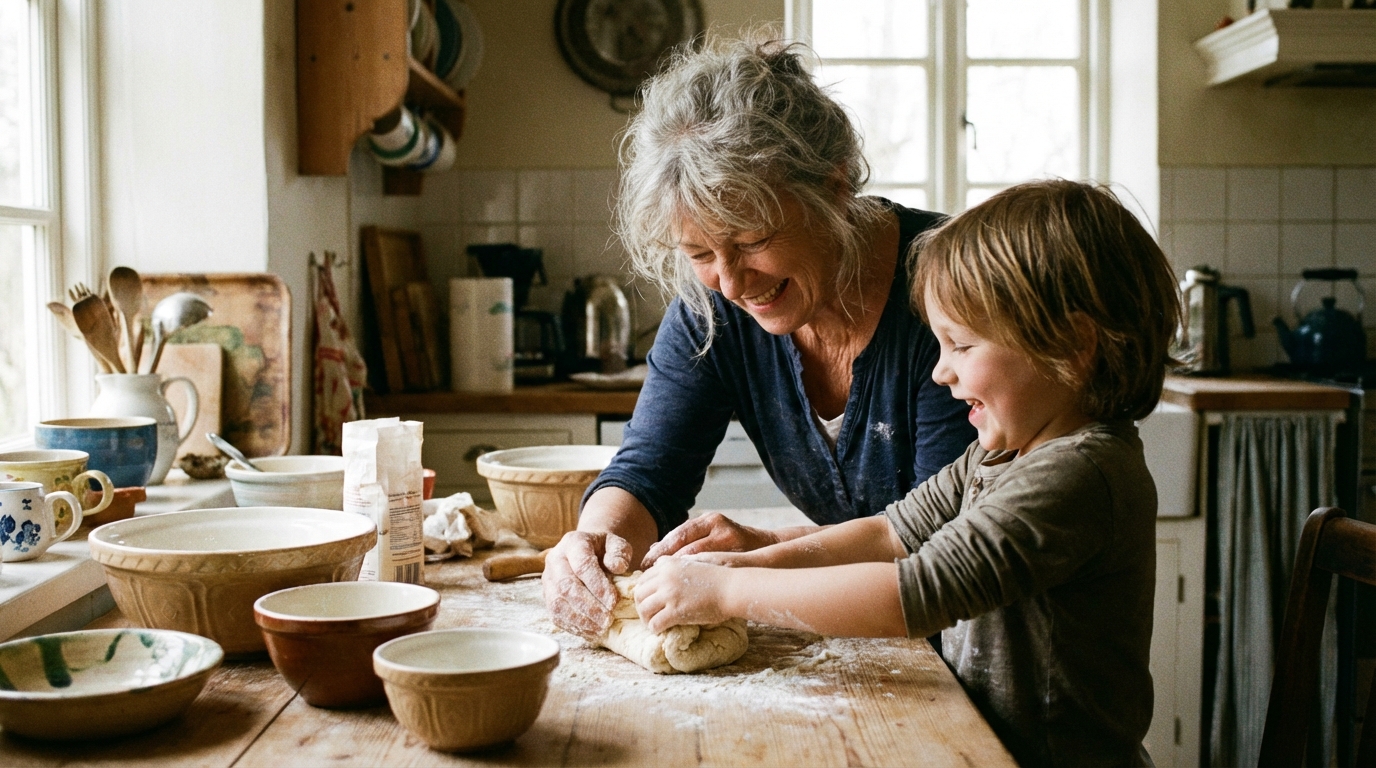
There is something quietly steady about making things together. It happens at the kitchen table, on the porch, or at a cleared corner of the living room. Hands move, materials shift, and time settles into a slower rhythm. No one rushes. No one needs to be impressive. The value comes from being side by side, focused on a shared task that asks for patience and care.
Shared creativity has long been part of home life. It does not rely on special tools or perfect results. It grows out of simple routines and everyday materials. When people make things together, they learn how to notice one another, how to wait, and how to work through small challenges. These moments build connection not by force, but by repetition.
Why Making Things Together Feels Different
Making something together is not the same as sitting together. It asks for attention in a gentle way. Hands are busy, but the mind is calm. Conversation can come and go without pressure. Silence is allowed. This creates a setting where connection grows naturally.
When people focus on a shared task, there is less need to explain feelings or fill space with words. The work itself carries the moment. Folding fabric, sanding wood, stirring dough, or sorting buttons all offer a quiet structure. This structure makes it easier for people of different temperaments to spend time together without strain.
Another reason shared making feels steady is that it moves at a human pace. Unlike screens or fast-paced activities, handwork responds to touch and time. Glue must dry. Dough must rest. Thread must be guided slowly. These limits teach patience without lectures. They remind everyone involved that some things cannot be rushed.
The Role of Hands in Connection
Hands are honest. They show effort, hesitation, and learning. When people work with their hands together, they see each other trying. This builds understanding. A shaky cut or uneven stitch is not a failure. It is a visible step in learning.
Working side by side also reduces the pressure to perform. There is no audience, only participants. Each person’s work looks different, and that difference is expected. Over time, this shared acceptance strengthens trust.
Choosing the Right Kind of Activity
Not every activity creates the same feeling. The best shared projects are simple enough to allow conversation and flexible enough to welcome mistakes. They should leave room for adjustment rather than demand precision.
Activities that work well often have a clear beginning and a natural stopping point. This helps everyone feel settled. Knowing when a task will end makes it easier to begin.
Simple Projects That Invite Connection
- Baking from a familiar recipe that allows small hands to measure, mix, or shape.
- Sewing or mending items that will be used at home, such as cloth napkins or simple pillow covers.
- Sorting and organizing materials for a future project, like buttons, seeds, or fabric scraps.
- Woodworking tasks like sanding or assembling pre-cut pieces.
- Seasonal crafts using natural materials, such as leaves, twine, or dried herbs.
The key is not the final product but the process. Projects that are too complex can create tension. Projects that are too easy can feel empty. A good balance invites participation without pressure.
When a Project Does Not Work
Sometimes an activity falls flat. Materials break. Attention drifts. Energy runs low. This is not a failure of the idea but a signal to adjust. Shortening the session, changing roles, or simply stopping can protect the experience.
It helps to keep projects flexible. If baking turns into more tasting than mixing, that is still time spent together. If sewing becomes sorting fabric by color, the hands are still busy and the mood remains calm.
The Importance of Routine
Connection grows stronger when shared making becomes part of a routine. A regular time and place removes the need to plan each session from scratch. It also builds anticipation.
Routine does not mean rigidity. It means familiarity. The same table, the same basket of supplies, the same gentle start. These small consistencies create a sense of safety.
Creating a Simple Routine
A routine can be as simple as setting aside one afternoon a week or a short time after dinner. The length matters less than the regularity. Even thirty minutes can be enough.
Keeping supplies together helps. A box or drawer with basic tools means less setup and less delay. When everything is ready, it is easier to begin.
Starting the same way each time also helps. Washing hands, clearing the table, or laying out materials signals that it is time to focus together.
Teaching Without Teaching
Shared making offers a quiet way to pass along knowledge without formal instruction. Skills are shown, not explained. This makes learning feel natural.
When one person demonstrates a step slowly, others can watch and try. Mistakes are corrected gently, often without words. This approach respects different learning speeds.
Why This Method Works
People learn best when they feel safe to try. In a shared project, there is no test and no grade. The focus stays on the task, not on performance.
Watching someone work also teaches problem-solving. How a knot is untangled or a crack is patched shows that problems are part of the process. This builds confidence over time.
Building Patience Through Process
Many handcrafts require waiting. Paint must dry. Dough must rise. Glue must set. These pauses are not empty. They create space for conversation or quiet observation.
Waiting together teaches patience in a practical way. It shows that good results often depend on allowing time to do its work.
Using Waiting Time Well
During pauses, it helps to stay nearby rather than leaving the task completely. This keeps the shared focus intact. Simple activities like cleaning tools, preparing the next step, or talking about what comes next maintain connection.
Waiting also offers a chance to notice small details. The smell of baking bread, the feel of sanded wood, or the look of drying paint all deepen the experience.
The Quiet Language of Care
Making things together often involves caring for materials. Tools are handled gently. Supplies are returned to their place. Finished items are treated with respect.
This care sends a quiet message. It shows that effort matters and that shared spaces deserve attention. Over time, this attitude extends beyond the project itself.
Modeling Care Through Action
When materials are cleaned and stored carefully, others notice. They learn that care is part of the process, not an extra step.
This approach avoids lectures. The lesson is in the doing. Over time, these habits become natural.
Allowing Space for Individual Expression
Even in shared projects, each person brings their own ideas. Colors are chosen differently. Patterns vary. This diversity should be welcomed.
Allowing individual expression within a shared task strengthens connection. It shows respect for personal taste and creativity.
Balancing Guidance and Freedom
Clear steps help beginners feel secure. At the same time, leaving room for choice keeps the activity engaging.
For example, a basic sewing pattern can be followed while allowing each person to choose fabric or decorative details. This balance keeps the project unified without being restrictive.
Using Everyday Materials
Shared creativity does not require special supplies. In fact, everyday materials often work best. They are familiar and easy to replace.
Using what is already on hand reduces pressure. It also teaches resourcefulness.
Ideas for Everyday Materials
- Scrap paper for drawing, folding, or simple bookmaking.
- Old clothing for patching, cutting, or repurposing.
- Kitchen ingredients for baking or simple cooking projects.
- Natural items like stones, sticks, or shells for sorting and decorating.
- Household containers for organizing or building.
These materials invite experimentation. If something goes wrong, it is easy to try again.
Handling Frustration Gently
Frustration is part of making things. Threads tangle. Pieces do not fit. Paint spills. These moments test patience.
How frustration is handled matters more than avoiding it. A calm response teaches resilience.
Responding to Challenges
When something goes wrong, pausing helps. Taking a breath, setting the item down, or stepping away briefly can reset the mood.
It also helps to name the problem simply. This keeps it manageable. Instead of focusing on the mistake, attention shifts to the next step.
Showing that mistakes can be fixed or adapted builds confidence. It shows that effort is worthwhile even when results are imperfect.
The Long View of Shared Making
Connection built through shared creativity does not appear all at once. It grows slowly, session by session.
Over time, familiar routines and repeated projects create a shared history. Finished items become reminders of time spent together.
Why Consistency Matters
Returning to the same kinds of activities deepens skill and comfort. Each session builds on the last.
This continuity also strengthens trust. Knowing that time together is regular and dependable creates a sense of belonging.
Adapting as Needs Change
As people grow and change, shared projects should change too. What worked once may need adjustment later.
Staying attentive to interest and energy keeps the experience positive.
Signs It Is Time to Adjust
- Attention fades quickly.
- Frustration appears early.
- The project feels more like a task than a pleasure.
Adjustments can be small. Shorter sessions, different materials, or a new setting can refresh interest.
Making Space for Quiet
Not every shared moment needs conversation. Quiet work can be just as connecting.
Allowing silence respects different moods. It also deepens focus.
The Value of Quiet Work
Quiet moments let the sounds of making come forward. Scissors cutting, pencils scratching, and bowls clinking all create a gentle rhythm.
This rhythm can be calming. It helps everyone settle into the task.
Respecting the Finished Work
When a project is complete, taking time to notice it matters. This does not require praise or display.
Simply using the item, placing it carefully, or acknowledging the effort honors the work.
Everyday Ways to Honor Finished Items
Using handmade items in daily life reinforces their value. A sewn cloth used at meals or a wooden item placed on a shelf becomes part of the home.
This use shows that the time spent making was meaningful.
The Steady Power of Doing Things Together
Making things together is not about productivity. It is about presence.
Through routine, patience, and care, shared creativity builds connection quietly and steadily. It fits into everyday life without demanding attention. Over time, these simple moments become part of what holds people close.