
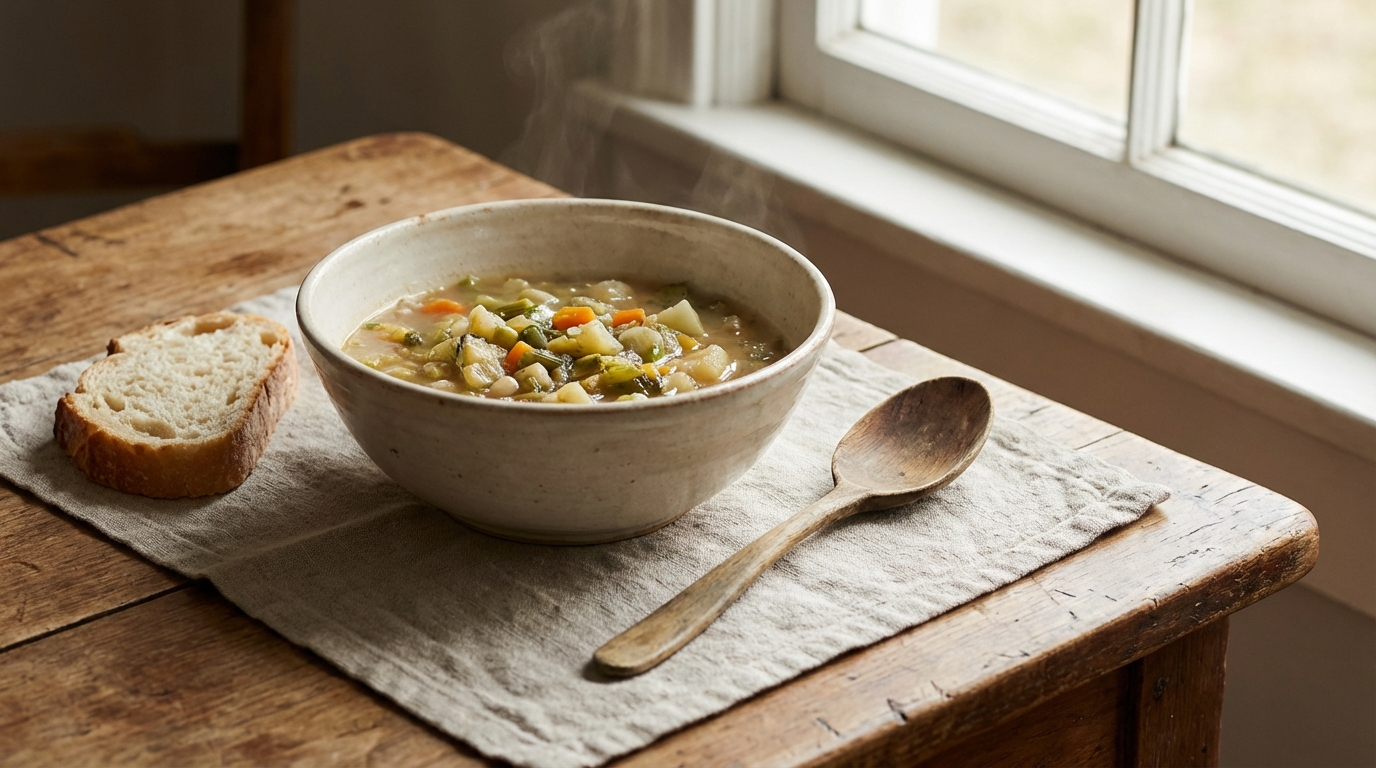
There is a quiet relief in knowing what dinner will be. Not excitement or novelty, but steadiness. A meal that has been cooked before, eaten before, and enjoyed without needing much thought can settle a day that has been full of decisions. Repeating meals is not about lack of imagination. It is about creating a dependable rhythm in the kitchen, one that supports the rest of daily life.
Familiar meals often carry a sense of safety. The body recognizes them. The hands know what to do. The mind relaxes. When meals repeat, satisfaction often grows rather than fades, because attention shifts from deciding what to make toward preparing it with care.
The Comfort of Knowing What Comes Next
Everyday life asks for constant choices. What to wear, when to leave, how to respond, what to fix first. Food decisions add to that mental weight. When meals repeat, one layer of uncertainty is removed. This is not about rigid schedules, but about having a few trusted anchors during the week.
Knowing what is for dinner can change how the afternoon feels. There is less rushing and less second-guessing. Ingredients are already in the pantry. The steps are familiar. This predictability allows energy to be used elsewhere, such as setting the table with care or taking an extra moment to chop vegetables evenly.
Repeated meals also reduce the pressure to make every dinner special. When a meal is expected, it does not need to impress. It only needs to nourish and satisfy. That expectation alone can make eating more enjoyable.
How Familiarity Shapes Satisfaction
Satisfaction does not always come from new flavors. Often it comes from knowing how a dish will taste and finding that it meets expectations. Familiar meals offer this steady reward. The mind anticipates the comfort, and the body responds with ease.
When a meal is eaten regularly, subtle improvements are noticed. The seasoning can be adjusted slightly. The cooking time becomes more precise. Over time, the dish fits personal taste more closely than any new recipe could on the first try.
There is also a sense of trust. A familiar meal has proven itself before. It has filled the stomach without discomfort. It has warmed the body or refreshed it, depending on the season. This trust encourages relaxed eating, which often leads to better digestion and fuller enjoyment.
Why the Body Responds Well to Repeated Foods
The body learns patterns just as the mind does. When similar foods appear regularly, digestion can become more efficient. The body prepares itself for what it expects. This does not mean eating the same thing every day without change, but having a small group of meals that return often.
Sudden or frequent changes in diet can sometimes cause discomfort, not because the food is unhealthy, but because the body has not adjusted. Familiar meals give the digestive system a chance to work smoothly, without surprises.
Comfort also comes from portion awareness. When a meal is known, it is easier to serve the right amount. There is less guesswork about how filling it will be. This helps avoid both waste and overeating.
Routines in the Kitchen Build Quiet Confidence
Repeating meals creates a rhythm in the kitchen. Certain days may naturally pair with certain dishes. This rhythm builds confidence over time. Cooking becomes less about following instructions and more about responding to sight, smell, and sound.
When a meal is cooked often, small details stand out. The sizzle that means the pan is ready. The color change that signals when to lower the heat. These cues are learned through repetition, not through reading.
This familiarity makes it easier to cook calmly. There is less checking and rechecking. Movements become smoother. Even cleaning up feels simpler, because the steps are known.
Skill Grows Through Repetition
Repeating meals allows skills to deepen quietly. Chopping becomes more even. Timing improves. Seasoning becomes more intuitive. These improvements happen naturally, without effort, because the same actions are practiced again and again.
This is especially helpful for simple dishes. A pot of soup, a pan of roasted vegetables, or a basic grain dish can taste very different depending on small choices. Repetition reveals these differences and teaches how to adjust.
Over time, a familiar meal can be prepared almost without thinking. This does not make it careless. It makes it attentive in a different way, allowing space to notice the quality of ingredients or the needs of those who will eat.
Planning Without Rigidity
Repeating meals does not require strict schedules. It works best when it allows flexibility. A few dependable meals can rotate through the week, adjusted by season, appetite, or available ingredients.
For example, a simple roasted dish might appear every week, but the vegetables change. A soup base may remain the same, while herbs or grains vary. This balance keeps meals familiar without becoming dull.
Planning in this way makes shopping easier. Staples are used regularly, so they are less likely to be forgotten at the back of the pantry. Fresh ingredients are bought with a clear purpose, reducing waste.
Knowing When Repetition Stops Helping
Comfort can turn into fatigue if a meal appears too often without change. The key is paying attention to appetite. When a familiar dish no longer satisfies, it may need a small adjustment or a rest.
This does not mean abandoning repetition entirely. Sometimes a short break is enough. The meal can return later and feel comforting again. Listening to these signals keeps routines supportive rather than restrictive.
Seasonal changes naturally guide this process. Heavier dishes feel right in cooler months, while lighter meals suit warmer days. Repetition works best when it follows these natural shifts.
The Role of Simple Ingredients
Repeated meals often rely on simple ingredients. This simplicity allows their qualities to stand out. When the same ingredients are used regularly, their differences become noticeable. A potato may roast faster one week. A grain may need more water the next.
This awareness leads to better cooking decisions. Instead of following exact measurements, adjustments are made based on observation. This is practical knowledge gained through use.
Simple ingredients also make repetition economical. Buying the same items regularly encourages careful storage and full use. Scraps are recognized as useful rather than waste.
Storage and Care Become Easier
When meals repeat, storage habits improve. Containers are chosen with purpose. Leftovers are expected and planned for. This reduces clutter in the refrigerator and makes it easier to see what needs to be used.
Knowing how long a familiar dish keeps allows for better timing. Some meals improve after a day. Others are best eaten fresh. This knowledge comes from experience, not rules.
Careful storage also protects flavor. A soup that is cooled properly and covered well will taste better the next day. Repetition teaches these details naturally.
Emotional Steadiness Through Familiar Food
Food affects mood as much as hunger. Familiar meals can steady emotions by providing a sense of normalcy. When days feel unsettled, a known dish can quietly restore balance.
This comfort does not rely on indulgence. It comes from reliability. The meal has been there before and will be there again. This continuity can be grounding.
Eating something known also allows attention to shift toward the experience of eating rather than evaluating the food. This can make meals feel more peaceful.
Shared Meals and Expectations
When others share in repeated meals, expectations align. There is less discussion about preferences and more ease around the table. Everyone knows what is being served and how it will taste.
This can encourage conversation and connection, because the meal itself does not demand attention. The food supports the gathering rather than competing with it.
Even when eating alone, this sense of expectation matters. Setting aside time for a familiar meal can mark a pause in the day, offering a moment of rest.
How Repetition Supports Careful Eating
Familiar meals make it easier to notice hunger and fullness. When the taste and texture are known, attention can turn inward. This awareness helps prevent eating out of distraction.
It also supports balanced portions. A known meal has a known effect. Serving sizes can be adjusted based on past experience rather than guesswork.
This careful eating is not about control. It is about listening. Repetition creates a stable background against which subtle signals can be heard.
Reducing Waste Through Predictability
When meals repeat, leftovers are expected. Plans are made for them. This might mean cooking extra on purpose or using remnants in another meal.
Predictability reduces forgotten food. Items are bought with intention and used with familiarity. This care saves resources and respects the effort behind each ingredient.
Over time, the kitchen becomes more efficient. Less is thrown away. More is used fully. This efficiency is quiet but meaningful.
Passing Down Practical Knowledge Through Habit
Many kitchen skills are not taught directly. They are absorbed through repetition. Familiar meals create opportunities to practice these skills regularly.
How to adjust heat without thinking. How to taste and decide what is missing. How to know when something is done by sound or smell. These lessons come from doing the same thing many times.
Repetition also encourages patience. There is no rush to finish quickly, because the process is known. This patience often improves results.
Teaching Without Instruction
When familiar meals are prepared regularly, others can observe and learn without formal lessons. The steps become visible. The timing becomes clear.
This kind of learning feels natural. It respects individual pace. Skills are picked up gradually, through presence rather than explanation.
Repetition makes this possible because it removes urgency. There is time to notice and absorb.
Keeping Familiar Meals Fresh
Comfort does not require sameness in every detail. Small changes can keep repeated meals interesting while preserving their familiar core.
Changing herbs, adjusting textures, or altering cooking methods slightly can refresh a dish. These changes work best when they are gentle, not dramatic.
The base remains the same. The comfort remains. The variation adds interest without disrupting routine.
Listening to Daily Needs
Some days call for warmth and fullness. Others call for lightness. Familiar meals can be adapted to meet these needs.
A soup can be made thicker or thinner. A grain dish can be served warm or at room temperature. These adjustments respond to the day without requiring a new plan.
This responsiveness keeps routines supportive. Meals serve the moment rather than forcing it.
The Quiet Strength of Repetition
Repeating meals is an act of care. It shows attention to what works and a willingness to return to it. This care extends beyond the plate, influencing how time and energy are used.
Familiar meals free space for other concerns. They simplify without diminishing. They support rather than demand.
In a world that often values constant change, repetition offers steadiness. In the kitchen, this steadiness can feel like a small, reliable comfort that carries through the day.