
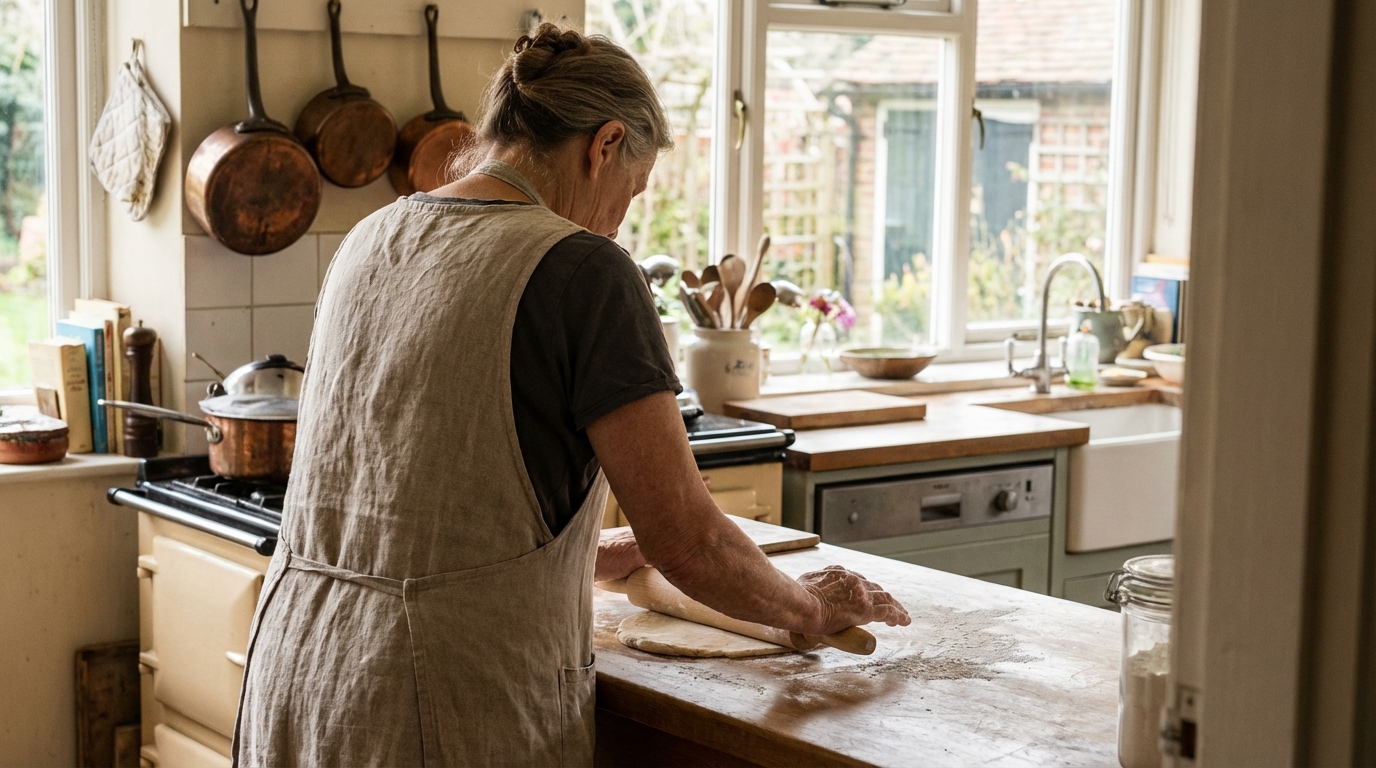
Cooking grows steadier and more confident when the same dishes are made again and again. This may seem simple, but there is quiet depth in repetition. Familiar meals turn the kitchen into a place of understanding rather than guesswork. Over time, the hands learn what the eyes cannot always measure, and the senses begin to guide decisions without effort. Repetition does not limit creativity. It lays a foundation strong enough to support it.
In many homes, the most reliable meals are not the newest ones. They are the dishes prepared so often that the steps feel natural. These meals are not rushed. They unfold with a rhythm shaped by experience. Repetition allows mistakes to be corrected gently, without pressure, because the cook knows there will be another chance tomorrow or next week.
Familiar Dishes Create a Sense of Calm
Cooking can be stressful when every meal feels like a test. New recipes often bring uncertainty: unfamiliar timing, unclear textures, and flavors that are hard to predict. Repeating a familiar dish removes much of that strain. The mind relaxes because the outcome is known. This calm is not just emotional. It allows better focus.
When the mind is not busy worrying about what comes next, attention shifts to smaller details. A cook notices how onions soften at different speeds depending on the pan. The sound of simmering becomes a signal rather than background noise. These observations are difficult to make when following a recipe for the first time.
Calm also encourages patience. Instead of rushing to finish, the cook allows the food to take the time it needs. Sauces thicken slowly. Dough rests long enough. These moments are often skipped when nerves are high. Familiarity makes space for them.
Repetition Builds Trust in the Senses
Written recipes rely heavily on measurements and times, but real cooking depends on sight, smell, sound, and touch. These senses improve through repetition. Making the same soup each week teaches how the broth should look when it is ready. The nose learns when garlic is fragrant rather than raw. The ears recognize the gentle bubble of a proper simmer.
This sensory trust develops gradually. At first, the cook checks the clock often. Over time, the clock matters less. The food gives clearer signals. This does not happen by accident. It happens because the same process has been observed many times under slightly different conditions.
Heat varies from stove to stove. Ingredients change with the season. Repeating a dish teaches how to adjust. A familiar stew might need less water on a humid day or a longer simmer when vegetables are older. These adjustments cannot be fully written down. They are learned through doing.
Muscle Memory Reduces Effort
Hands remember patterns. When a task is repeated, movements become smoother and require less thought. Chopping vegetables becomes faster and safer. Stirring feels natural rather than awkward. Even small actions, like reaching for the right utensil, happen without pause.
This reduction in effort matters. When basic tasks no longer demand full attention, mental space opens for observation and care. The cook can notice when something needs a small change. A pinch of salt is added at the right moment, not after the dish is finished.
Muscle memory also reduces fatigue. Cooking the same meal no longer feels like work. It becomes part of the day, like folding laundry or watering plants. This ease encourages consistency, which further strengthens skill.
Understanding Ingredients Through Use
Ingredients behave differently depending on how they are treated. Repetition reveals these behaviors. Cooking the same rice dish teaches how different grains absorb water. Making the same bread shows how flour reacts to humidity. These lessons are subtle and easy to miss when recipes change often.
Using the same ingredients repeatedly also teaches respect for their limits. Some vegetables lose flavor when overcooked. Others need time to soften. A familiar dish highlights these truths because the cook knows how it should taste when done well.
This understanding reduces waste. When ingredients are known, they are handled with care. Scraps are used wisely. Portions are adjusted. The kitchen becomes more efficient without effort.
Repetition Encourages Thoughtful Timing
Timing is one of the hardest skills to learn in cooking. It is not just about minutes. It is about sequence. Repeating a dish clarifies the order of steps. The cook learns when to start the water, when to heat the pan, and when to prepare the garnish.
This sense of timing extends beyond the stove. A familiar meal fits smoothly into the day. The cook knows how long it will take and can plan accordingly. This reduces last-minute stress and allows meals to be prepared with care rather than haste.
Over time, timing becomes flexible. If something unexpected happens, adjustments are made calmly. The cook knows which steps can wait and which cannot. This confidence comes from repetition, not from reading instructions.
Small Adjustments Lead to Better Results
When a dish is repeated, small changes can be tested. One week, the heat is lowered slightly. Another week, the seasoning is added earlier. These experiments are low risk because the base is familiar.
Each adjustment teaches something. Perhaps the sauce tastes richer when cooked longer at a lower temperature. Maybe the vegetables keep their color when added later. These discoveries are personal and specific to the kitchen and ingredients used.
Over time, the dish improves. Not in dramatic leaps, but in steady refinement. The cook feels this progress even if it is hard to explain. The meal simply feels right.
Repetition Builds Confidence Without Pressure
Confidence in cooking does not come from complexity. It comes from reliability. Knowing that a meal will turn out well brings quiet assurance. This confidence is gentle. It does not demand attention.
Repeated success also softens the impact of mistakes. When a familiar dish goes wrong, it is easier to identify why. The cook knows what is different this time. This turns errors into lessons rather than discouragement.
Confidence built this way is lasting. It does not depend on praise or novelty. It rests on experience.
Familiar Meals Support Daily Routines
Home life runs on rhythm. Meals anchor the day. Repeating certain dishes creates dependable points in the week. This steadiness supports both the cook and those who share the table.
When meals are predictable, shopping becomes simpler. Ingredients are on hand. There is less need for last-minute decisions. This reduces mental strain and makes cooking feel manageable even on busy days.
Routines also allow room for care. A familiar meal can be prepared while attending to other tasks. The cook knows when it needs attention and when it can be left alone briefly. This balance is learned through repetition.
Learning Deeply Instead of Broadly
Trying many recipes can be enjoyable, but it often spreads attention thin. Repetition allows deeper learning. Instead of skimming many techniques, the cook explores a few thoroughly.
This depth reveals connections. A repeated braise teaches principles that apply to other dishes: gentle heat, moisture control, and patience. These lessons transfer naturally without effort.
Learning deeply also builds respect for simple food. Ordinary ingredients show their potential when handled with understanding. This appreciation grows with familiarity.
Repetition Teaches When to Stop
One of the quiet skills in cooking is knowing when enough is enough. Overworking dough, over-stirring a sauce, or over-seasoning a dish can undo good work. Repetition teaches restraint.
By making the same dish often, the cook learns the point at which further effort no longer improves the result. This knowledge saves time and preserves quality.
Knowing when to stop also reduces anxiety. The cook trusts that the dish will finish well without constant intervention.
Consistency Makes Space for Care
When the basics are known, attention can turn to care. Plates are warmed. Vegetables are cut evenly. The table is set with intention. These details matter because the cook is not overwhelmed.
Care is not about perfection. It is about presence. Repetition makes presence possible by removing uncertainty.
This care is felt in the meal. It shows in the way food is served and shared.
Repetition Respects the Pace of Learning
Skill develops at its own speed. Repetition honors this. There is no rush to master everything at once. Each meal builds quietly on the last.
This pace is sustainable. It fits into daily life without strain. Cooking becomes a steady practice rather than a challenge.
Over time, the cook looks back and realizes how much has been learned, not through effort, but through steady repetition.
When Repetition Works Best
Repetition is most effective with dishes that are cooked regularly and enjoyed often. These might be simple meals made from affordable ingredients. The goal is not to impress, but to nourish.
It works best when attention is given to the process, not just the result. Even small observations matter. The way oil shimmers in the pan. The smell that signals readiness.
Repetition is less helpful when done without attention. Making the same dish mindlessly can lead to stagnation. The key is gentle awareness.
Allowing Familiarity to Grow Naturally
There is no need to force repetition. It grows naturally when a dish fits the household. When ingredients are easy to find and the steps suit the day, repetition follows.
Allowing this familiarity to develop brings comfort. The kitchen becomes a place of understanding rather than instruction.
In this way, repetition improves cooking skills not through ambition, but through care, patience, and steady practice woven into everyday life.