
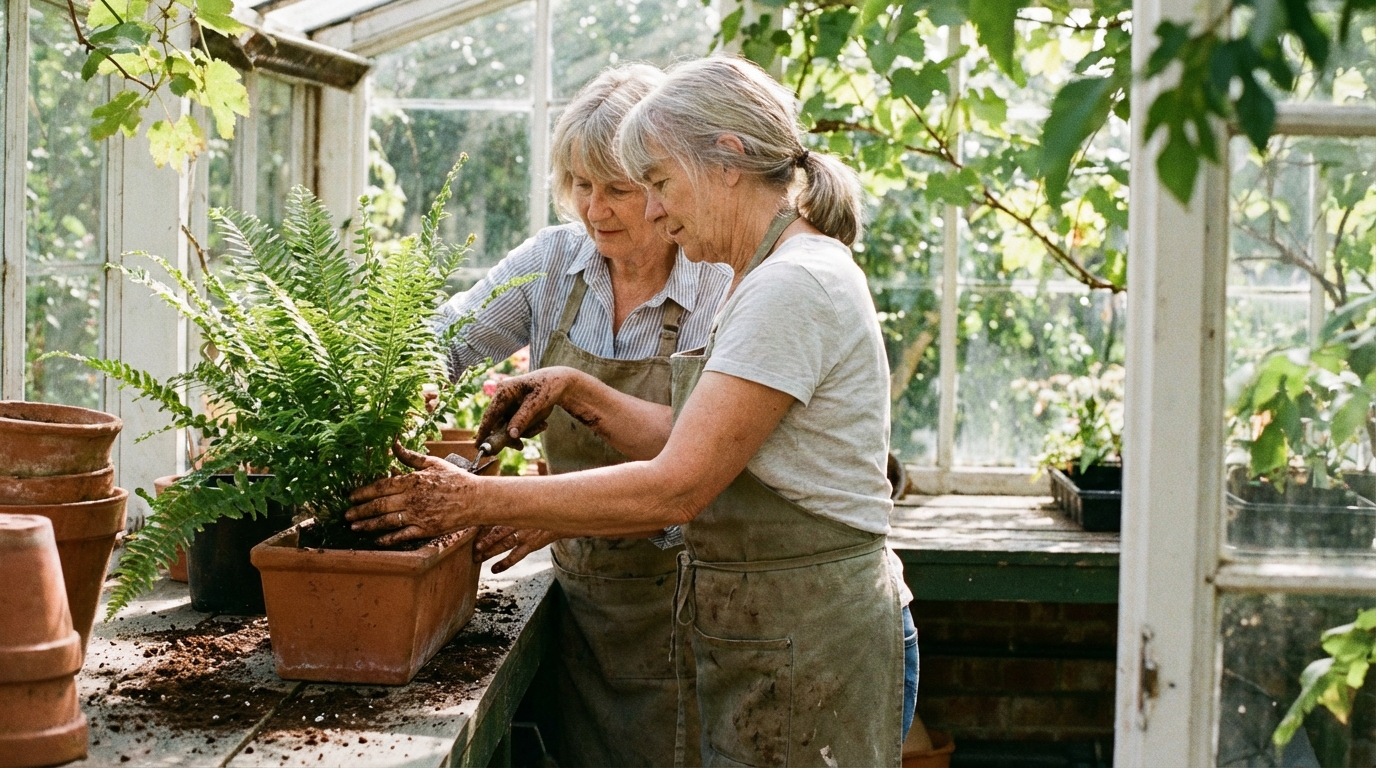
In many homes, the strongest moments of connection do not happen during planned talks or special events. They happen quietly, while hands are busy and attention is shared on something simple and ordinary. Folding towels together, washing vegetables at the sink, or sweeping the floor side by side can create a sense of closeness that feels steady and real. These moments often pass without much notice, yet they shape how people feel together over time.
Shared tasks create a kind of calm companionship. There is no pressure to speak, perform, or explain. The work itself gives structure, and the rhythm of it allows people to relax into the same space. This article explores how working side by side builds quiet connection, why it works so well in everyday home life, and how simple routines can support stronger bonds without forcing conversation.
The Comfort of Doing Something Useful Together
Most daily tasks around the home are repetitive and familiar. Dishes need washing, floors need sweeping, meals need preparing. When two or more people take part in these tasks together, the activity becomes a shared experience rather than a burden placed on one person.
Doing something useful together removes the feeling of being watched or judged. The focus stays on the task, not on personal performance. This lowers tension and allows people to be more at ease. There is comfort in knowing that everyone is contributing in their own way, even if the work is small.
Shared usefulness also builds quiet respect. When people see each other showing care for the home, it creates trust. The work itself becomes a form of communication, saying that the space and the people in it matter.
This kind of connection does not rely on words. It relies on presence, attention, and shared effort. Over time, these small moments add up and shape how people feel about being together.
Why Silence Often Feels Safer Than Talk
Conversation can sometimes feel demanding. It requires choosing words, explaining thoughts, and responding quickly. Not everyone feels comfortable with this, especially during stressful or tired moments. Silence during shared tasks offers another way to be close without those demands.
When hands are busy, the mind can relax. There is less pressure to fill the space with talk. This makes room for a calm awareness of each other’s presence. The sound of water running, dishes clinking, or fabric being folded provides a gentle background that replaces the need for words.
This kind of silence feels safe because it is purposeful. The task gives direction, so the silence does not feel awkward or empty. It feels settled and natural.
Over time, people learn that being together does not always require conversation. This understanding can ease tension and make the home feel more peaceful.
Rhythm and Repetition Create Stability
Many shared tasks follow a predictable rhythm. Folding laundry, chopping vegetables, or raking leaves all involve repeated motions. When people move in similar rhythms, it creates a sense of alignment.
This alignment is subtle but powerful. The body responds to rhythm by settling down. Breathing slows, movements become smoother, and attention stays focused. When two people share this rhythm, they often feel more connected without realizing why.
Repetition also builds familiarity. Doing the same task together week after week creates a shared history. Even if nothing memorable seems to happen, the routine itself becomes a quiet marker of togetherness.
Stability grows from these repeated moments. The home starts to feel like a place where things are handled together, not alone.
Shared Tasks Reduce Pressure and Expectations
When people sit face to face with the goal of talking, expectations can rise. There may be pressure to resolve issues, share feelings, or make decisions. While these conversations are sometimes necessary, they can also feel heavy.
Shared tasks remove much of this pressure. The purpose is clear and practical. There is no requirement to reach an emotional outcome. This makes it easier for people to relax and be themselves.
Often, meaningful thoughts surface naturally during these moments. A comment about the task may turn into a small personal sharing, then drift back to silence. This gentle flow feels less forced and more honest.
Even when no personal talk happens at all, the time still matters. The absence of pressure allows trust to grow quietly.
Everyday Examples of Quiet Connection
Washing Dishes Together
One person washes while another dries. The task moves steadily, with little need for discussion. The warm water, the simple motions, and the shared goal create a calm environment.
This works especially well at the end of the day, when energy is low. The task keeps hands busy while allowing the mind to rest. A few words may be exchanged, or none at all. Either way, the shared effort signals care and cooperation.
It may not work as well if there is tension about how the task should be done. In those moments, it helps to focus on completion rather than perfection. Allowing small differences in method keeps the task peaceful.
Folding Laundry Side by Side
Folding laundry is slow and repetitive. Doing it together turns a solitary chore into shared time. Sitting at the same table or on the same couch creates physical closeness without the need for eye contact.
The softness of the fabric and the steady pace encourage calm. This is often a moment when quiet thoughts can surface, or when a light comment feels easy to share.
If one person prefers a different folding style, it helps to accept those differences. The goal is not uniformity but shared presence.
Cooking Simple Meals Together
Preparing food offers many small tasks that can be divided naturally. One person washes vegetables while another chops. One stirs while another sets the table.
Cooking together works well because it involves all the senses. Smells, sounds, and textures create a rich environment that draws attention outward. This reduces self-consciousness and supports relaxed interaction.
It is most effective when the meal is simple. Complex recipes can introduce stress. Familiar dishes allow the focus to stay on togetherness rather than instructions.
Outdoor Work and Care
Tasks like gardening, sweeping a porch, or tending to a yard offer shared movement and fresh air. Working outdoors often encourages natural pauses, such as standing back to look at progress.
These tasks can be especially grounding. The physical effort and connection to the environment help release tension. Working side by side without facing each other makes silence feel natural.
Outdoor tasks may not suit everyone or every season, but when conditions allow, they provide a strong sense of shared accomplishment.
Why Side-by-Side Feels Different Than Face-to-Face
Side-by-side positioning reduces the intensity of interaction. There is less direct focus on facial expressions and reactions. This can make people feel less exposed.
When attention is shared on an external task, it creates a sense of partnership. Both people are oriented toward the same goal, rather than toward each other’s responses.
This arrangement often feels safer for those who struggle with direct conversation. It allows connection without the feeling of being examined.
In a home setting, side-by-side work supports cooperation and mutual respect. It reinforces the idea that people are working together, not against each other.
How Small Tasks Build Long-Term Trust
Trust does not form only through deep talks or major events. It forms through repeated experiences of reliability and care. Shared tasks provide many opportunities for this.
When people show up consistently to do small jobs together, it sends a message of dependability. Over time, this builds confidence in the relationship.
Even minor tasks, like taking out the trash together or straightening a room, contribute to this sense of trust. The key is regularity, not importance.
These moments teach that support is available, even in ordinary situations. This understanding strengthens bonds quietly and steadily.
When Shared Tasks Do Not Feel Connecting
Not every shared task creates closeness. Sometimes, tension or resentment can interfere. This often happens when tasks are unevenly distributed or when expectations are unclear.
If one person feels they are carrying most of the responsibility, shared work can feel forced. In these cases, connection is blocked by frustration.
It helps to choose tasks that feel balanced and manageable. Starting with small, low-pressure jobs can rebuild a sense of fairness.
Another challenge arises when one person corrects or criticizes the other during the task. This shifts the focus from cooperation to control. Allowing different approaches keeps the atmosphere calm.
Creating Space for Quiet Togetherness
Quiet connection does not require special planning. It grows naturally when space is made for shared routines.
This can be as simple as setting aside a regular time for a household task and doing it together. Consistency matters more than duration.
Turning off distractions, such as televisions or phones, helps attention stay on the task and the shared space. The goal is not isolation but presence.
Over time, these moments become familiar and comforting. They create a rhythm that supports connection without effort.
The Role of Patience in Shared Work
Patience is essential for shared tasks to feel connecting. Each person moves at a different pace and brings different habits.
Allowing tasks to unfold without rushing helps maintain calm. Speed often introduces stress, while patience supports cooperation.
This does not mean ignoring responsibilities. It means focusing on steady progress rather than quick completion.
Patience also allows room for silence. There is no need to fill every moment. Trust grows when silence is respected.
How Children Learn Connection Through Shared Tasks
In homes with children, shared tasks offer valuable lessons. Working alongside others teaches cooperation, responsibility, and care.
Children often open up more easily during activities than during direct questioning. The task provides a sense of safety.
Simple jobs, like sorting groceries or wiping surfaces, allow children to feel useful. This builds confidence and belonging.
It is important to keep expectations reasonable. The goal is participation, not perfection. Encouragement matters more than correction.
Quiet Work as a Form of Care
Shared tasks can be a gentle way to offer support during difficult times. When words feel hard to find, working together provides comfort.
Preparing a meal, cleaning a space, or organizing belongings can communicate care without explanation.
This form of support respects emotional boundaries. It allows people to be together without pressure to talk about feelings before they are ready.
The act of showing up and working side by side says enough.
Keeping Shared Tasks Sustainable
For shared tasks to remain connecting, they must feel sustainable. Overloading the schedule or turning routines into obligations can drain their value.
Choosing tasks that fit naturally into daily life helps maintain balance. Short, regular moments are often more effective than long, occasional ones.
Flexibility also matters. Some days, shared work may not be possible or helpful. Allowing for change prevents resentment.
The goal is not to force connection, but to make room for it when it arises naturally.
How Quiet Connection Shapes the Home
Homes are shaped not only by furniture and layout, but by daily interactions. Quiet shared tasks influence the emotional tone of a space.
When people regularly work together, the home feels cooperative and steady. There is a sense that challenges are handled collectively.
This atmosphere supports calm and trust. It makes the home feel like a place of refuge rather than demand.
Over time, these small habits create a lasting sense of belonging.
The Lasting Power of Simple Habits
Simple habits often carry the most weight. Shared tasks, repeated over years, leave a deep impression.
They teach that connection does not always need words. Presence, effort, and patience are enough.
In a world that often values constant communication, quiet work offers another path. It reminds people that being together can be as simple as doing what needs to be done, side by side.