
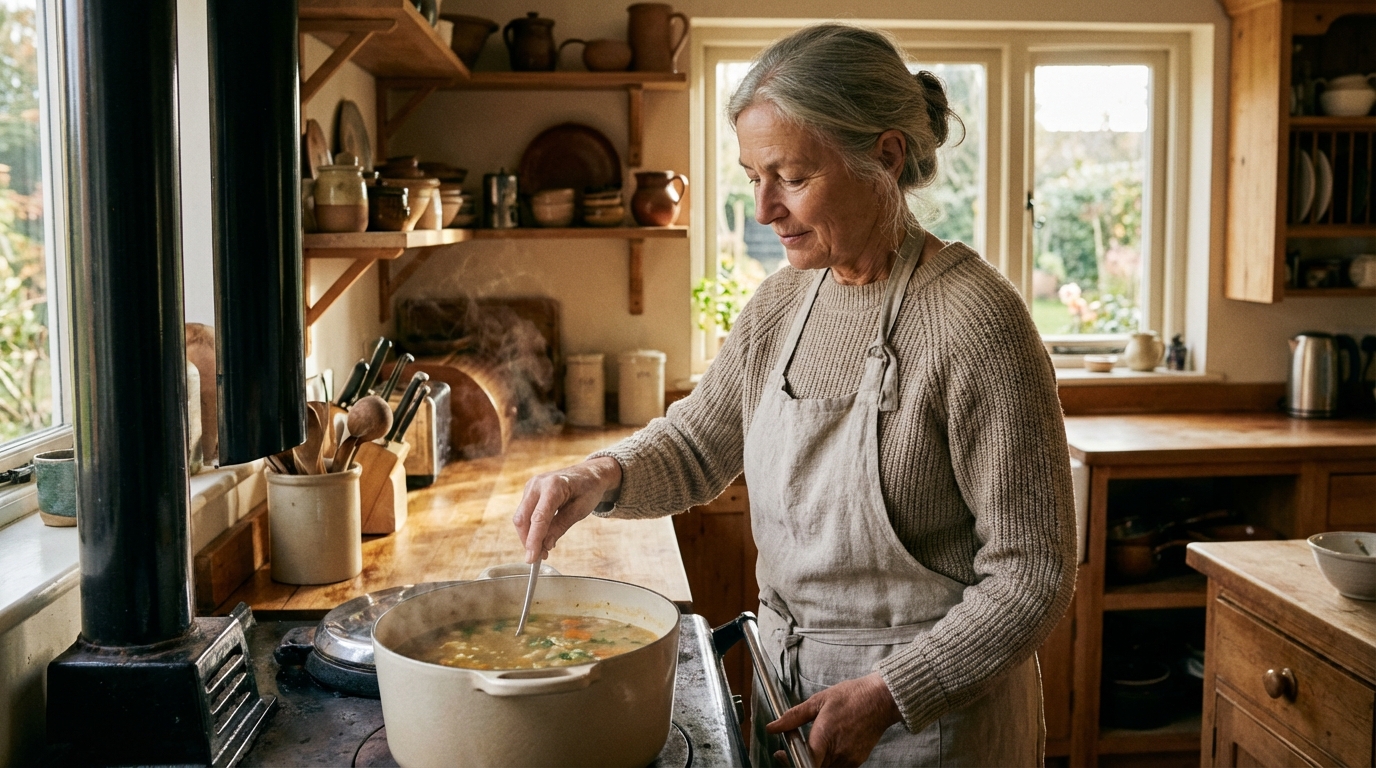
In many homes, the kitchen sets the tone for the day. It is where mornings begin and evenings slow down. When cooking feels predictable and steady, it brings a sense of ease that spreads to the rest of the household. Simple cooking routines are not about limiting creativity or eating the same thing every night. They are about creating a dependable rhythm that supports everyday life, especially on busy or tiring days.
Predictable meal habits work because they reduce the number of decisions that need to be made. They help the body anticipate nourishment and the mind relax into familiar steps. Over time, these routines become quiet helpers, guiding hands through tasks without much thought. Understanding why this works can make it easier to build routines that truly fit a home and its people.
The Comfort of Knowing What Comes Next
One of the main reasons simple cooking routines work so well is that they remove uncertainty. When the question of what to cook comes up at the same time every day, it can quickly become tiring. Even enjoyable choices can feel heavy when they are constant. A routine answers that question before it is even asked.
Knowing what comes next allows the mind to rest. For example, if certain meals are tied to specific days, the planning is already done. Soup on one evening, a baked dish on another, leftovers at the end of the week. This kind of structure does not need to be strict. It simply offers a starting point, which is often all that is needed to move forward calmly.
This predictability also helps with timing. When a meal is familiar, it becomes easier to judge how long it will take. The oven is turned on at the right moment. The table is set without rushing. These small pieces of timing reduce stress in ways that are often not noticed until they are gone.
Why Repetition Makes Cooking Easier Over Time
Repeating the same meals, or the same types of meals, builds quiet skill. Each time a dish is prepared, small adjustments happen naturally. A pinch less salt. A few more minutes in the oven. These changes come from experience, not instruction.
Repetition also builds confidence. When hands know what to do, cooking feels steadier. There is less checking of recipes and less second-guessing. This confidence makes it easier to cook even on days when energy is low.
Over time, repeated meals become flexible. Once the basic method is familiar, it is easy to adjust based on what is on hand. A different vegetable can be added. A sauce can be stretched or thinned. The routine holds, even when the details change.
Muscle Memory in the Kitchen
Cooking routines rely on muscle memory more than many people realize. The body remembers how to chop, stir, and season. This memory reduces effort. It also makes cooking safer, as movements become more controlled and less rushed.
When meals are familiar, the cook can pay attention to other things, such as how food smells or how heat feels. These senses guide better decisions than strict timing alone. This awareness grows with repetition and is a key reason simple routines improve results.
Reducing Daily Decisions Without Losing Choice
Simple cooking routines do not remove choice. They narrow it. Instead of starting from nothing, the routine offers a frame. Within that frame, there is room to adjust.
For example, deciding that a certain night is for simple stovetop meals does not dictate the exact dish. It only sets a boundary. This makes choosing easier without feeling restrictive.
This approach works because it respects human energy. Decision-making uses mental effort. By reducing the number of decisions around meals, that energy can be saved for other parts of life.
How Predictability Supports Appetite and Mood
The body responds well to regular patterns. When meals tend to happen at similar times and follow familiar forms, appetite becomes steadier. Hunger signals are clearer. This reduces snacking driven by uncertainty rather than need.
Regular meal patterns can also steady mood. Knowing that a warm meal is coming at a certain time brings comfort, especially on difficult days. This sense of care is subtle but powerful.
Planning That Grows From the Pantry
Effective cooking routines are built around what is usually kept on hand. This reduces last-minute shopping and makes meals more reliable. When the pantry and refrigerator are stocked with familiar basics, cooking becomes a matter of assembly rather than invention.
Simple routines often rely on a small set of core ingredients. These items appear in many meals, prepared in slightly different ways. This overlap is practical. It reduces waste and makes shopping more predictable.
Knowing how long certain foods last also shapes routines. Root vegetables, grains, and dried beans support steady cooking because they are forgiving. Fresh items can be used earlier in the week, while sturdier foods carry later meals.
Understanding Ingredient Roles
In simple cooking routines, each ingredient has a role. Some provide bulk, some flavor, some nourishment. Understanding these roles helps with substitution when needed.
For instance, if a routine includes a weekly pot of something simmered, the exact vegetables may change, but the method stays the same. This understanding prevents disruption when something is missing.
The Quiet Power of Weekly Patterns
Weekly patterns are one of the most effective forms of routine. They align with shopping habits, work schedules, and energy levels. Over time, the body and mind begin to expect certain meals on certain days.
This expectation creates ease. There is less need to negotiate or rethink. The rhythm carries the household through the week.
These patterns work best when they reflect real life. A day that is often busy benefits from a meal that can be prepared ahead or quickly finished. A slower day can hold a meal that takes more time.
Adjusting Without Breaking the Pattern
Life rarely follows a perfect schedule. Simple cooking routines allow for adjustment without falling apart. If a planned meal does not happen, it can often be moved to another day.
This flexibility is important. A routine should support life, not compete with it. When routines are built on methods rather than fixed outcomes, they can bend without breaking.
Why Simple Methods Matter More Than Recipes
Recipes are helpful, but routines rely more on methods. A method is a way of cooking that can be applied to many ingredients. Roasting, simmering, sautéing, and baking are examples.
When a household relies on a few trusted methods, cooking becomes easier. The same pan can be used. The same temperatures become familiar. This reduces both effort and cleanup.
Methods also teach patience. A simmer cannot be rushed without changing the result. Learning how long something truly takes builds respect for the process.
Learning Through Repetition, Not Perfection
Simple routines encourage learning through doing. Mistakes are part of this process. Because the meals are familiar, a small mistake is easier to notice and correct next time.
This kind of learning is gentle. It does not demand perfection. It simply asks for attention over time.
Cleaning as Part of the Routine, Not a Separate Task
One reason cooking feels stressful is the thought of cleaning afterward. Simple cooking routines address this by building cleaning into the process.
When meals use fewer tools and familiar equipment, cleanup becomes predictable. Washing a pan while food rests or wiping a counter during a simmer reduces the load later.
This habit works because it spreads effort over time. It also keeps the kitchen calm, which supports better cooking.
Choosing Tools That Support Routine
Tools play a quiet role in routines. Using the same knife, pot, or baking dish builds familiarity. This reduces hesitation and improves efficiency.
Too many tools can disrupt routines. When everything has a place and a purpose, the kitchen feels more manageable.
Leftovers as a Planned Part of Cooking
In simple cooking routines, leftovers are expected, not accidental. Cooking a little extra saves time later and provides easy meals when energy is low.
Planning for leftovers means thinking about how food will hold and reheat. Some dishes improve with time, while others are best eaten fresh. Knowing this helps decide what to cook and when.
Leftovers also support variety within routine. A meal cooked one way can be served differently the next day, keeping interest without extra work.
Storing Food With Care
Proper storage is part of the routine. Allowing food to cool before covering, using containers that fit the amount, and labeling when needed all prevent waste.
When leftovers are easy to see and access, they are more likely to be eaten. This small habit supports both the routine and the household budget.
Teaching the Rhythm Through Participation
Cooking routines become stronger when they are shared. Involving others in small tasks helps spread knowledge and responsibility.
Simple routines are easier to teach because they rely on repeated actions. Setting the table, washing vegetables, or stirring a pot at the right time becomes familiar quickly.
This shared rhythm builds understanding. Everyone learns what is needed and when, which reduces tension around meals.
Clear Expectations Create Calm
When routines are consistent, expectations become clear. This clarity reduces reminders and corrections.
Over time, participation becomes natural. The kitchen feels like a place of cooperation rather than instruction.
Seasonal Adjustments That Keep Routines Relevant
While routines are steady, they are not fixed forever. Seasonal changes invite small adjustments that keep meals satisfying.
In cooler months, routines may lean toward longer cooking and warming dishes. In warmer times, quicker methods and lighter meals fit better.
The structure remains the same, but the details shift. This balance keeps routines from feeling stale.
Listening to Appetite and Energy
Seasonal routines work because they respect changes in appetite and energy. Heavier meals may feel right at one time and too much at another.
Adjusting portions and ingredients within the routine keeps it supportive rather than burdensome.
When Simple Routines Stop Working
Even the best routines need reevaluation. If cooking begins to feel heavy or meals are left uneaten, it may be time to adjust.
This does not mean abandoning routine altogether. Often, a small change is enough. A new method, a different sequence, or a shift in timing can restore ease.
Paying attention to what feels difficult helps identify what needs to change. The goal is always support, not control.
Making Changes With Care
Changes work best when they are gradual. Replacing one meal at a time allows the routine to settle.
Observing how the household responds helps guide the next adjustment. This patient approach keeps routines grounded in real life.
The Lasting Value of Simple Cooking Routines
Simple cooking routines work because they align with how people live. They respect limits, build skill over time, and create a steady rhythm that supports daily life.
They are not about strict rules or perfect meals. They are about care, attention, and repetition. These qualities build trust in the kitchen.
When meals follow a familiar path, cooking becomes less of a task and more of a steady presence, quietly supporting the home day after day.