
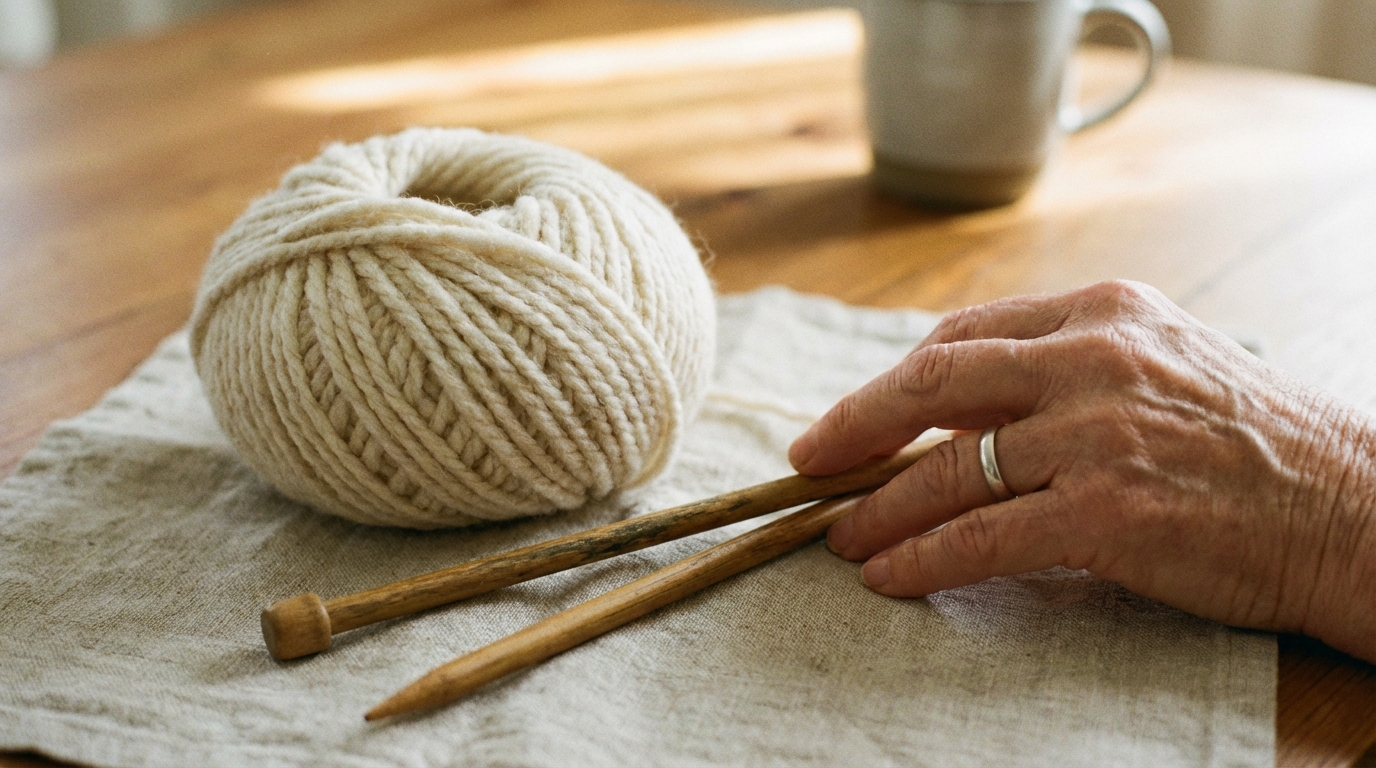
There is a quiet relief that comes from opening a drawer and finding only a few simple materials inside. Paper, string, cloth, wood, metal, and basic tools do not ask for much. They do not demand special storage, constant upgrades, or careful instructions. They wait patiently, ready to be shaped by hands and time. In many homes, these modest supplies have supported daily life for decades, proving again and again that usefulness does not depend on complexity.
Working with simple materials lowers pressure in a way that is hard to explain until it is felt. There is less fear of making mistakes, less worry about waste, and more room to focus on the task itself. When the materials are familiar, the mind relaxes. Attention shifts from managing things to understanding how they behave. This calm attention is where real skill and creativity tend to grow.
Simple Materials Invite Steady Hands and Clear Thinking
When materials are straightforward, the hands learn quickly. Paper tears in predictable ways. Cotton thread pulls tight, then gives slightly before breaking. Wood resists the blade, but not stubbornly. These responses teach without words. Over time, the body remembers how much pressure is needed, how slowly to move, when to stop.
This kind of learning is difficult with complex or highly specialized materials. When instructions are long and tools are delicate, attention is divided. A person spends more time worrying about doing something wrong than observing what is happening. Simple materials remove that distraction. Mistakes still happen, but they feel manageable rather than costly.
There is also a mental ease that comes from knowing replacements are close at hand. A piece of scrap fabric can be cut again. A paper project can be restarted without regret. This freedom encourages experimentation. Instead of aiming for perfection, the focus stays on progress and understanding.
Why Familiar Materials Reduce Pressure
Pressure often comes from the feeling that something is rare, expensive, or difficult to replace. When materials feel precious, every decision carries weight. This can slow work to a standstill. Simple materials, by contrast, carry no such burden. They are common in homes and easy to find.
This familiarity changes behavior in small but important ways. Hands move more freely. Decisions are made more quickly. There is less second-guessing. The work becomes about the process rather than the outcome.
For example, stitching with plain cotton thread on everyday fabric allows for mistakes to be corrected without stress. Knots can be undone. Seams can be resewn. The fabric accepts the needle again without complaint. This teaches patience and problem-solving, not fear of failure.
In contrast, working with delicate or costly materials often leads to hesitation. Every cut feels final. Every mark feels permanent. While such materials have their place, they can block learning when used too early or too often.
Everyday Materials Carry Practical Wisdom
Many basic materials have stayed in use because they solve common problems well. Their continued presence in homes is not an accident. They balance strength, flexibility, and availability in ways that suit daily life.
Take paper, for instance. It can be folded, cut, layered, glued, and written on. It accepts ink, paint, and pencil without argument. It can be thick or thin, smooth or rough. These qualities make it ideal for planning, testing ideas, and practicing skills before moving on to something more permanent.
Cloth behaves differently but offers similar lessons. Natural fibers respond to washing, heat, and tension in ways that can be observed and understood. A cotton cloth shrinks slightly when washed warm. Linen wrinkles but softens with use. Wool stretches, then returns to shape. These behaviors teach respect for materials and encourage care in handling.
Working with these materials builds a quiet knowledge that transfers easily to other tasks. Understanding how cloth drapes helps with arranging a table or hanging curtains. Knowing how paper folds helps with packing, storing, and organizing.
Simple Tools Teach Responsibility
Basic tools often require more attention than modern, automated ones. A hand needle needs to be threaded carefully. Scissors must be kept sharp and clean. A small hammer demands controlled force. These requirements are not inconveniences. They are lessons.
Using simple tools teaches the importance of preparation. Threading a needle in good light prevents eye strain and frustration. Wiping tools clean after use prevents rust and dullness. Putting tools back in the same place saves time later.
These habits spill into other areas of home life. Care given to tools becomes care given to belongings in general. There is a sense of partnership with objects rather than control over them.
Simple tools also make it easier to notice small improvements. Hands become steadier. Cuts become cleaner. Stitches become more even. Progress is visible and satisfying because it comes from skill rather than technology.
Creativity Grows Within Gentle Limits
Too many choices can overwhelm the mind. When materials are limited, creativity often increases. The mind searches for ways to adapt, combine, and repurpose what is available.
A small collection of materials encourages thoughtful planning. Before starting, there is a pause to consider what is needed and what can be adjusted. This pause is not hesitation but reflection.
For example, when working with a single type of paper, attention turns to folding techniques, layering, and surface treatment. When only a few colors of thread are available, patterns become simpler and more intentional. These constraints lead to designs that feel cohesive and considered.
Gentle limits also teach flexibility. If a material behaves differently than expected, the project can change direction. A tear in paper might become a design feature. A knot in wood might suggest a new shape. Learning to adapt rather than resist builds confidence.
Daily Routines Make Simple Materials Powerful
Simple materials show their true value when they are part of daily routines. Small, repeated actions deepen understanding and skill over time.
Setting aside a few minutes each day for a small task can transform both the material and the person using it. Folding cloth neatly after drying keeps it smooth and ready. Sharpening pencils regularly keeps writing pleasant. Storing paper flat prevents curling and damage.
These routines do not require effort so much as attention. They fit naturally into the flow of the day. Over time, they reduce clutter, save time, and prevent frustration.
There is also comfort in predictable tasks. Knowing that tools are ready and materials are in good condition removes small obstacles that can discourage starting a project. When everything has its place, beginning feels easier.
Understanding When Simple Materials Are Enough
Simple materials are well-suited to many tasks, but not all. Knowing when they are enough and when something more is needed is part of practical wisdom.
For learning, testing ideas, and everyday repairs, basic materials often work best. They allow for adjustments and corrections without waste. For long-term or high-stress uses, more durable materials may be necessary.
For instance, paper is excellent for planning a shelf layout or practicing a pattern, but not for holding weight. Cotton thread works well for mending clothing but may not hold heavy upholstery. Recognizing these limits prevents disappointment and damage.
This understanding grows through experience. Trying, observing, and adjusting builds a reliable sense of what each material can handle. Over time, decisions become quicker and more accurate.
The Quiet Economy of Simple Materials
There is an economy to using basic materials that goes beyond cost. It includes time, space, and mental energy.
Simple materials are easier to store. They stack, fold, and fit into small spaces. They do not require special containers or conditions. This makes it easier to keep work areas tidy and ready.
They also save time. Familiar materials require less preparation and fewer instructions. A piece of cloth can be cut and sewn without consulting a manual. Paper can be shaped with basic tools already on hand.
Mentally, simple materials reduce clutter. There are fewer decisions to make, fewer things to remember. This leaves more energy for careful work and enjoyment.
Repair and Reuse Become Natural Habits
Working with simple materials encourages repair rather than replacement. When materials are easy to handle, fixing feels approachable.
A torn seam can be stitched. A cracked wooden handle can be sanded and reinforced. A bent piece of wire can be straightened. These small repairs extend the life of items and build confidence.
Reuse also becomes second nature. Scraps of fabric find new purpose as patches or cleaning cloths. Paper trimmings become notes or kindling. Nothing feels wasted because everything has potential.
This approach fosters respect for materials. Each piece is valued for what it can still offer, not discarded at the first sign of wear.
Simple Materials Encourage Slower, Better Work
There is a natural pace to working with basic materials. They resist rushing. Glue needs time to set. Wood needs to be cut steadily. Stitching requires even motion.
This slower pace improves quality. Mistakes are noticed earlier. Adjustments are made before problems grow. The work feels more intentional.
Slowness also allows for reflection. While hands are busy, the mind has space to think. This often leads to better solutions and a deeper connection to the task.
In a home setting, this pace fits well with daily life. Work can be picked up and set down without trouble. Progress accumulates quietly over time.
Teaching Through Doing, Not Explaining
Simple materials are excellent teachers because they respond immediately to action. They show, rather than tell, what works.
Pull thread too tight, and the fabric puckers. Cut wood against the grain, and it splinters. Fold paper unevenly, and edges misalign. These responses are clear and memorable.
Because the feedback is direct, learning happens naturally. There is no need for lengthy explanations. Observation and adjustment do the work.
This kind of learning builds confidence. Skills feel earned and reliable because they are grounded in experience.
Creating a Calm Work Space With Simple Materials
A calm work space supports good work. Simple materials make it easier to create such a space.
Because they require little equipment, the area stays uncluttered. Tools can be laid out neatly. Materials can be seen at a glance.
Lighting and seating become more important than storage systems. Good light prevents mistakes. A comfortable chair supports longer periods of focus.
When the space feels orderly and welcoming, returning to work becomes a pleasure rather than a chore.
Passing Along Practical Knowledge Through Use
Knowledge tied to simple materials is easy to share because it is practical and visible.
Showing how to thread a needle, fold cloth, or measure wood communicates more than words alone. The materials cooperate, making the lesson clear.
This shared activity builds understanding without pressure. Mistakes can be corrected together. Success is shared.
Such moments strengthen routines and reinforce the value of patience and care.
Simple Materials Support a Thoughtful Home Life
In a home, simple materials support many small tasks that keep life running smoothly.
Paper helps organize thoughts, plans, and lists. Cloth cleans, covers, and comforts. Wood supports, frames, and repairs. String ties, bundles, and secures.
These materials work quietly in the background. They do not draw attention to themselves, but their absence would be felt.
By relying on them, a home stays adaptable. Needs change, and simple materials adjust easily.
Knowing the Character of Each Material
Each material has its own character, and learning it takes time.
Paper varies widely. Some types tear cleanly, others resist. Some absorb moisture, others repel it. Knowing which to use prevents frustration.
Cloth also differs. A tightly woven fabric behaves differently from a loose one. Weight matters. So does fiber content.
Wood grain affects strength and appearance. Cutting with the grain produces smoother edges. Ignoring it leads to roughness.
Paying attention to these details improves results and deepens respect for materials.
Building Confidence Through Small Successes
Simple materials allow for frequent, small successes. Finishing a small project builds confidence to attempt the next one.
These successes are not flashy, but they accumulate. Over time, skills grow steadily.
Because the materials are forgiving, setbacks feel temporary. This encourages persistence.
Confidence built this way feels solid because it rests on experience, not praise.
Why Simple Materials Endure
Simple materials endure because they adapt to changing needs without losing their usefulness.
They do not rely on trends or technology. Their value comes from how they serve daily life.
As long as hands need to make, fix, and care, these materials will remain relevant.
Choosing them is not about limiting possibility but about grounding it in reality.
Living With Less, Doing More
Working with simple materials often leads to owning fewer things but using them more fully.
Each item earns its place through repeated use. Nothing sits unused for long.
This creates a sense of order and purpose. Belongings feel supportive rather than burdensome.
Life becomes easier when tools and materials are familiar and reliable.
Patience as a Natural Outcome
Patience grows naturally when working with materials that require time and attention.
Waiting for glue to dry or finish to set teaches respect for process.
Rushing rarely improves results. Simple materials make this clear.
Over time, patience becomes a habit, extending beyond the work itself.
Care as a Daily Practice
Caring for simple materials is straightforward but meaningful.
Cleaning tools after use, storing materials properly, and repairing damage promptly keep everything ready.
These small acts of care prevent larger problems.
They also reinforce a sense of responsibility and pride in the home.
Staying Grounded Through Hands-On Work
Hands-on work with simple materials keeps attention grounded.
The senses engage fully. Texture, weight, and resistance are felt.
This presence can be calming, especially during busy days.
The work becomes a steady anchor, offering both usefulness and quiet satisfaction.