
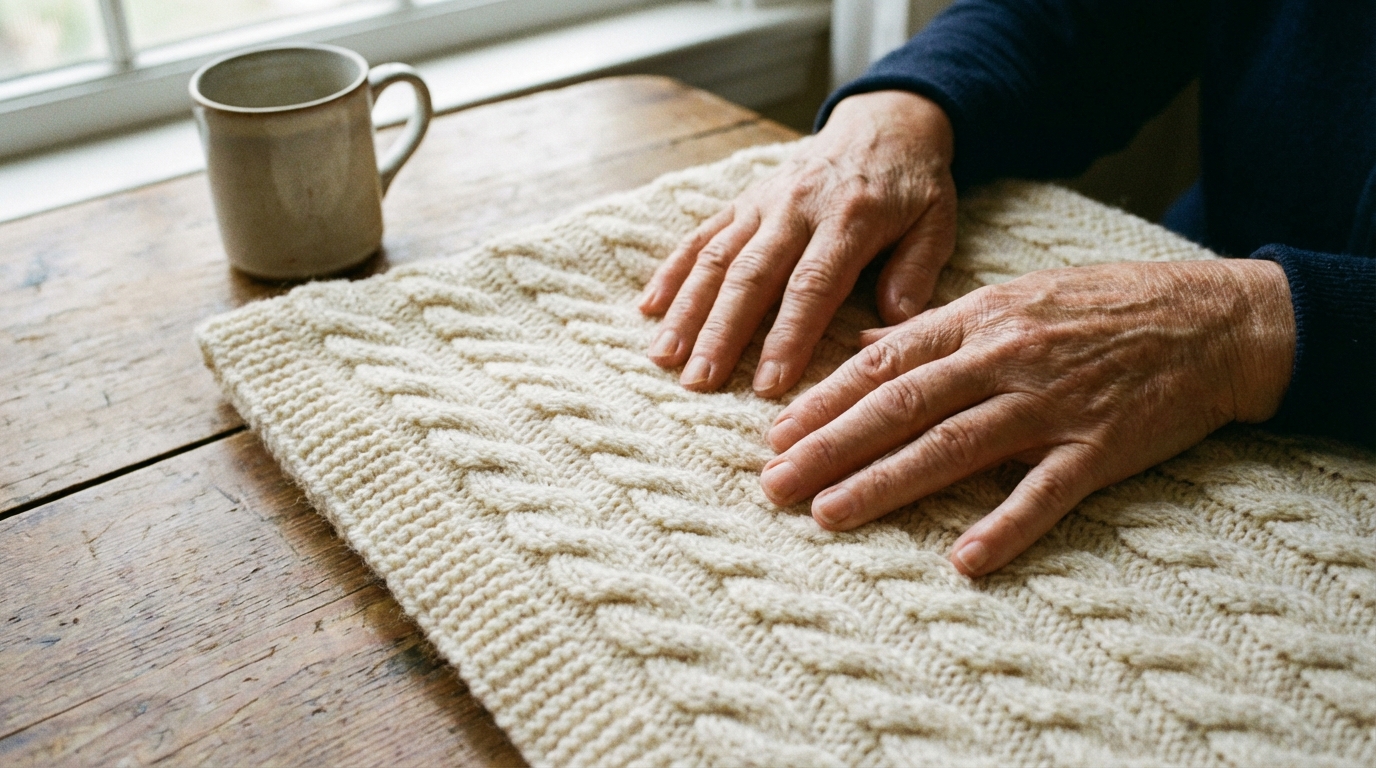
Simple patterns have a way of settling the mind and steadying the hands. They appear in everyday objects, in familiar routines, and in the small choices made while working with materials at home. A repeated shape in a quilt, the steady rhythm of stitches in a scarf, or the even spacing of tiles on a floor can bring a quiet sense of order. This feeling does not come from decoration alone. It comes from the way simple patterns support focus, predictability, and a gentle pace.
In handcraft, uncomplicated designs have long been valued not because they are plain, but because they work with the natural habits of attention and care. They allow space for patience. They reduce unnecessary decisions. They invite consistency, which often leads to better results and deeper satisfaction.
The Comfort of Recognizable Order
At home, order does not need to be strict to be effective. A simple pattern offers a recognizable structure that the mind can follow without effort. When the eyes know what to expect, the body relaxes. This is why repeating forms and steady rhythms feel calming rather than boring.
In handcraft, this order shows up in familiar sequences. Knit and purl stitches repeat. Patchwork blocks follow a measured layout. Baskets are woven with the same motion over and over. These patterns create a sense of direction. There is always a next step, and it looks much like the one before.
This predictability reduces mental strain. Instead of constantly checking instructions or making design decisions, attention can shift to touch, tension, and timing. The hands learn the work, and the mind rests into the process.
Why the Mind Responds to Repetition
Repetition allows the brain to move from problem-solving to recognition. Early in a project, each step requires thought. Once a pattern repeats, the brain starts to anticipate what comes next. This anticipation is gentle and reassuring.
In daily life, similar effects can be seen in routines like setting the table the same way each evening or folding towels in a familiar order. These actions do not demand creativity, yet they provide a sense of completion. The mind enjoys finishing a known sequence.
Simple patterns work because they balance engagement and ease. They are not so complex that they cause strain, and not so empty that they feel meaningless. This balance is especially important in handcraft, where the goal is often steady progress rather than speed.
Patterns as Quiet Guides for the Hands
In many crafts, simple patterns act as guides rather than strict rules. They offer a framework that supports consistency while allowing small adjustments along the way. This is one reason they remain useful across different materials and skill levels.
A straightforward sewing pattern, for example, teaches seam allowance, grain direction, and symmetry. These fundamentals apply whether the fabric is cotton or linen, new or reused. Once learned, the pattern becomes a reference point that helps with future projects.
In woodworking, repeated measurements and mirrored cuts help maintain balance. A basic stool or shelf relies on even spacing and matching angles. These patterns ensure stability, both in appearance and function.
When Simplicity Prevents Mistakes
Complex designs leave little room for error. One small misstep can affect the entire piece. Simple patterns, by contrast, are forgiving. If a stitch is slightly uneven or a cut is not perfect, the repetition absorbs the flaw.
This forgiveness encourages patience. There is less pressure to rush or to fix every small imperfection. Over time, this builds confidence and skill. The maker learns to correct gently, rather than starting over.
In practical terms, this means fewer unfinished projects and less frustration. A simple pattern is more likely to be completed, used, and appreciated.
The Role of Rhythm in Handcraft
Rhythm is a natural partner to pattern. When an action repeats at a steady pace, it creates a physical rhythm that can be felt in the body. This rhythm supports focus and reduces distraction.
Consider the motion of winding yarn, sanding a surface, or braiding fibers. Each movement follows the last. Over time, the body settles into a pace that feels comfortable. This pace is often slower than expected, but it is steady.
Simple patterns encourage this rhythm by removing interruptions. There are fewer changes to track and fewer decisions to make. The hands move, the material responds, and progress becomes visible.
How Rhythm Supports Careful Work
When rhythm is established, attention shifts to small details. Tension in a thread, pressure on a tool, or alignment of edges becomes easier to notice. These details are often missed when working quickly or switching steps frequently.
This careful attention improves quality. Stitches become more even. Surfaces feel smoother. Finished pieces last longer because they were made with consistent care.
Rhythm also supports endurance. Long projects become manageable when broken into repeated actions. A large quilt is simply many small squares sewn together. A rug is one row at a time. The pattern makes the scale feel approachable.
Simple Patterns and Everyday Use
Handcrafted items are often made for daily use. Simple patterns tend to suit this purpose well. They are easy to maintain, easy to repair, and easy to live with.
A plain woven towel dries evenly and wears slowly. A basic ceramic bowl stacks well and fits many uses. A quilt with repeating blocks can be folded and stored without concern for matching delicate details.
These designs age gracefully. Because they are not tied to specific decoration, they remain useful even as tastes shift. Their value comes from function and familiarity rather than novelty.
Maintenance Becomes Part of the Pattern
Simple patterns make care straightforward. When a design is uncomplicated, cleaning and repair follow clear steps. A torn seam can be restitched along the same line. A chipped glaze is noticeable but does not disrupt an intricate image.
This encourages ongoing care. Items that are easy to maintain are more likely to be kept in use. Over time, this creates a deeper connection to the object and the work that went into it.
In this way, simple patterns support sustainability through use rather than through intention. Objects stay in the home because they continue to serve well.
Learning Through Repetition
Simple patterns are powerful teachers. They allow skills to develop gradually through repetition. Each repeat reinforces technique and builds muscle memory.
In knitting, a basic scarf teaches tension control and edge consistency. In sewing, straight seams teach guiding fabric and maintaining speed. These skills form the foundation for more complex work.
Because the pattern remains the same, improvements are easy to notice. The maker can see how stitches become neater or seams more even. This visible progress is satisfying and motivating.
Why Mastery Begins with the Familiar
Mastery does not come from complexity alone. It comes from understanding how materials behave and how tools respond. Simple patterns provide a controlled environment for this learning.
When variables are limited, cause and effect become clear. A change in needle size, thread type, or hand pressure shows up immediately in the work. This clarity helps build practical knowledge.
Over time, this knowledge supports confident adjustments. The maker knows when to follow the pattern closely and when a small change will improve the result.
The Quiet Pleasure of Completion
Finishing a project brings a particular kind of satisfaction. Simple patterns increase the likelihood of reaching this point. They set realistic expectations and manageable steps.
Each completed section offers a sense of progress. This steady movement toward an end point keeps motivation steady. There is less temptation to abandon the work due to confusion or overwhelm.
The finished piece reflects the time and care invested, without drawing attention to complexity. Its value is felt in use and in the memory of making it.
Completion Without Hurry
Simple patterns allow work to proceed at a comfortable pace. There is no need to rush to keep track of complicated instructions. The process itself becomes enjoyable.
This approach respects the natural rhythm of home life. Work can be set down and picked up again without losing direction. The pattern remains clear even after a pause.
This flexibility supports consistency. Small amounts of time add up, and projects move forward without strain.
Patterns in the Home Environment
The influence of simple patterns extends beyond handcraft. They shape the feel of the home itself. Repeated shapes, colors, and arrangements create a sense of unity.
Consider shelves arranged with even spacing, or floor tiles laid in a straightforward grid. These patterns guide movement and make spaces easier to navigate.
In textiles, repeated stripes or checks provide visual rest. They do not demand attention, yet they add warmth and texture.
Why Simple Patterns Feel Timeless
Timelessness comes from reliability. Simple patterns have been used across many settings because they solve practical problems. They fit materials efficiently and support durability.
They also adapt easily. A basic pattern can be scaled up or down, combined with others, or used in different colors. This flexibility keeps it relevant.
In the home, this means fewer items feel out of place over time. The overall environment remains steady and welcoming.
When Simple Patterns Are Not Enough
There are times when complexity serves a purpose. Decorative pieces meant for display may benefit from intricate detail. Skill-building projects may require new challenges.
However, even in these cases, simple patterns often form the base. A complex design usually relies on repeated elements arranged in a thoughtful way.
Understanding simple patterns makes it easier to approach more detailed work. The foundation provides stability and confidence.
Choosing Simplicity with Intention
Choosing a simple pattern does not mean avoiding creativity. It means selecting a structure that supports the purpose of the project.
For items meant for daily use, simplicity often leads to better results. For learning and practice, it allows focus on technique.
When complexity is added, it can be done thoughtfully, building on what is already familiar.
The Lasting Satisfaction of the Familiar
Simple patterns offer a kind of satisfaction that grows over time. They become familiar companions in daily routines. Their presence is steady rather than demanding.
This familiarity supports calm. It allows attention to rest and hands to work with confidence. In a world full of constant change, these patterns provide a sense of continuity.
In handcraft and home life, this continuity is deeply practical. It supports care, patience, and the quiet pleasure of making and using things well.